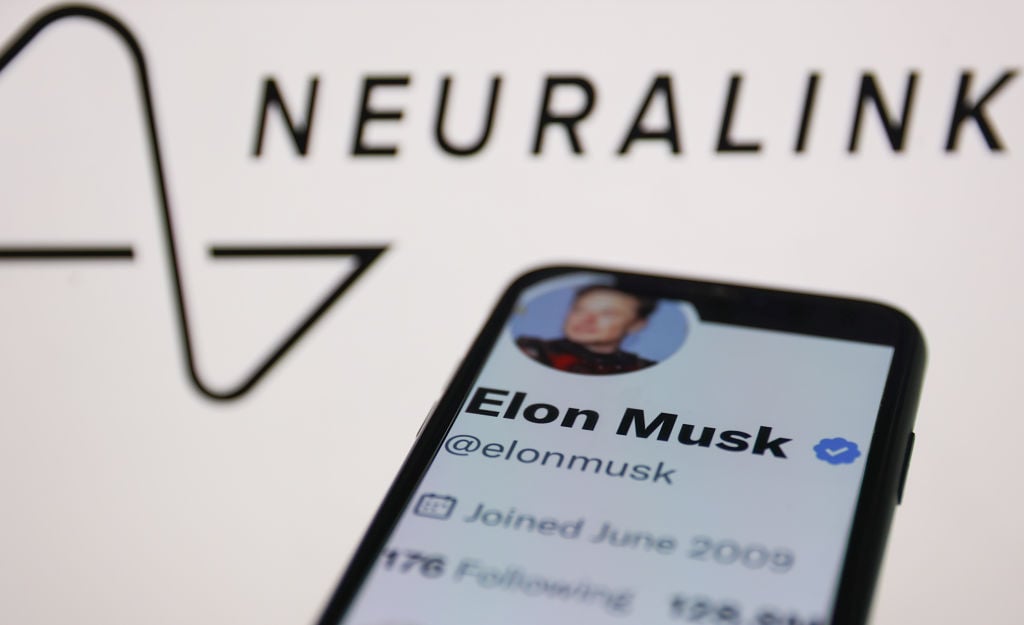
Elon Musk’s Neuralink is shifting into high gear for 2026 as the company’s co-founder touts changes to the brain-computer interface devices’ production.
Writing on his social media platform X, Musk said: “Neuralink will start high-volume production of brain-computer interface devices and move to a streamlined, almost entirely automated surgical procedure in 2026.”
He added in the Dec. 31 post that the “device threads will go through the dura, without the need to remove it,” and that this “is a big deal.”
The company’s brain-computer interface (BCI) technology is designed to give paralyzed patients the ability to control digital devices using only their minds.
Previously described by Musk as a potential “Fitbit in your skull,” the device includes a chip that replaces a small piece of bone and is connected to the brain via a series of thin, threaded electrodes. The company’s N1 implant includes 1,024 electrodes distributed among 64 threads, according to the company’s website.
After rejecting a previous request, the FDA gave Neuralink the green light to begin human clinical trials several years ago.
Related
Since then, the company raised a major $650 million series E round in June last year, while also announcing in September that it had up to that date implanted its device in 12 patients.
The first person who had the device implanted was 29-year-old quadriplegic patient Noland Arbaugh, who starting using Neuralink’s device at the start of last year.
A diving accident had dislocated the vertebrae in his neck, leaving him paralyzed from the shoulders down for years. After receiving the Neuralink implant in January 2025, he has since used the device to play video games, online chess and other activities.
Arbaugh initially faced issues after his surgery when some of the hair-thin connecting wires laced into the tissue stopped reporting data. In the weeks following the surgery, a number of threads retracted from the brain, resulting in a net decrease in the number of effective electrodes, the company previously reported.