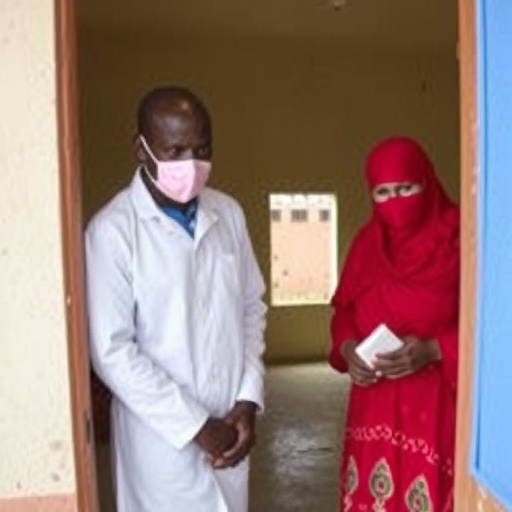
In the wake of public health crises, the ability of health facilities to respond effectively is paramount. A new study by Sserunkuuma et al. delves into the readiness of public health facilities in Southwestern Uganda to prevent, diagnose, and manage the potential eruption of the Ebola virus disease (EVD) in bordering districts. The research, which examines the preparedness of these facilities, arrives amid increasing concerns over the resurgence of Ebola outbreaks in Africa, emphasizing the pressing need for enhanced health infrastructure and training.
The study presents an urgent narrative about the state of healthcare in regions that may be at risk for Ebola. It unfolds the critical aspects that underline the preparedness of health facilities and the overarching strategies necessary to mitigate the catastrophic impact of an outbreak. The researchers collected data from various public health centers, utilizing a mixed-methods approach to garner a comprehensive understanding of the existing capabilities and the gaps that still need to be addressed.
One of the significant findings of the study highlights that despite being on the frontline, many health facilities lack essential medical supplies and trained personnel crucial for dealing with EVD. The report paints a stark picture of healthcare environments that are often under-resourced, which can significantly hinder rapid response efforts. Despite having protocols in place, the variability in compliance and the lack of regular training exacerbate the situation, compromising the potential for effective disease management.
Furthermore, the researchers evaluated the infrastructure of these public health facilities. Many facilities are housed in outdated buildings lacking proper sanitation, which is a major risk factor in preventing the spread of infectious diseases. Not only does this infrastructure present a challenge for treatment, but it also poses a significant barrier to infection control, which is pivotal during an outbreak. The study sheds light on these infrastructural deficits, urging government and health organizations to prioritize investments in renovation and equipping of healthcare facilities.
Training programs for healthcare personnel emerged as another focal point in the research. The lack of regular training in infectious disease management and emergency protocols significantly hampers the capabilities of healthcare workers. Most staff members in the surveyed facilities have not received training on Ebola or other viral hemorrhagic fevers in recent years. This lack of up-to-date knowledge creates a workforce that may be ill-prepared to address the complexities of EVD once it strikes, leading to delays in diagnosis and treatment that could have fatal consequences.
Public awareness campaigns and community engagement also played a vital role in the findings. The study recognized that the community’s understanding of Ebola and its transmission is crucial for effective prevention strategies. Many individuals in the border districts still hold misconceptions about the disease, which can lead to stigma and reluctance in seeking medical help. The researchers advocate for comprehensive public education initiatives to disseminate crucial information and foster an environment where communities feel empowered to take protective measures and seek care.
Another pertinent area the research addresses is the collaboration between health facilities and local government authorities. The study emphasizes that effective communication and cooperation are essential in the event of an outbreak. However, it reported that these partnerships are often fraught with challenges, including bureaucratic red tape and resource misallocation. Strengthening these relationships could greatly enhance rapid response capabilities and resource sharing among different health sectors.
As the authors synthesized their findings, they underscored the need for a systematic framework that integrates surveillance, health systems strengthening, and community participation. Such a framework could serve as a model for ongoing efforts to bolster readiness not just for Ebola but for other infectious diseases that threaten public health. By creating a multifaceted strategy that encompasses different sectors, health facilities can become more resilient and responsive to emerging threats.
The study also highlights the potential role of technology in enhancing readiness. With the advent of telemedicine and digital health platforms, there are innovative approaches to improve healthcare delivery even in underserved regions. Through mobile health applications, healthcare workers can receive real-time updates and training, thus bridging the knowledge gap and ensuring that staff are prepared even in remote locations. This is a crucial advancement that could potentially shift the dynamics of how health sectors operate in crisis situations.
At the regional level, the collaboration with non-governmental organizations (NGOs) and international health bodies became a recurring theme in the study. Many NGOs have played pivotal roles in previous Ebola outbreaks by supporting local health systems. The authors argue that continuing this partnership is essential for the sustainability of health interventions in the area. Knowledge transfer and resource sharing can enhance local capabilities and create a robust support system in times of crisis.
Moreover, the study draws attention to the significance of interdisciplinary research and practice. The complexities of disease outbreaks require insights from various fields including epidemiology, sociology, and public policy. Encouraging interdisciplinary collaboration could lead to more comprehensive solutions and innovations in public health response strategies. Lessons learned from past epidemics need to be shared and implemented across various health sectors and academic institutions to foster a culture of preparedness.
As the research concludes, the authors call upon national and regional governments to tailor their health policies to reflect the findings of this study. It is not merely enough to have plans on paper; practical measures must be implemented in real-world settings to ensure that health facilities can adequately respond when the next outbreak occurs. Long-term investment in health infrastructure, training, and community engagement are essential components to tackle not only the threat of Ebola but also any future public health emergencies.
In an era marked by global connectivity and emerging infectious diseases, the implications of this research extend far beyond Uganda. The lessons learned in Southwestern Uganda about readiness and response can inform public health strategies globally. By fostering a proactive instead of reactive approach, the health systems can be fortified against the vexing threats posed by viral outbreaks, enhancing not only local but global public health security.
This study serves as a potent reminder that the fight against infectious diseases must be a collaborative effort, bridging gaps between communities, health systems, and authorities. Preparedness is not simply a task but a collective responsibility that requires diligent effort, sustained investment, and unwavering commitment from all stakeholders involved in the health sector.
Subject of Research: Readiness of health public facilities to diagnose, manage, and prevent the Ebola epidemic along border districts in Southwestern Uganda
Article Title: Readiness of health public facilities to diagnose, manage, and prevent the Ebola epidemic along border districts in Southwestern Uganda
Article References:
Sserunkuuma, J., Kemigisha, E., Kihumuro, R.B. et al. Readiness of health public facilities to diagnose, manage, and prevent the Ebola epidemic along border districts in Southwestern Uganda.
BMC Health Serv Res (2026). https://doi.org/10.1186/s12913-026-14119-8
Image Credits: AI Generated
DOI: 10.1186/s12913-026-14119-8
Keywords: Ebola, public health facilities, readiness, healthcare response, infectious diseases, Uganda, community engagement.
Tags: Ebola preparedness assessmentenhancing health facility readinessessential medical supplies for Ebolagaps in Ebola response capabilitieshealth facilities in Ugandahealthcare infrastructure in Africamanaging Ebola virus diseasemitigating outbreak impactsmixed methods research in public healthpublic health crisis responseSouthwestern Uganda health centerstraining for healthcare personnel