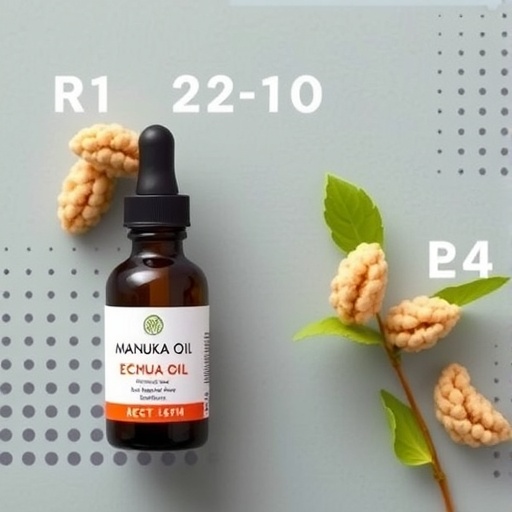
In recent years, the interest in natural remedies for skin conditions has surged, with consumers increasingly seeking out alternatives to traditional pharmaceuticals. Among these promising options is mānuka oil, derived from the nectar of the flowers of the mānuka tree, native to New Zealand. Its anti-inflammatory and antimicrobial properties have attracted the attention of researchers focusing on its potential benefits for skin ailments, particularly eczema. A recent study published in BMC Complementary Medicine and Therapies has presented intriguing findings regarding a product based on mānuka oil, known as ECMT-154™.
Conducted in community pharmacies throughout New Zealand, this randomised controlled trial involved a diverse cohort of participants diagnosed with eczema. The primary aim was to compare the efficacy of the mānuka oil-based ECMT-154™ against a vehicle control, essentially an inert substance that serves as a baseline for comparison. This methodological approach underscores the rigor of the study, which sought not only to assess the clinical outcomes of the treatment but also to gather data that could potentially influence future therapeutic decisions in dermatology.
Eczema, a common and chronic skin condition characterized by itchy, inflamed, and often dry skin, has proven challenging to manage conventionally. The conventional treatments typically involve the use of topical corticosteroids and moisturizers, yet these do not work for everyone and can occasionally lead to adverse effects. This has led to an intensified focus on natural alternatives like mānuka oil, which is believed to possess unique healing properties that could address the root causes of eczema flare-ups.
In this trial, participants were randomized to receive either the mānuka oil formulation or the control, and they were instructed on how to apply the treatments daily. Over the course of the study, the researchers meticulously monitored various parameters, including changes in the severity of eczema symptoms, skin hydration levels, and any adverse reactions to the treatments. This comprehensive evaluation provides a robust framework for understanding the effectiveness and safety of mānuka oil.
Results from the study revealed that those using the mānuka oil formulation experienced a significant reduction in the severity of their eczema symptoms compared to the control group. Participants reported improved skin hydration and a notable decrease in itchiness, which is one of the most distressing symptoms of the condition. Such findings are promising, as they suggest that mānuka oil may not only alleviate symptoms but also improve the overall quality of life for individuals living with eczema.
Furthermore, the study’s design, which incorporated a community pharmacy setting, raises important considerations for practical application in everyday clinical practice. Many patients may prefer receiving treatment recommendations from their local pharmacists, valuing the convenience and accessibility of such services. This trial highlights the potential for integrating natural remedies like mānuka oil into standard dermatological care, fostering a collaborative approach between healthcare providers and the community.
It’s worth noting that the success of mānuka oil in treating eczema aligns with broader trends in consumer healthcare. The rise of the wellness movement, coupled with growing skepticism towards synthetic chemicals in personal care products, has resulted in an influx of interest in plant-based ingredients. Mānuka oil stands at the forefront of this narrative, positioned not just as a remedy for skin issues, but as a symbol of the return to nature in health and wellness.
In depth analysis of the active components in mānuka oil has uncovered a rich tapestry of phytochemicals with potential benefits. These include unique manuka components like methylglyoxal, which are believed to possess significant antibacterial properties. This aspect is particularly important, as secondary infections can exacerbate eczema flare-ups, creating a cycle that is difficult for many patients to break without effective treatment.
As the research landscape evolves, more studies are likely to emerge, further elucidating the mechanisms behind mānuka oil’s effects on skin health. Questions remain regarding the optimal concentrations of active ingredients and the precise mode of action within the skin. This paves the way for future explorations that could refine how this natural treatment is utilized in managing eczema and other skin conditions effectively.
The findings gathered from this trial present an opportunity for practitioners to rethink their treatment paradigms. In an era where patients are increasingly seeking holistic and integrative health solutions, the introduction of natural-based options can enhance therapeutic outcomes. Moreover, it empowers patients by giving them more control over their skincare regimen, a crucial component of long-term management of chronic dermatological conditions.
In conclusion, this trial of mānuka oil-based ECMT-154™ opens new avenues not only for the treatment of eczema but potentially for other inflammatory skin disorders. While further research is essential to solidify these findings and expand our understanding, the initial results are enough to warrant attention and consideration. Natural remedies such as mānuka oil may gradually find their place alongside conventional treatments, representing a shift in how we approach skin health in contemporary medicine.
As we await further studies to validate these results, the implications for the future of eczema management are indeed exciting. This randomized controlled trial serves as a crucial stepping stone in recognizing the potential of natural products in dermatology, further blurring the lines between traditional and modern medical practices. Mānuka oil, with its roots steeped in cultural heritage, may indeed provide a path towards more effective and holistic dermatological care for patients seeking relief from eczema.
Subject of Research: Efficacy of Mānuka Oil in Treating Eczema
Article Title: Randomised controlled trial of mānuka oil-based ECMT-154™ vs. vehicle control for the topical treatment of eczema, conducted in community pharmacies in New Zealand
Article References:
Shortt, G., Bird, G., Shortt, N. et al. Randomised controlled trial of mānuka oil-based ECMT-154™ vs. vehicle control for the topical treatment of eczema, conducted in community pharmacies in New Zealand. BMC Complement Med Ther (2026). https://doi.org/10.1186/s12906-026-05274-w
Image Credits: AI Generated
DOI:
Keywords: Eczema, Mānuka Oil, Natural Remedies, Skin Health, Randomised Controlled Trial
Tags: anti-inflammatory properties of mānuka oilantimicrobial benefits of mānuka oilcomplementary medicine for skin ailmentsECMT-154™ clinical trialseczema management alternativeseczema treatment efficacy comparisonMānuka oil for eczema treatmentnatural alternatives to pharmaceuticalsnatural remedies for skin conditionsNew Zealand natural productsrandomised controlled trial in dermatologyskin health research studies