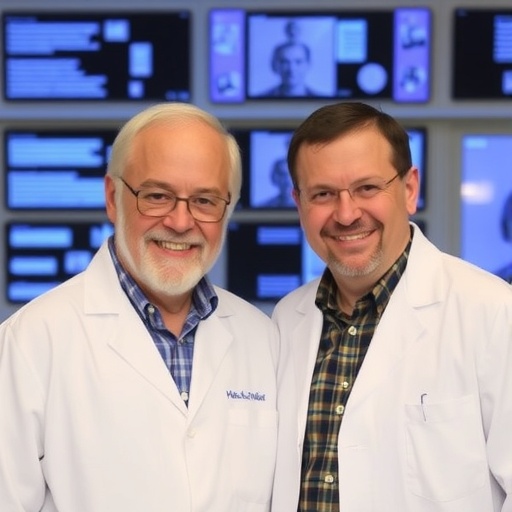
In recent decades, the landscape of cancer treatment has been dramatically reshaped by groundbreaking innovations in immunotherapy, particularly through the development of chimeric antigen receptor T cell (CAR-T) therapies. Two pioneering scientists, Carl H. June and Michel Sadelain, have played seminal roles in this transformation, bridging basic immunological research and clinical application to develop therapies that harness the patient’s own immune system to combat blood cancers such as leukemia. This revolutionary approach has not only set new standards in oncology but also opened doors to treating other diseases with genetically engineered immune cells.
CAR-T cell therapy involves engineering a patient’s T cells, a subset of immune cells responsible for identifying and killing infected or malignant cells, to express synthetic receptors that specifically recognize tumor-associated antigens. This genetic modification endows T cells with the ability to locate and destroy cancer cells that would otherwise evade natural immune surveillance. The method represents a paradigm shift, offering precise, targeted attack mechanisms that minimize the collateral damage commonly associated with chemotherapy and radiation.
Michel Sadelain’s work in the 1990s laid the foundation for this approach by improving the viability and effectiveness of CAR constructs. Building on the initial concept introduced by Zelig Eshhar, who proposed the CAR concept in 1993, Sadelain’s team engineered second-generation CAR-T cells capable of proliferating and maintaining their cancer-killing function in vitro. A landmark 2003 study demonstrated that human CAR-T cells targeting the CD19 antigen eradicated leukemic cells in animal models, establishing a critical proof-of-concept.
Simultaneously, Carl June’s research expanded the clinical horizon by demonstrating that genetically modified T cells could survive long-term in human patients. Initially focusing on AIDS, June showed that engineered T cells could persist within the human body, producing durable immune responses. This persistence was essential for cancer therapy, where eradication requires sustained immune vigilance. These findings catalyzed the initiation of clinical trials using CAR-T cells to treat refractory leukemias.
The clinical successes of these trials surpassed expectations. Notably, June’s 2010 experimental treatment administered CAR-T cells to two late-stage leukemia patients, achieving remarkable results. One patient experienced complete remission with a single infusion and sustained CAR-T cell presence for a decade, illustrating the therapy’s potential for long-term disease control. These outcomes were more compelling than those observed in animal models, reflecting the complex interactions within the human immune system.
Building on these clinical breakthroughs, regulatory authorities recognized CAR-T therapy’s transformative promise. The U.S. Food and Drug Administration approved the first CAR-T treatment in 2017 for pediatric and young adult patients with refractory acute leukemias and certain lymphomas, followed by approval in the European Union. To date, over 50,000 patients worldwide have benefited from these authorized therapies, underscoring their profound impact on hematologic oncology.
Internationally, centers of excellence are advancing CAR-T technologies. In Spain, Manel Juan spearheaded efforts to adapt and implement CAR-T therapies at Hospital Clínic de Barcelona. By integrating academic preclinical research, manufacturing, and clinical application, these initiatives have enhanced accessibility and reduced costs, providing treatment to hundreds of patients. Further, strategies to optimize affordability are under development globally, including approaches that bypass traditional cell extraction by directly delivering CAR-encoding materials into patients, as well as off-the-shelf allogeneic therapies.
Despite successes in blood cancers, CAR-T therapies face significant challenges in treating solid tumors such as breast, colon, pancreatic, and lung cancers. These tumors present a more hostile microenvironment and greater antigenic heterogeneity, making target identification and immune cell infiltration more difficult. Clinical trials in solid tumors have so far produced disappointing results, highlighting the need for novel designs and combinatorial strategies to overcome immunosuppressive tumor niches.
Nonetheless, optimism remains high. Hundreds of laboratories worldwide are intensively investigating improved CAR constructs, multi-target approaches, and combination treatments to surmount the barriers posed by solid tumors. As understanding of tumor biology deepens, the next decade may witness CAR-T therapy conquering a broader spectrum of malignancies, bringing the promise of personalized cellular immunotherapy closer to reality.
Beyond oncology, the versatility of CAR-T cells extends into autoimmune and infectious diseases. By targeting CD19, which is expressed on B cells responsible for antibody production, CAR-T therapies have shown remarkable efficacy in autoimmune disorders such as lupus, where pathogenic antibodies damage host tissues. This application has inspired a wave of clinical studies exploring CAR-T interventions for other autoimmune diseases, including rheumatoid arthritis and multiple sclerosis.
In infectious diseases, CAR-T cell strategies aim to eradicate persistent viral reservoirs. Early treatments in HIV-positive patients demonstrated promise, offering a potential functional cure where antiretroviral therapy only manages chronic infection. Similarly, emerging research explores CAR-T therapies against infections like COVID-19 and non-infectious conditions involving immune dysregulation. These pioneering efforts illustrate the expansive potential of genetically engineered T cells as versatile therapeutic agents.
The innovation brought forth by June and Sadelain represents a watershed moment in medical science, often described as the advent of the first “living drug.” Differentiating from conventional pharmaceuticals requiring repeated administration, CAR-T therapies leverage the patient’s own immune cells, genetically programmed to persist and provide long-term protection. This precision and durability redefine therapeutic paradigms and herald new frontiers in precision medicine.
Carl H. June, a biologist and physician trained at the United States Naval Academy and Baylor College of Medicine, currently directs the Center for Cellular Immunotherapies at the University of Pennsylvania. Michel Sadelain, with medical and immunology training spanning the University of Paris and University of Alberta, leads cancer cell therapy initiatives at Columbia University. Their complementary expertise and pioneering research have collectively transformed the landscape of cancer immunotherapy and reengineered our understanding of immune system capabilities.
As CAR-T technology continues to evolve, the scientific community eagerly anticipates broader applications and enhanced efficacy. With ongoing research addressing cost, accessibility, and therapeutic breadth, CAR-T therapy stands at the forefront of medical innovation, poised to revolutionize treatment not only for cancer patients but for a myriad of conditions where immune modulation holds the key to healing.
Subject of Research: CAR-T cell therapy, cancer immunotherapy, genetic engineering of immune cells
Article Title: Revolutionary Advances in CAR-T Cell Immunotherapy: From Blood Cancers to New Frontiers
News Publication Date: Not specified
Web References: https://mediasvc.eurekalert.org/Api/v1/Multimedia/0f23512c-57ac-49b8-b5ae-7fd6a312e89f/Rendition/low-res/Content/Public
Image Credits: From left to right: Carl H. June (© University of Pennsylvania) and Michel Sadelain
Keywords: Cancer immunology, clinical medicine, immunotherapy, immunogenetics, immune cells, immunology
Tags: cancer treatment innovationsCAR T cell therapy advancementsCarl June achievementschimeric antigen receptor technologyFrontiers of Knowledge Awardgenetically engineered immune cellsimmunological research applicationsleukemia treatment breakthroughsMichel Sadelain contributionsoncology paradigm shiftpatient-specific immunotherapytargeted cancer therapies