A new entrant in the race to shepherd antibodies for Alzheimer’s disease across the blood-brain barrier has emerged. Korsana Biosciences has catapulted out of stealth with $175 million and designs for a 2027 clinical debut.
The newly disclosed funds consist of a $25 million seed round from 2024, when Korsana was founded, and a $150 million series A led by Wellington Management and TCGX alongside others like J.P. Morgan Life Sciences Private Capital, Sanofi Ventures and Foresite Capital, according to a Feb. 18 release.
Headquartered in the Boston area, Korsana is led by Jonathan Violin, Ph.D., an experienced conductor for newly launched biotechs. Violin previously served as founding CEO of Viridian Therapeutics, Dianthus Therapeutics and Quellis Biosciences. Violin is a venture partner at Fairmount, which pitched in for Korsana’s seed round alongside Venrock Healthcare Capital Partners.
Korsana’s lead Alzheimer’s candidate, KRSA-028, was discovered in partnership with Paragon Therapeutics, a protein-engineering specialist that has also spawned a suite of other biotech buds like Apogee Therapeutics, Spyre Therapeutics and Oruka Therapeutics.
Korsana plans to bring KRSA-028 into the clinic in early 2027, with initial safety data reading out in the middle of the year and proof-of-concept evidence that the antibody can eliminate amyloid plaques by the end of the year, Violin told Fierce Biotech in an interview.

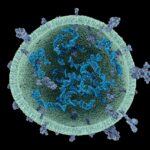
KRSA-028 is designed to cross the blood-brain barrier by binding to transferrin receptors, which normally shuttle iron into the brain. By hijacking this system, Korsana hopes to target amyloid beta, the infamous misshapen protein that forms clumps in Alzheimer’s.
Korsana’s name, in fact, derives from this strategy, Violin said. “Korsa” is the Swedish word for traverse or cross.
“We thought it had a nice story to it and was mellifluous and relatively unique,” the CEO said.
Though Korsana’s name is unique, its approach may sound familiar. That’s because multiple other companies are trying the same thing. Roche is already recruiting for a phase 3 trial of its own transferrin-binding candidate, trontinemab, while AbbVie picked up an asset of its own from the $1.4 billion buyout of Aliada Therapeutics in October 2024.
And, last August, Denali Therapeutics published data showing that its own transferrin-binding antibody was able to clear amyloid plaques in mice without causing dangerous brain bleeding known as amyloid-related imaging abnormalities or ARIA. Denali plans to push its candidate, DNL921, into a phase 1 study in the first half of this year, according to a Jan. 6 release.
ARIA is a well-known risk of first-generation amyloid antibodies like Eli Lilly’s Kisunla (donanemab) and Biogen and Eisai’s Leqembi (lecanemab) as well as now-discontinued Aduhelm (aducanumab).
Related
Candidates like Roche’s trontinemab seem well positioned to solve the ARIA problem as second-generation amyloid antibodies, Violin said. But in addition to binding to transferrin receptors at the blood-brain barrier, trontinemab also attaches to the receptors on the surface of young red blood cells called reticulocytes, he added.
“That can lead to risk of anemia, and we see about a 10% or 20% rate of anemia in the trontinemab clinical trials so far,” Violin said.
Korsana hopes to avert this outcome by paring down the effector function of KRSA-028. This is the part of the molecule that recruits immune cells called macrophages to actually destroy the targeted amyloid beta.
“We wanted to dial down some of the other effector functions,” Violin explained. “We hypothesized that that would spare reticulocytes and then thereby avoid anemia, and our preclinical data shows that we’ve achieved all of those things.”
Denali’s amyloid antibody uses a similar approach, with the company’s chief scientific officer Joe Lewcock, Ph.D., previously telling Fierce that the biotech removed the effector function from one half of the molecule.
While recognizing the similarity between their methods, Violin likes the chances of Korsana’s candidate coming out on top over Denali’s.
“Not to get too much into the details and into the special sauce, but we really like our data,” he said. “It stacks up very well.”
Violin also hopes that KRSA-028 will have an edge in administration, with Korsana aiming for injections instead of the cumbersome intravenous infusions needed for current approved therapies.
Beyond KRSA-028, Korsana is also exploring other Alzheimer’s targets and neurodegenerative diseases, Violin said, but is not ready to disclose any details just yet. The biotech now has 17 full-time employees and still collaborates closely with Paragon Therapeutics, he added, and is also scouting out opportunities for bringing in external assets.
“I think we have a shot at building a truly world-class biotech,” Violin said. “We will build this and plan to run it ourselves for as long as we can.”