Polycystic ovary syndrome (PCOS) remains a pervasive endocrine-metabolic disorder afflicting women globally, presenting a complex spectrum of reproductive, hormonal, and metabolic dysfunctions. Despite its prevalence—estimated between 5% and 18% worldwide—the pathophysiology of PCOS continues to challenge clinicians and researchers alike, primarily due to its multifactorial nature involving insulin resistance, hyperandrogenism, dyslipidemia, and obesity. The intricate interplay between disturbed gut microbiota and systemic metabolic derangements has recently emerged as a pivotal area of investigation, offering promising therapeutic insights. A novel experimental study has illuminated the restorative potential of Akkermansia muciniphila PROBIO (AP), a next-generation probiotic, in reversing PCOS manifestations in a dehydroepiandrosterone (DHEA)-induced rat model, primarily through gut microbiota modulation and enhancement of arginine biosynthesis.
Akkermansia muciniphila, a mucin-degrading bacterium colonizing the mammalian gut, has garnered scientific attention due to its multifaceted metabolic benefits across various disorders, including obesity, type 2 diabetes, and non-alcoholic fatty liver disease. Its capacity to reinforce the intestinal barrier, regulate immune responses, and optimize metabolomic pathways positions it as a candidate for innovative PCOS treatments. Previous research has documented diminished fecal abundance of A. muciniphila in both PCOS models and human subjects, implicating gut dysbiosis in disease onset and progression. This reduction underscores a potential mechanistic link between microbial ecology and endocrine dysfunction characteristic of PCOS.
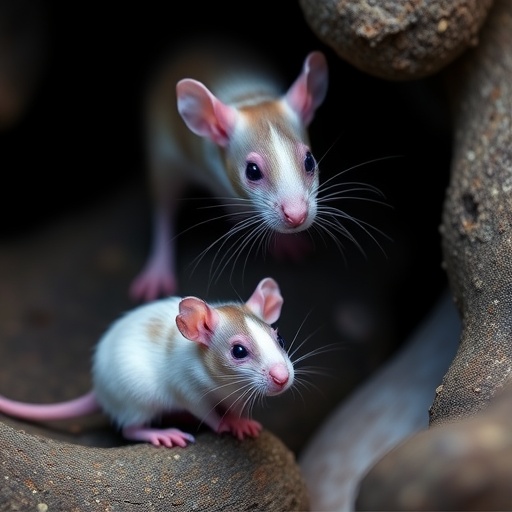
In the referenced experimental study, female Sprague-Dawley rats were administered DHEA to emulate PCOS-like features, including hyperandrogenism, disrupted estrous cycles, and metabolic irregularities. Following this, live AP was delivered orally at a concentration of 1 × 10^9 CFU/mL for five weeks, commencing two weeks prior to hormonal induction. This pre-treatment design allowed for the establishment of probiotic colonization and investigation of its prophylactic and therapeutic impacts. Comprehensive phenotypic assessments, spanning hormonal assays, glucose tolerance tests, reproductive cycling, and histopathological ovarian analyses, were employed to gauge treatment efficacy.
Notably, AP administration elicited a pronounced attenuation of hyperandrogenemia, markedly lowering serum testosterone levels and the free androgen index. The aberrant luteinizing hormone to follicle-stimulating hormone (LH/FSH) ratio, emblematic of PCOS endocrinopathy, trended toward normalization, alongside partial restoration of gonadotropin-releasing hormone (GnRH) dynamics. These findings suggest that AP influences the hypothalamic-pituitary-gonadal axis, potentially recalibrating neuroendocrine feedback mechanisms dysregulated by DHEA exposure.
Metabolic reprogramming constituted a critical outcome, as AP improved insulin sensitivity independent of body weight changes. DHEA-induced insulin resistance, manifested by impaired glucose tolerance and hyperinsulinemia, significantly reversed in probiotic-treated rats. This decoupling of glycemic improvement from adiposity reduction indicates direct modulation of insulin signaling pathways, possibly through microbial metabolite production or systemic anti-inflammatory effects. Such enhancement of glucose homeostasis bears importance given the central role of insulin resistance in PCOS pathogenesis and complications.
Reproductive function restoration was further evidenced by normalization of estrous cycling patterns, with AP-treated cohorts exhibiting recovery from the prolonged diestrus and estrus phase reduction characteristic of DHEA-induced disruption. Vaginal cytological evaluations confirmed the resumption of regular cyclicity, corroborated by histological examination demonstrating amelioration of ovarian tissue architecture. Specifically, cystic follicle prevalence diminished, granulosa cell layer thickness increased, and corpus luteum formation was revitalized, collectively indicating recovered ovulatory competence.
Mechanistic interrogation combined 16S rRNA gene sequencing and untargeted metabolomics to unravel molecular underpinnings. AP supplementation partially reversed PCOS-associated gut dysbiosis by enriching beneficial bacterial taxa and suppressing pathogenic species. Crucially, metabolomic profiling highlighted enhanced arginine biosynthesis as a central metabolic pathway influenced by AP therapy, with serum levels of L-arginine—suppressed by DHEA—restored post-treatment. This dynamic positions arginine metabolism as a pivotal axis linking gut microbial shifts to systemic reproductive and metabolic health.
To dissect causality, a separate cohort of PCOS rats received L-arginine supplementation alone, independent of probiotic administration. Remarkably, L-arginine recapitulated AP’s therapeutic benefits, attenuating hyperandrogenism, normalizing the LH/FSH ratio, improving ovarian morphology, and reinstating cyclicity. These results underscore arginine as a critical mediator in the gut microbiota-reproductive interface, likely functioning via nitric oxide synthesis pathways that modulate ovarian vascularization, follicular development, and hormonal milieu.
The clinical ramifications of these discoveries are profound. Current PCOS management is largely symptomatic, emphasizing hormonal contraceptives and insulin sensitizing agents, with limited success in targeting root causes. Harnessing a probiotic-based approach that modulates gut microbial ecosystems to enhance endogenous arginine production introduces a paradigm shift. Given arginine’s role as a nitric oxide precursor integral to ovarian physiology and vascular homeostasis, its augmentation through gut microbiota manipulation offers a targeted, biologically rational intervention.
Moreover, this research enriches understanding of the gut-reproductive axis, affirming how microbial metabolite production intricately influences systemic endocrine function. It advocates for broadening therapeutic focus beyond traditional hormonal pathways to encompass microbiota-derived bioactive molecules. By delineating arginine biosynthesis as a mechanistic fulcrum, the study paves the way for microbiota-targeted therapeutics and metabolite-based adjuncts that could synergize with existing PCOS treatments, enhancing efficacy while minimizing adverse effects.
Future investigative trajectories should prioritize clinical translation of these findings, encompassing well-designed human trials to evaluate safety, optimal dosing, and longitudinal efficacy of AP supplementation. Exploring combinatorial strategies integrating AP with established pharmacotherapies could yield additive or synergistic benefits. Additionally, elucidating specific microbial gene clusters and enzymatic pathways driving arginine biosynthesis may facilitate bioengineering of tailored probiotic consortia optimized for PCOS intervention.
In summation, the study compellingly demonstrates that Akkermansia muciniphila PROBIO therapy effectively reverses reproductive and metabolic impairments in a DHEA-induced PCOS rat model by modulating gut microbiota composition and augmenting arginine biosynthesis. This innovative approach not only offers a novel therapeutic avenue but also significantly advances the conceptual framework linking intestinal microbiota and reproductive endocrinology. As the prevalence of PCOS continues to rise, such microbiota-centric strategies hold promise for more effective, mechanism-based management of this complex disorder.
Subject of Research: Not applicable
Article Title: Akkermansia muciniphila PROBIO therapy promotes arginine biosynthesis and reverses reproductive impairments in polycystic ovary syndrome rats
News Publication Date: 15-Dec-2025
Web References: http://dx.doi.org/10.1007/s11684-025-1161-3
Image Credits: HIGHER EDUCATION PRESS
Keywords: Cell biology, Polycystic Ovary Syndrome, Gut Microbiota, Akkermansia muciniphila, Arginine Biosynthesis, Probiotic Therapy, Insulin Resistance, Reproductive Endocrinology
Tags: Akkermansia muciniphila probiotic therapyarginine biosynthesis enhancementDHEA-induced PCOS rat modelgut microbiota modulation in PCOShyperandrogenism and probioticsinsulin resistance and gut bacteriaintestinal barrier reinforcement by probioticsmetabolic dysfunction in PCOSnon-alcoholic fatty liver disease and probioticsobesity-related gut microbiome changesPolycystic Ovary Syndrome treatmentreproductive function restoration in PCOS