Sponsored content brought to you by

Attrition in drug development is largely driven by a lack of targets as well as by a persistent translation gap between preclinical readouts and clinical outcomes. Conventional 2D cell systems are scalable but biologically reductive, while animal models add organismal context yet frequently fail to recapitulate human tumor architecture, clonal heterogeneity, and patient-specific pharmacology. The practical consequence is late-stage failure: efficacy signals that do not reproduce in patients, underpowered biomarker strategies, and clinical trials that are forced to discover responder biology in real time.
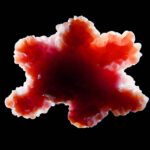
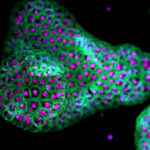
Patient-derived organoids (PDOs) offer a translationally-aligned alternative. Derived from adult stem cells and expanded as three-dimensional “mini organs in a dish,” PDOs preserve key features of the originating specimen including histopathology, genomic landscape, and functional drug response phenotypes. This enables ex vivo pharmacology in a model that is materially closer to patient biology than traditional in vitro systems. For biopharma teams, the value proposition is its decision quality: using patient-relevant response data earlier to prioritize assets, refine indications, and de-risk clinical investment.
A recent paper1 by the teams at HUB Organoids, part of Merck KGaA, Darmstadt, Germany, and the University Medical Center Utrecht (UMCU) published in Clinical Cancer Research provides a central piece of evidence for this positioning. In this retrospective validation study, organoid drug-response profiles were benchmarked against known clinical outcomes to quantify concordance and assess predictive performance. The study helps validate that PDO pharmacology can mirror patient response patterns with clinically meaningful fidelity, supporting their use as predictive translational models in discovery and development workflows.
From an R&D operations standpoint, predictive concordance is actionable. A platform that can stratify likely responders versus non-responders ex vivo enables earlier go/no-go decisions, more rational combination selection, and biomarker hypotheses grounded in functional patient biology. In practice, this supports a “fail fast” development philosophy, reducing time and spending on low-probability paths while increasing the likelihood that programs enter the clinic with a clearer mechanistic and patient-selection rationale.
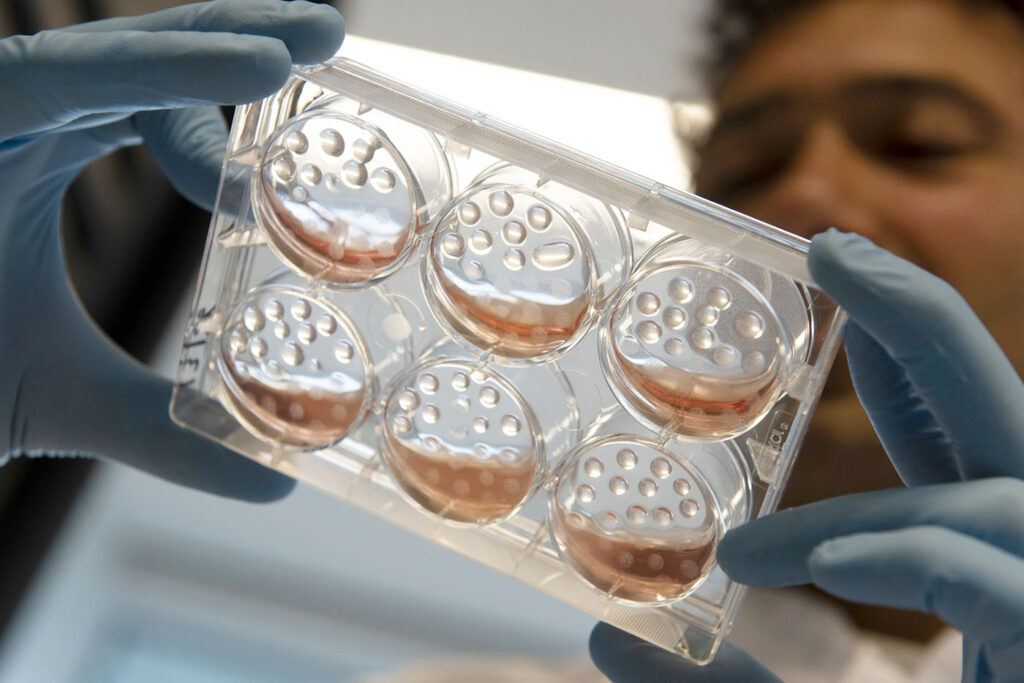
A second historical barrier to throughput and sample demand is also being addressed. Miniaturized, automated organoid screening workflows now enable pharmacology with substantially reduced organoid input per condition while maintaining assay robustness and expanding the feasible experimental design space (e.g., larger panels, broader dose-response matrices, and more combination testing) under realistic sample constraints. As these workflows scale, PDOs become less of a bespoke translational tool and more of a routine decision engine across lead optimization and early clinical strategy.
If additional proof point is needed to demonstrate organoids value before using them to treat patients, Merus Petosemtamab (MCLA-158) provides a widely referenced translational signal. The program received Breakthrough Therapy Designation from the U.S. Food and Drug Administration and was developed exclusively using patient-derived organoids to support candidate selection and translational rationale. This candidate has advanced in head and neck cancers and is now expanding into additional indications, underscoring how organoid-informed preclinical development can align mechanistichypotheses with clinically-relevant responses.
The field is moving toward a pragmatic conclusion: PDOs are more than just another preclinical model. They are a translational platform for earlier, patient-relevant decision making. Retrospective clinical concordance data, such as that reported in Smabers et al. strengthen the case that organoid pharmacology can serve as a predictive layer between discovery and the clinic, enabling faster prioritization, more defensible biomarker strategies, and better-designed trials.
Reference
- Smabers LP, Wensink GE, Verissimo CS, et al. Patient-derived organoids predict treatment response in metastatic colorectal cancer. Clinical cancer research: an official journal of the American Association for Cancer Research 2025;10.1158/1078-0432.CCR25–1564.

Discover PDO Solutions www.huborganoids.nl.