Nearly 8,000 clinical trial sites have been affected by the joint strikes on Iran by the U.S. and Israel and Iran’s subsequent retaliation, according to a report from clinical data science company Phesi.
The firm analyzed more than 65,000 global trials conducted across over 350,000 sites in 186 countries. It found that 6.7% of active studies (4,361 trials) have been disrupted by the conflict in the affected region, impacting a total of 7,958 trial sites.
According to the report, most of the affected sites are located in Turkey (3,746 sites), Israel (2,204 sites), and Egypt (1,508 sites). In Iran, Phesi found that the conflict impacted 69 sites. Oncology trials represent a significant share of the disrupted activity. Non-small cell lung cancer and breast cancer are the leading indications among the impacted studies, according to the report.
Phesi founder and CEO Gen Li, Ph.D., noted that the conflict is particularly burdensome for Phase 3 trials, which involve larger, committed patient populations who have often participated for years. The risks posed by the situation place investigators in a difficult position, Li said in a statement.
“Patient safety and the safety of investigators and clinical staff must remain the primary consideration, alongside the need to keep existing trials going,” Li said.
All of the top 10 global pharmaceutical companies have investigator sites in the affected countries, some operating as many as 400 to 500 sites there, according to the report.
The disruption could create a need to deploy external control arms and modeling techniques, such as digital twins, to help mitigate the impact of the conflict, according to the report.
“Sponsors need to quickly understand their exposure, identify alternatives, and adapt trial strategies in real time, while maintaining high standards of patient safety and data integrity,” Li said.
Related
Clinical trials are not the only aspect of the industry being affected by the conflict in Iran. Al Jazeera reported that U.S.-Israel strikes have hit one of Iran’s most prominent pharmaceutical companies, Tofigh Daru Research and Engineering Company.
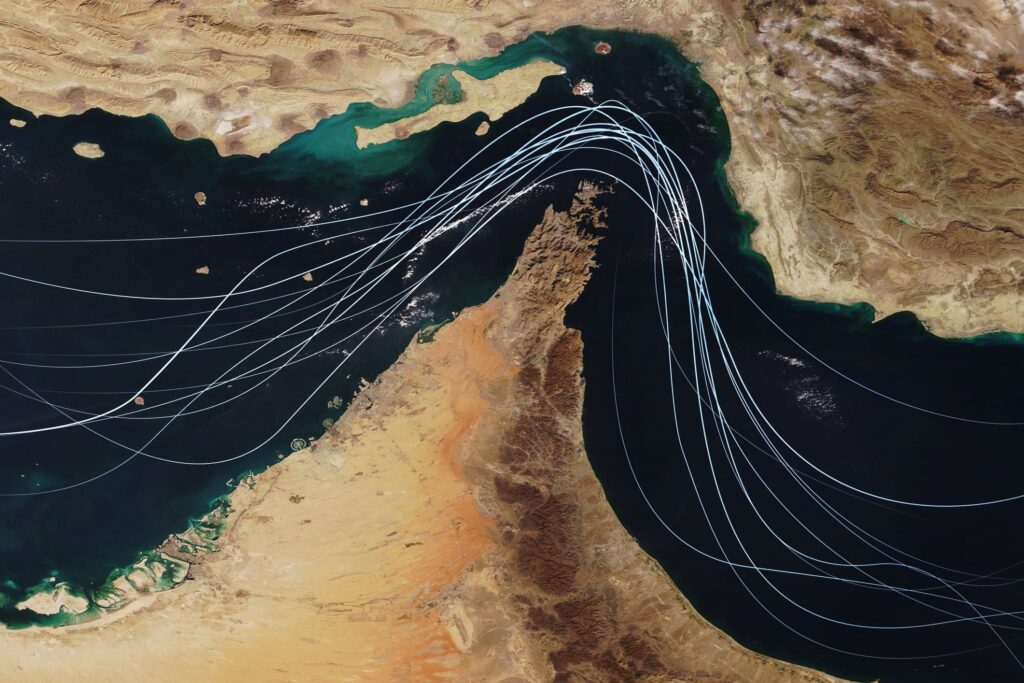
Meanwhile, supply chain disruptions are adding further strain. Prices for helium gas—used to operate MRI machines—have risen sharply in recent weeks. Qatar, which supplies about 30% of the world’s helium, effectively halted exports following Iran’s closure of the Strait of Hormuz in the Persian Gulf.