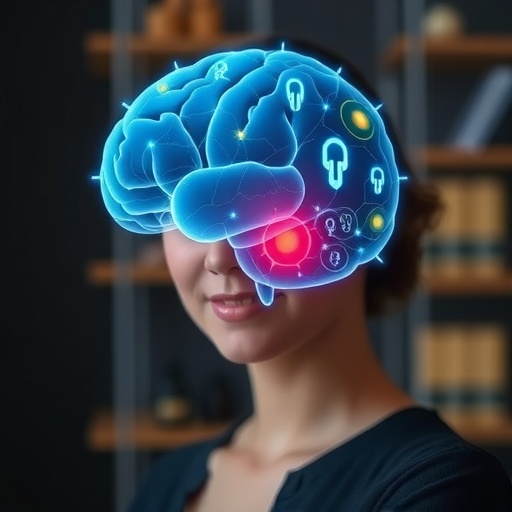
In a groundbreaking advancement that could redefine the landscape of mental health care, researchers at Reichman University have demonstrated the efficacy of an AI-powered conversational platform in alleviating symptoms of anxiety and depression. Published in the esteemed journal JAMA Network Open, this study marks a significant milestone in merging technology with psychological science to address the pressing global mental health crisis. The platform, dubbed “Kai,” acts as a digital therapeutic companion offering continuous emotional support, fundamentally transforming traditional approaches to psychological treatment.
The study was spearheaded by Professor Anat Shoshani of the Baruch Ivcher School of Psychology at Reichman University, in close collaboration with the developers behind the Kai.ai platform. Enrolling approximately 1,000 Israeli university students facing varying degrees of emotional distress, anxiety, and depression, the research systematically compared the therapeutic outcomes of three distinct groups. One group engaged in customary in-person group therapy sessions led by clinical psychologists, another was placed on a waitlist without intervention, and the third had around-the-clock access to Kai within a popular messaging application.
This investigation notably coincided with a period of heightened security tensions in Israel, circumstances that significantly amplified the demand for immediate, accessible mental health resources. Underpinned by rigorously validated therapeutic frameworks—including Cognitive Behavioral Therapy (CBT), Acceptance and Commitment Therapy (ACT), Dialectical Behavior Therapy (DBT), mindfulness, and positive psychology—Kai does more than simulate conversation. It is designed to sustain longitudinal dialogues, meticulously recall user history, detect nuanced indications of emotional distress, and deliver tailored interventions such as guided breathing exercises and reflective writing prompts in real time.
The empirical results were striking. Participants utilizing the conversational AI platform exhibited a marked reduction in both anxiety and depressive symptoms relative to those on the waitlist. When it came to anxiety reduction, Kai even surpassed the effectiveness of conventional human-led group therapy sessions. Impressively, about 58% of users initially presenting clinical levels of anxiety transitioned into a healthy psychological range by the conclusion of the intervention. Among those grappling with depression, nearly half reported notable symptomatic improvements, underscoring the platform’s therapeutic potential.
Beyond symptom reduction, an intriguing psychological phenomenon emerged—participants reported the development of a robust “therapeutic alliance” with the AI agent, a concept traditionally reserved for human therapist-client relationships. This alliance is characterized by a perception of empathy, understanding, and emotional rapport. Users frequently described Kai as professional yet compassionate, and many expressed a preference for opening up to the AI, citing a lack of judgment or stigma that sometimes inhibits human interactions. This novel dynamic challenges preconceived notions about the limits of AI in mental health care.
Professor Shoshani elaborated on these findings, emphasizing that modern anxiety often manifests in unpredictable, situational bursts that transcend the episodic nature of typical clinical therapy. “AI sits in the user’s pocket,” she remarked, “ready to provide continuous, immediate support that aligns seamlessly with the ebb and flow of daily life—be it during commutes, quiet study hours, or restless nights.” This accessibility translates to a revolutionary model where therapeutic support is not bound by clinic hours or physical proximity but integrated into the lived experiences of individuals.
Sustained user engagement, a common challenge for digital mental health tools, was another area where Kai excelled. Across the 12-week trial, 61% of participants regularly interacted with the platform, averaging usage three times per week. Researchers attribute this retention to the system’s personalized continuity—the AI’s capacity to remember previous conversations and individual contexts created a sense of being understood, fostering trust and commitment. This overcomes a significant barrier in digital health interventions often plagued by rapid user dropout.
Nonetheless, the study’s authors caution against viewing AI as a wholesale replacement for traditional psychotherapy, especially in complex psychiatric conditions such as post-traumatic stress disorder (PTSD). The Kai.ai platform operates within a hybrid care framework, supplementing AI-driven support with a dedicated human team available 24/7. Crucially, the AI is programmed to recognize markers of acute risk, triggering immediate alerts that enable timely clinical intervention, thereby safeguarding users with critical needs.
This trial’s multifaceted design, combining rigorous randomized clinical methods with advanced AI technology, opens up exciting possibilities for the future of mental healthcare delivery. By demonstrating that a digital conversational agent can not only reduce symptoms effectively but also cultivate meaningful therapeutic relationships, the study promises a future where psychological support is democratized, destigmatized, and embedded within everyday technology.
The full details of this pioneering study were published on April 14, 2026, in JAMA Network Open, under the title “Efficacy of a Conversational AI Agent for Psychiatric Symptoms and Digital Therapeutic Alliance: A Randomized Clinical Trial.” As mental health challenges continue to escalate worldwide, this research shines a hopeful light on how AI can augment human clinicians and respond dynamically to the complex emotional needs of individuals.
In summary, this integrative approach highlights the compelling synergy between established psychological protocols and cutting-edge AI conversational capabilities. It offers a scalable solution to mental health disparities by ensuring prompt, empathetic, and personalized support is accessible anytime, anywhere—effectively transforming the paradigm of mental health interventions for the 21st century.
Subject of Research: Use of AI conversational agents in the treatment of anxiety and depression, therapeutic alliance with AI, digital mental health intervention efficacy
Article Title: Efficacy of a Conversational AI Agent for Psychiatric Symptoms and Digital Therapeutic Alliance: A Randomized Clinical Trial
News Publication Date: April 14, 2026
Web References:
JAMA Network Open (https://jamanetwork.com/journals/jamanetworkopen)
Image Credits: Gilad Kavalerchik (Image of Prof. Anat Shoshani)
Keywords: AI mental health, conversational agents, anxiety treatment, depression intervention, therapeutic alliance AI, digital therapy, cognitive behavioral therapy, ACT, DBT, mindfulness, positive psychology, hybrid mental health model, mental health technology
Tags: AI in psychological treatmentAI-powered mental health therapyanxiety and depression AI treatmentcognitive behavioral therapy AI integrationconversational AI for anxiety reliefdigital therapeutic companionKai.ai platform effectivenessmental health support via messaging appsProfessor Anat Shoshani researchReichman University mental health studyremote mental health interventionstechnology-driven mental health care