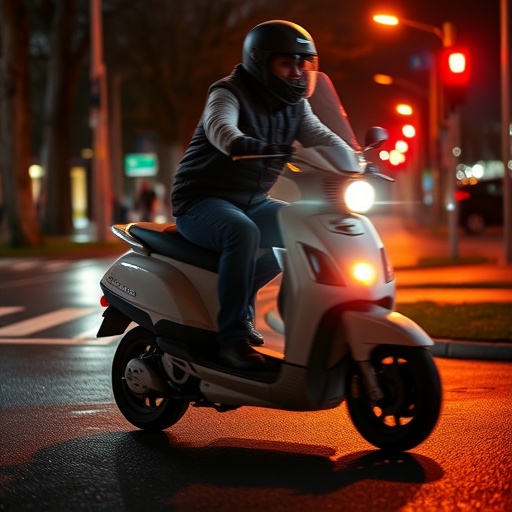
A recent comprehensive study conducted in Sweden exposes alarming trends in fatal crashes involving electric scooters, highlighting a significant correlation with alcohol intoxication and a striking lack of helmet use. Researchers from Chalmers University of Technology and the Swedish Transport Administration performed an in-depth analysis of fatal accidents involving electric scooters, electric bicycles, and conventional bicycles over an eight-year period from 2016 to 2024. Their findings underscore the distinct behavioral and situational factors contributing to fatalities, particularly among e-scooter riders, advocating for tailored safety interventions and regulatory measures.
This groundbreaking study reveals that nearly half—44 percent—of all riders fatally injured on electric scooters were under the influence of alcohol at the time of the crash. This percentage far exceeds that of electric bicycle riders, where 27 percent were intoxicated, and conventional cyclists, with 13 percent influenced by alcohol. The data underscores a disconcerting trend: e-scooter fatalities are disproportionately tied to high levels of alcohol consumption, with a median blood alcohol concentration (BAC) of 1.8 per mille among intoxicated riders. This is significantly above Sweden’s legal driving limit of 0.2 per mille and even exceeds the threshold for aggravated drunk driving, set at 1.0 per mille.
Intoxication impairs cognitive function and reaction time, critical faculties when operating any vehicle, but particularly so for electric scooters due to their inherent design vulnerabilities. As Professor Marco Dozza of Chalmers University, a leading expert in road user behavior, elaborates, the elevated intoxication levels among e-scooter riders intensify the risk of fatal incidents. The vehicle’s susceptibility to losing balance over minor road irregularities is exacerbated when rider responsiveness and judgment are compromised by alcohol. These factors collectively contribute to the overrepresentation of alcohol in fatal e-scooter crashes.
Compounding the risks associated with intoxication is the complete absence of helmet use among those fatally injured in e-scooter accidents. The study found that not a single rider involved in a fatal e-scooter crash was wearing a helmet at the time of the incident. In contrast, helmet usage among fatalities involving electric bicycles and conventional bicycles was around 25 percent. Given that head injuries were identified as the leading cause of death across all groups, the absence of protective headgear among e-scooter riders presents a glaring public health concern. Helmets are proven to significantly mitigate the severity of head trauma, and their underutilization highlights a critical opportunity for life-saving interventions.
The temporal and situational patterns observed in the study further differentiate e-scooter crashes from those involving bicycles. Fatal e-scooter incidents predominantly occur during evenings, nights, and weekends, often as single-vehicle crashes without involvement from other road users. The median age of fatally injured e-scooter riders is 47.5 years, a notably younger demographic compared to fatal bicycle crashes, where the median age is 71 years. Bicyclist fatalities often involve collisions with motor vehicles and predominantly happen during weekdays, painting a picture of vulnerable older riders contending with complex traffic environments.
An intriguing aspect of this research is the predominance of private, as opposed to rental, electric scooters in fatal accidents. Approximately 90 percent of alcohol-related e-scooter deaths involved privately owned vehicles. This finding challenges the current public discourse and regulatory focus, which have largely centered on rental e-scooters. Rental operators frequently impose restrictions like speed limits and nighttime bans to curb risky behaviors, but such measures do not regulate privately owned scooters, which remain outside the scope of existing safety interventions.
To address these multifaceted challenges, the researchers advocate for nuanced, vehicle-specific safety strategies. As highlighted by Marco Dozza, interventions designed for elderly cyclists struck by vehicles during daylight hours will be insufficient for younger, intoxicated e-scooter riders who suffer single-vehicle crashes at night. This calls for innovative solutions that blend technology, regulation, and behavioral modification. For instance, using onboard sensors in scooters to detect impaired riding and prevent operation before a crash occurs is an emerging avenue. Such intelligent systems could identify intoxication levels or erratic control inputs, potentially restraining vehicle functionality in real time to prevent accidents.
However, technological advances alone cannot rectify the problem without addressing the underlying social norms and behaviors that drive risky e-scooter use. Comprehensive rider training emphasizing the dangers of intoxicated riding, the importance of helmet use, and situational awareness are essential components in reducing fatalities. Education campaigns coupled with stricter enforcement and effective legislation tailored to private vehicle use could shift rider culture towards safer practices.
The Swedish approach to legal standards on intoxicated e-scooter usage currently lacks a defined blood alcohol limit specific to these vehicles. The existing mandate prohibits operating an electric scooter unsafely, but this vague criterion complicates enforcement. In contrast, several European countries—including Finland, France, Italy, and Spain—classify electric scooters as motor vehicles for legal purposes, applying a blood alcohol limit of 0.5 per mille for their operation. Standardizing such regulations across the European Union could provide clearer legal frameworks and improve compliance.
Helmet regulations for electric scooter riders also vary widely. Sweden mandates helmet use for riders under 15 years old but does not extend this requirement universally. Across the EU, helmet laws differ considerably between member states, reflecting a patchwork of safety standards that complicate protective measures. Given the compelling evidence linking head trauma and fatality rates, a concerted effort to enforce helmet use universally would be a significant stride toward reducing fatalities.
The broader implications of this study resonate beyond Sweden’s borders, as electric scooters are increasingly popular worldwide. The rapid uptake of micro-mobility devices poses novel challenges for urban road safety. Traditional traffic laws and safety paradigms must evolve to encompass these vehicles, emphasizing the particular risks posed by alcohol-impaired operation and inadequate protective gear. Policymakers, manufacturers, and public health advocates should collaborate to implement robust solutions informed by empirical data such as this study provides.
In keeping with this, the Swedish Transport Agency recently reported a stark 38 percent increase in electric scooter injuries from 2024 to 2025, with 6,624 people injured and seven fatalities attributable to e-scooter crashes in 2025. These numbers reflect the urgent need for comprehensive safety strategies that address the multifactorial risks identified in research. Targeted interventions considering age, alcohol use, time of day, helmet wearing, and vehicle ownership are critical to stemming this rising tide of injuries and deaths.
Ultimately, this study illuminates the complex interplay between rider behavior, regulatory frameworks, technological innovations, and urban mobility trends. Understanding the specific risk profiles associated with different non-motorized vehicles allows for smarter, more effective prevention efforts. As Marco Dozza and colleagues assert, focusing on reducing intoxicated riding and promoting helmet use among e-scooter users could drastically improve outcomes, saving numerous lives in Sweden and beyond.
Subject of Research: Not applicable
Article Title: “Three modes, three profiles: Characterizing fatal crashes on e-scooters, e-bikes and conventional bicycles in Sweden”
News Publication Date: 4 June 2026
Web References:
Swedish Transport Agency report on electric scooter accidents
Swedish Transport Administration’s safety on bicycles
European Road Safety Charter – Drink Driving Limits
Road Safety: e-scooter national rules
Chalmers study on electric scooter crash behavior, 2025
References:
Rajendra Pai, R., Dozza, M., & Fredriksson, R. (2026). Three modes, three profiles: Characterizing fatal crashes on e-scooters, e-bikes and conventional bicycles in Sweden. Journal of Safety Research. https://doi.org/10.1016/j.jsr.2026.05.001
Image Credits: Photo: Chalmers University of Technology | Mia Halleröd Palmgren
Keywords
Electric scooter safety, alcohol intoxication, helmet use, fatal crashes, micro-mobility, road user behavior, e-bikes, bicycle safety, urban transport, sensor technology, drunk riding prevention, traffic regulations
Tags: alcohol impairment in e-scooter crashesbehavioral risk factors electric scooter accidentsblood alcohol concentration e-scooter riderscognitive impairment and scooter accidentscomparative alcohol influence on cyclistsdrunk driving limits Swedenelectric bicycle vs scooter accident rateselectric scooter fatal accidents Swedenhelmet use in e-scooter fatalitiesregulatory measures for e-scooter safetySweden transport safety study 2016-2024traffic safety interventions e-scooters