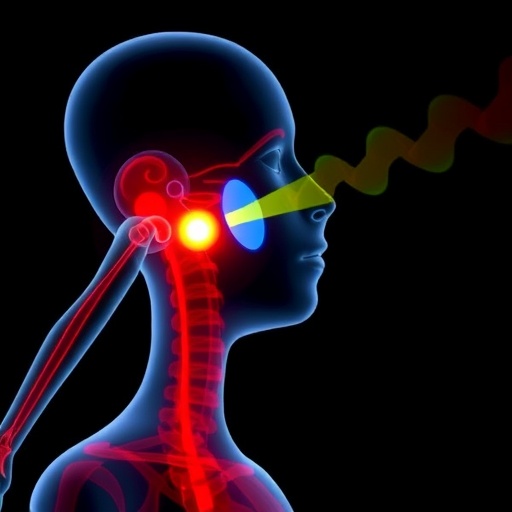
A new study is upending a long-held idea about how the nervous system reads temperature. Researchers at the University of Queensland report that most skin thermoreceptor cells do not specialize exclusively in either cooling or warming. Instead, the same thermoreceptors can carry information about both sensations, suggesting a more flexible “population coding” strategy than previously assumed.
Thermoreceptors are the body’s front-line detectors, continuously sampling conditions at the skin and transmitting signals to the brain. For years, textbooks have described separate pathways for sensing cold versus warmth, implying that distinct sets of nerve cells should respond to each temperature range.
To test this assumption, the team used advanced imaging methods in mouse models to monitor the activity of thousands of thermoreceptor cells at once. Rather than focusing on extreme or painful stimuli, the researchers examined everyday, non-noxious temperature changes—such as shifting into cold rooms or encountering warm bathwater. This approach aimed to capture how thermoreceptors behave in real-life environments.
The results showed that cool and warm information emerges from overlapping neural responses. As temperatures drop, thermoreceptor activity increases; as temperatures rise, overall signaling decreases. Rather than acting like two independent sensors, the cell populations appear to encode temperature through shifts in collective firing patterns and activity levels.
This revised understanding could have important implications for disorders in which thermal sensation is disrupted. Conditions such as spinal cord injury, multiple sclerosis, diabetes, and peripheral neuropathy can impair the body’s thermal sensors, making it harder to respond appropriately to environmental changes and increasing risk during temperature extremes.
Ageing is another major concern. With more frequent and intense heat waves, older adults may experience worsening temperature regulation, potentially tied to degeneration or altered function in thermoreceptor circuits. The study suggests that thermoreceptor dysfunction might contribute to these vulnerabilities.
The authors also propose that impaired thermoreceptor signaling could serve as an early indicator of broader nervous system decline—analogous to how hearing loss has been linked to cognitive deterioration in some populations. Their goal is to clarify which neural pathways should be targeted by future therapies.
The research was published in Neuron under the title “Population encoding of cool and warm by thermoreceptors.” If therapies aim at the wrong neuron types, the new findings imply they may fail to restore normal temperature perception—making this work a potential turning point for next-generation interventions in thermal dysfunction.
Subject of Research: Animals
Article Title: Population encoding of cool and warm by thermoreceptors
News Publication Date: 16-Jul-2026
Web References: https://doi.org/10.1016/j.neuron.2026.06.021
References: 10.1016/j.neuron.2026.06.021
Image Credits: Dr Phill Bokiniec, The University of Queensland.
Keywords: thermoreceptors, temperature sensing, neuroscience, skin nerves, population coding, Neuron, homeostasis, thermal dysfunction, ageing, thermal neuropathy
Tags: advanced imaging of thermoreceptor activityfront-line thermoreceptor functionsmouse models in sensory researchneural encoding of temperature signalsneural response to non-noxious temperature changesoverlapping neural pathways for warmth and coldpopulation coding in temperature sensationrevising traditional temperature sensing theoriessensory processing in the nervous systemskin thermoreceptors in sensory detectiontemperature perception mechanismsThermoreceptor cell flexibility