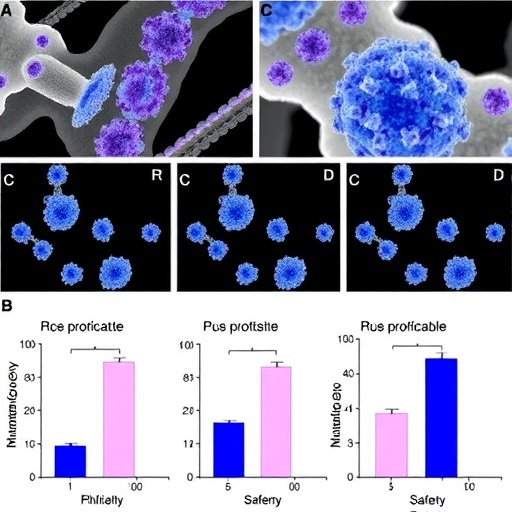
A new phase of COVID-19 vaccine evaluation is underway for a group often underrepresented in clinical trials: children and adolescents living with juvenile immune mediated inflammatory disease (JIMID). In findings published in Pediatric Research, researchers report on the immunogenicity and safety of the mRNA vaccine BNT162b2 (Pfizer–BioNTech) in these patients, addressing a question that matters for both clinicians and families—whether disease-related immune dysregulation alters vaccine performance or risk.
JIMID includes inflammatory conditions in childhood where immune pathways are chronically engaged, sometimes by systemic therapies such as immunomodulators. Because mRNA vaccines stimulate an adaptive immune response through antigen expression after lipid-nanoparticle delivery, scientists monitored whether antibody and cellular responses remain robust despite underlying immune activity and concurrent treatment.
The study emphasizes that vaccine immunogenicity is not simply a yes-or-no outcome. Instead, it examines the magnitude and quality of responses—how effectively the immune system recognizes SARS‑CoV‑2 following vaccination, and whether the kinetics of antibody production suggest sustained protection. Such measurements are critical when immunosuppressive regimens might attenuate immune recall.
Safety was a parallel focus, with investigators looking for adverse events consistent with vaccination in pediatric populations. The central message is that BNT162b2 did not trigger unexpected toxicities in JIMID patients, supporting its broader clinical use when protection against COVID‑19 is considered necessary.
Importantly, the results speak to real-world decision-making: clinicians must weigh the benefits of vaccination against potential concerns related to immune-mediated disease activity. By pairing immunogenicity data with tolerability outcomes, the study provides a more complete evidence base than either domain alone.
From a viral science perspective, these data inform how quickly immune defense may form after mRNA exposure, including the capacity to generate functional antibodies and coordinated immune signals. Even when baseline immunity is altered by disease biology or therapy, vaccines can still act as an immunological “reset” that primes recognition of viral antigens.
While the publication date is listed as 24 July 2026, the implications extend beyond a single timeframe. They contribute to the evolving understanding of how mRNA platforms perform across diverse pediatric immune landscapes as SARS‑CoV‑2 continues to evolve.
By clarifying both safety and immune response profiles in JIMID patients, this work helps close a gap in pediatric vaccine evidence, strengthening confidence in mRNA vaccination strategies for children with chronic inflammatory conditions.
Subject of Research: Immunogenicity and safety of BNT162b2 vaccine in juvenile immune mediated inflammatory disease patients.
Article Title: Immunogenicity and safety of BNT162b2 vaccine in patients with juvenile immune mediated inflammatory disease.
Article References: Gadelha, C.S.E., Terreri, M.T., N Burian, A.P. et al. Immunogenicity and safety of BNT162b2 vaccine in patients with juvenile immune mediated inflammatory disease. Pediatr Res (2026). https://doi.org/10.1038/s41390-026-04836-5
DOI: https://doi.org/10.1038/s41390-026-04836-5
Image Credits: AI Generated
Tags: adverse events of COVID-19 vaccine in juvenile autoimmune diseasesclinical evaluationCOVID-19 vaccine immunogenicity in childrenimmune response kinetics in pediatric JIMID patientsimpact of immunomodulators on vaccine response in childrenjuvenile immune mediated inflammatory diseaselong-term protection in children with immune-mediated inflammationmRNA vaccine response in juvenile inflammatory disorderspediatric vaccine safety and immune responsesafety of BNT162b2 in pediatric autoimmune conditionsvaccine efficacy in children with immune dysregulation