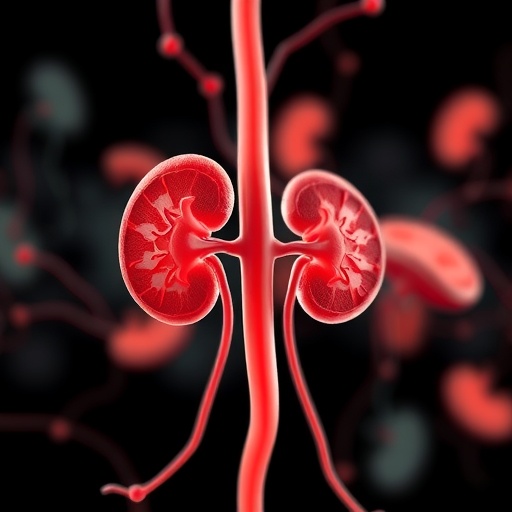
Chronic kidney disease has become a rapidly expanding global health threat for women, with the number of women living with the condition rising from approximately 188 million in 1990 to 359 million in 2021. A global analysis based on data from the Global Burden of Disease Study 2021 has now mapped how this burden differs across age groups, kidney disease subtypes, socioeconomic settings, and metabolic risk factors. The study, led by Professor Lin Sun and Professor Zhifeng Sheng of The Second Xiangya Hospital of Central South University, is described as the first major global assessment focused specifically on chronic kidney disease in women. Its findings suggest that CKD is not simply becoming more common; it is also changing in character as diabetes, hypertension, obesity, population aging, and cardiovascular disease increasingly intersect.
Chronic kidney disease refers to persistent abnormalities in kidney structure or function, usually lasting at least three months. The kidneys regulate fluid balance, remove metabolic waste, control electrolytes, and contribute to blood-pressure regulation and red-blood-cell production. When kidney function deteriorates, toxins and excess fluid accumulate, while hormonal and vascular systems become dysregulated. CKD is often clinically silent until substantial damage has occurred, which is why it is frequently described as a “silent killer.” In women, the consequences extend beyond kidney failure. Reduced kidney function increases the risk of ischemic heart disease, stroke, heart failure, and other cardiovascular complications, while pregnancy-related disorders can both reveal previously unrecognized kidney damage and contribute to future disease.
The new analysis found that the number of deaths from CKD among women increased by 180.89 percent between 1990 and 2021, while disability-adjusted life-years, a measure combining years lost to premature death with years lived with disability, rose by 114 percent. Unlike a simple case count, age-standardized rates adjust for changes in population size and age structure, allowing researchers to examine whether the underlying risk or severity of disease is changing. The investigators reported continuous increases in age-standardized mortality and DALY rates among women, indicating that the worsening burden cannot be explained only by global population growth or the increasing number of older adults. The findings point to a persistent deterioration in health outcomes that requires earlier detection and more effective prevention.
Age was one of the clearest dividing lines in the study. Women aged 50 years and older, a group that includes most postmenopausal women, accounted for nearly 90 percent of CKD-related deaths and approximately 73 percent of CKD-related DALYs among women in 2021. Their age-standardized mortality rate reached 64.03 deaths per 100,000 women, while their age-standardized DALY rate was 1,493.31 per 100,000. Both measures continued to rise over the study period. Biological changes after menopause may contribute to this vulnerability. Declining estrogen levels can affect vascular function, blood pressure, inflammation, and metabolic health, while the accumulation of diabetes, obesity, and hypertension over the life course places additional stress on the kidneys. These interacting mechanisms can accelerate the progression from mild kidney impairment to advanced disease.
At the same time, the analysis identified reproductive-age women as an increasingly important population in the global CKD picture. Among women aged 15 to 49 years, prevalent CKD cases increased by 64.01 percent between 1990 and 2021. This group was also the only age category in which the age-standardized prevalence rate continued to rise, with an average annual percentage change of 0.13 percent. A rising age-standardized prevalence rate suggests that the increase reflects more than population growth or demographic change. Pregnancy-related hypertension, pre-eclampsia, gestational diabetes, obesity, and pre-existing kidney abnormalities may all contribute to this pattern. Kidney disease can complicate pregnancy, while pregnancy complications can increase a woman’s later risk of hypertension, cardiovascular disease, and CKD, creating a feedback loop that begins during the reproductive years and becomes more visible in midlife.
Metabolic kidney disease emerged as a major driver of the changing burden. Type 2 diabetic kidney disease showed the largest increase in age-standardized mortality among the CKD subtypes examined, rising by 36.93 percent. The prevalence of hypertensive kidney disease effectively doubled. High fasting plasma glucose, high systolic blood pressure, and high body mass index were the dominant attributable risk factors across age groups. These factors damage the kidneys through several pathways: persistent hyperglycemia alters the glomerular filtration barrier and promotes scarring; elevated blood pressure injures small renal vessels; and excess adiposity increases inflammation, insulin resistance, and intraglomerular pressure. Once kidney function declines, the kidneys become less able to regulate blood pressure, further intensifying the cycle of injury.
The investigators also detected troubling changes in lifestyle-associated risk among younger women. In reproductive-age women, the burden attributable to high body mass index increased by 112.17 percent, while the burden linked to sugar-sweetened beverages rose by 132.97 percent. These estimates do not mean that a single food or beverage directly causes CKD in every individual, but they indicate that population-level exposure to metabolic risk is expanding. Frequent consumption of sugar-sweetened drinks can increase total energy intake and contribute to weight gain, insulin resistance, and type 2 diabetes. Obesity may also affect kidney function independently of diabetes by increasing filtration pressure and provoking inflammatory changes in renal tissue. The results suggest that prevention cannot wait until women reach older age; metabolic and kidney health may need to be protected from adolescence and early adulthood.
Kidney dysfunction was closely tied to cardiovascular disease in the study. In 2021, cardiovascular disease attributable to impaired kidney function in women accounted for 18.19 million DALYs, representing approximately 46.70 percent of the total burden associated with kidney dysfunction. Ischemic heart disease contributed about 60 percent of this cardiovascular burden, followed by cerebral hemorrhage and ischemic stroke. The connection is biologically plausible because damaged kidneys promote hypertension, vascular calcification, anemia, chronic inflammation, and disturbances in mineral metabolism. These changes can accelerate atherosclerosis and impair the heart’s ability to function. The findings reinforce the concept of a cardio-renal-metabolic continuum in which kidney disease, diabetes, obesity, hypertension, and cardiovascular disease are not isolated conditions but mutually reinforcing components of a single long-term health crisis.
Geographic and socioeconomic differences were also prominent. Women living in low and low-middle sociodemographic regions carried the highest CKD burden, consistent with disparities in access to screening, blood-pressure treatment, diabetes care, specialist nephrology services, and kidney-protective medicines. However, high-income North America recorded the fastest growth in CKD-related mortality, showing that wealth at the national level does not eliminate the problem. Researchers used decomposition analysis to estimate how demographic changes contributed to the rise in CKD-related DALYs. Population growth accounted for 58.63 percent of the increase, while population aging contributed 26.64 percent. The remaining change reflects shifts in disease risk, detection, treatment, and other factors. These results indicate that health systems must prepare for a larger and older population of women with kidney disease while also addressing preventable metabolic risks.
The authors argue that the response should be tailored to women’s lives rather than limited to treatment after kidney damage becomes advanced. Integrating kidney screening into preconception and antenatal care could help identify reduced filtration or albuminuria, an early marker of glomerular injury, before pregnancy complications occur. Regular monitoring of blood pressure, blood glucose, body weight, and kidney function could also identify high-risk women during the reproductive years. For older women, more systematic screening after menopause may help detect the combined effects of vascular and metabolic aging. Treatments such as sodium–glucose cotransporter 2 inhibitors can reduce kidney and cardiovascular risk in appropriate patients, although cost, availability, and clinical infrastructure remain major barriers in low-resource settings. The researchers call for sex-specific CKD registries, multidisciplinary cardio-kidney-metabolic clinics, and policies that make prevention and kidney-protective therapies more accessible. Their central message is that women’s CKD burden is growing across the life course, but earlier action could still change its trajectory.
Subject of Research: People
Article Title: Chronic kidney disease in women: Global trends and metabolic-cardiovascular associations
News Publication Date: 1-Jun-2026
Web References: https://doi.org/10.1097/CM9.0000000000004100
References: Chinese Medical Journal; Global Burden of Disease Study 2021
Image Credits: Prof. Lin Sun and Prof. Zhifeng Sheng, The Second Xiangya Hospital of Central South University
Keywords: chronic kidney disease, women’s health, nephrology, diabetes, hypertension, obesity, cardiovascular disease, metabolic health, kidney disease prevention, Global Burden of Disease, epidemiology, public health
Tags: Aging and Female Kidney HealthChronic Kidney Disease in WomenCKD and DiabetesGlobal Burden of Kidney DiseaseGlobal Disease Trends in WomenHypertension and Kidney DiseaseImpact of Cardiovascular Disease on Kidney FunctionKidney Disease SubtypesMetabolic and Cardiovascular Risk Factorsobesity and chronic kidney diseaseSilent Progression of CKDSocioeconomic Factors in CKD