Sex-related differences in the rates of asthma onset and remission suggest that sex hormones may play a role in the pathogenic mechanisms that underly some forms of asthma. A study led by researchers at Peking University Third Hospital Cancer Center, Peking University, has now found that in mice, male sex hormones can suppress allergic responses by promoting sympathetic nerve connections and norepinephrine release in the lungs. The findings help to illuminate mechanisms that underlie sex differences in allergic diseases and could help inform future therapeutics to treat type 2 immune inflammatory conditions such as asthma.
Xiaofan Tu, PhD, is first and co-corresponding author of the researchers’ published paper in Science Immunology, titled “Androgen signaling via sympathetic neurons regulates allergic pulmonary inflammation.”
Prior research has shown that asthma and other allergic diseases are more common in young males but shift during puberty to become more prevalent in adult females. The authors explained, “During puberty—a critical developmental period marked by substantial changes in gonadal hormone levels—a significant proportion of pediatric patients experience asthma remission, a phenomenon that is more common in males than females. Coincident with the sharp rise in gonadal hormone production during puberty, there is also an age-dependent shift in asthma prevalence and severity, from a predominance in males before puberty to a predominance in females in adulthood.”
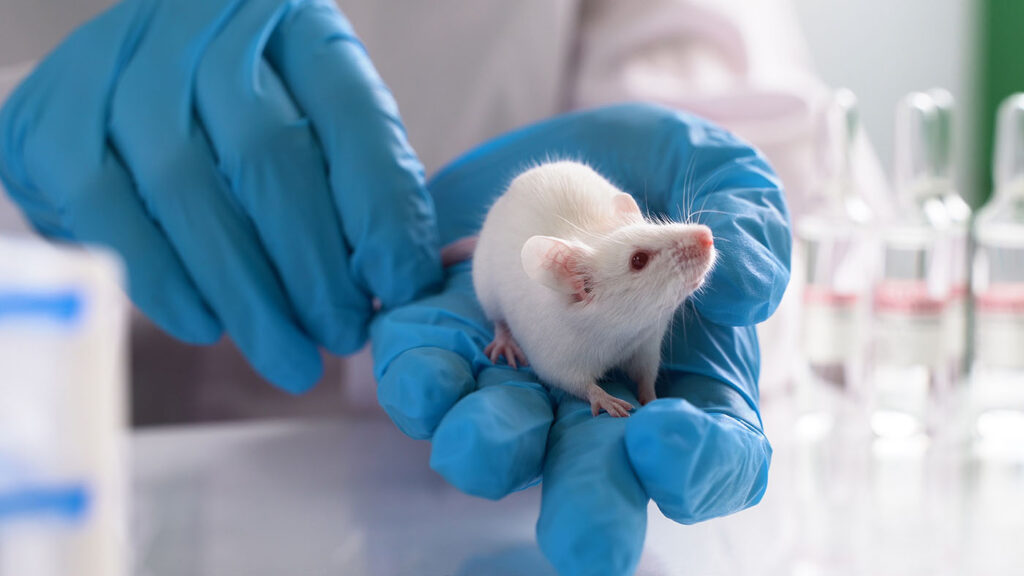
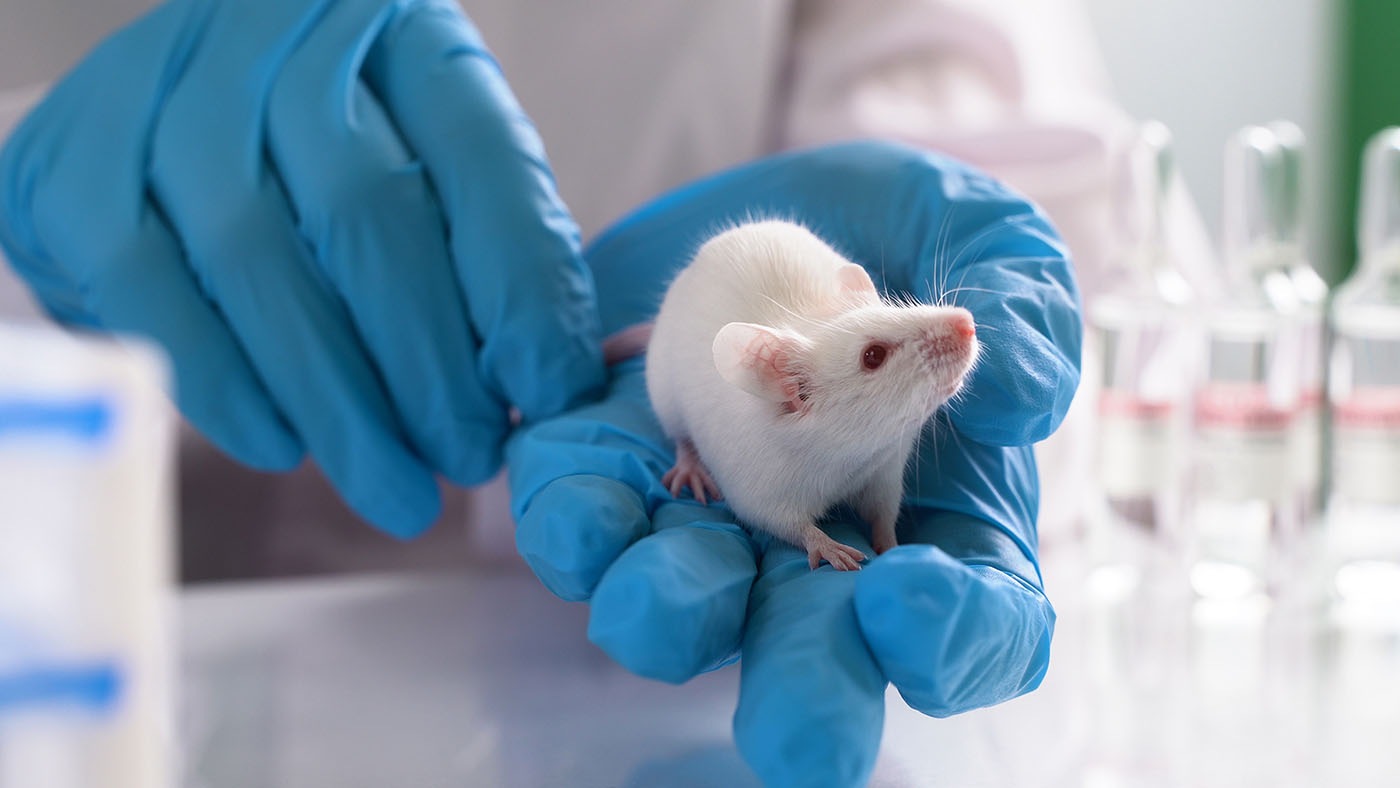
But while sex hormones can influence immune cell functions in asthma, it has been unclear whether they also regulate nonimmune cells in the lungs. For their reported study Xiaofan Tu and colleagues evaluated sex differences in a mouse model of allergic asthma. They showed that early house dust mite (HDM) exposure induced greater type 2 inflammation in female mice when compared with males. However, gonad removal surgery prior to allergen exposure eliminated these sex differences.
To confirm the immunosuppressive capabilities of male gonadal hormones, the team then administered testosterone to male and female mice that had undergone a gonadectomy and were exposed to house dust mites. The testosterone treatment reduced type 2 immune cell infiltration and cytokine expression, suppressing allergic inflammation. “… male gonadal hormones dampen allergic inflammation and contribute to sexually dimorphic type 2 responses during peripubertal stages,” they wrote.
The researchers in addition determined that androgen receptor signaling upregulated sympathetic nerve development in the lungs and showed that inactivating these receptors exacerbated eosinophil recruitment and allergic inflammation. Treatment with norepinephrine—which sympathetic neurons produce in the lungs—lowered levels of eosinophil-recruiting cytokines in immune cells. “In contrast to earlier findings focused on the direct interactions between androgens and pulmonary type 2 cells, our present study describes a sex hormone–driven neuroimmune mechanism that modulates pulmonary immunity, whereby androgens suppress allergen-induced inflammation indirectly by enhancing pulmonary sympathetic innervation,” they wrote in summary.
The authors speculate that this neuroimmune pathway might contribute to the reduction of allergies in males after puberty and note that further work is needed to elucidate how norepinephrine regulates immune function, including characterizing how gonadal hormones affect both lung-innervating sensory and parasympathetic neurons at various developmental stages.
The team also suggest that investigating neuroimmune crosstalk with other hormones such, as growth hormones, thyroid hormones, and corticosteroids may represent a promising area for future research. “Elucidating how these hormones interact with afferent and efferent lung-innervating neurons may enhance our understanding of the temporal dynamics of asthma progression and unravel additional targetable features to induce asthma remission,” they concluded.