A study by researchers at Harvard Medical School has shown that loss of function in the aldehyde dehydrogenase family 3 member B2 (ALDH3B2) gene can convert human pancreatic duct cells into functional β-like cells that can secrete insulin in response to glucose, and which lowered blood glucose levels when transplanted into diabetic mice. The team, headed by Peng Yi, PhD, an investigator at Joslin Diabetes Center, and assistant professor of medicine at Harvard Medical School, suggests that their results point to ALDH3B2 as a gene that could potentially be targeted in human pancreatic duct cells to replenish β cell mass for diabetes therapy.
Senior and co-corresponding author Yi, together with first and co-corresponding author, Jian Li, a postdoctoral research fellow in the Yi lab at Joslin Diabetes Center and Harvard Medical School, reported on their findings in Science Translational Medicine, in a paper titled “Loss of function of ALDH3B2 transdifferentiates human pancreatic duct cells into β-like cells.”
Diabetes, is “… a disease of pancreatic β cell inadequacy,” regardless of cause, the authors wrote. Finding ways to restore a functional pancreatic β cell population in people with diabetes is key to controlling and potentially curing the disease. “To cure diabetes, one has to find a way to stop the recurrent autoimmune attack on β cells (type 1 diabetes) or resolve persistent peripheral insulin resistance (type 2 diabetes), but restoring sufficient functional β-cell mass is critical to a cure for both types of diabetes,” the team continued.
Previous studies have shown that pancreatic duct cells can transdifferentiate into β-like cells, but the process is not well understood. “The critical question is whether transdifferentiation of ducts to β cells occurs in adult humans and, if so, how to stimulate it,” they noted.
For their reported study Li and colleagues developed a genome-wide CRISPR screening strategy to search for genes that regulate the transdifferentiation of human pancreatic duct cells into β cells. They found that loss of function of the ALDH3B2 gene was enough to transdifferentiate cell line-based and human pancreatic duct cells into functional β-like cells. Loss of function in ALDH3B2 in human pancreatic duct cells triggered insulin promoter activation and shifted gene expression toward a more β cell-like profile.
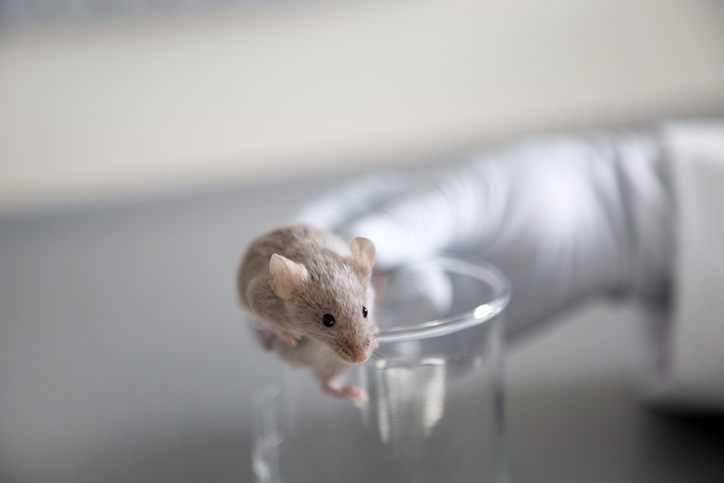
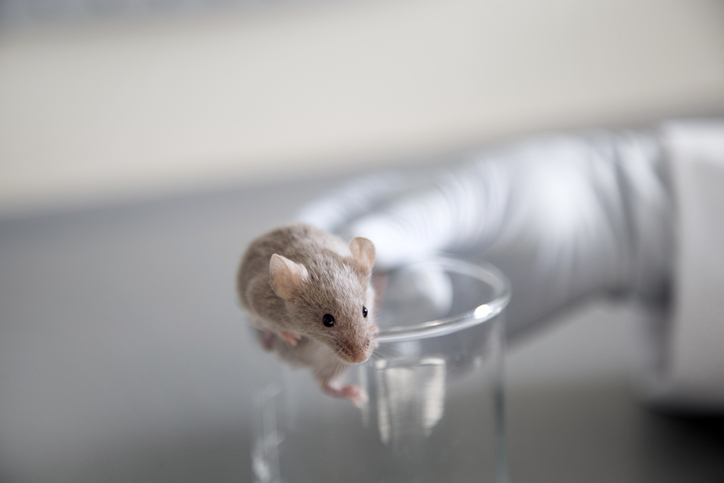
The transdifferentiated cells also lowered blood glucose levels in diabetic mice. “The transdifferentiated cells had substantially increased expression of β cell marker genes, secreted insulin in response to glucose, and lowered blood glucose to near normal for six weeks after transplantation into streptozotocin-induced diabetic mice under the kidney capsule,” the investigators wrote in summary.
However, glucose-stimulated insulin production was much lower in these transformed cells compared with natural human β cells, and the researchers say that loss of function in other genes beyond ALDH3B2 may be necessary to produce full transdifferentiation. The mechanism by which ALDH3B2 restrains duct cell plasticity also needs to be identified, the team noted. “Addressing these limitations will be important for improving conversion efficiency, promoting maturation, and advancing this strategy toward therapeutic application.” Nonetheless, they concluded, “Our study identifies a gene that could potentially be targeted in human pancreatic duct cells to replenish β cell mass for diabetes therapy.”