Providing manufacturing and preclinical development advice, as well as forging a broad range of collaborations, is important to increasing access to capsids and their associated plasmids. That’s according to a gene therapy company focused on engineering adeno-associated virus (AAV) capsids and payloads.
For Jorge Santiago-Ortiz, PhD, vice president, CMC & regulatory affairs at Apertura Gene Therapy, the development and manufacturing story of the company’s own lead capsid, TfR1 CapX, is reassuringly uneventful. This is why he focused his talk at the Bioprocessing Summit in Boston on sharing knowledge about engineered capsids and their manufacturability.
“Giving access to capsids is in everyone’s best interests to advance the field,” Santiago-Ortiz says. “And we have already formed a number of partnerships with different types of institutions, for example, foundations, academic institutions, and for-profit organizations too.”
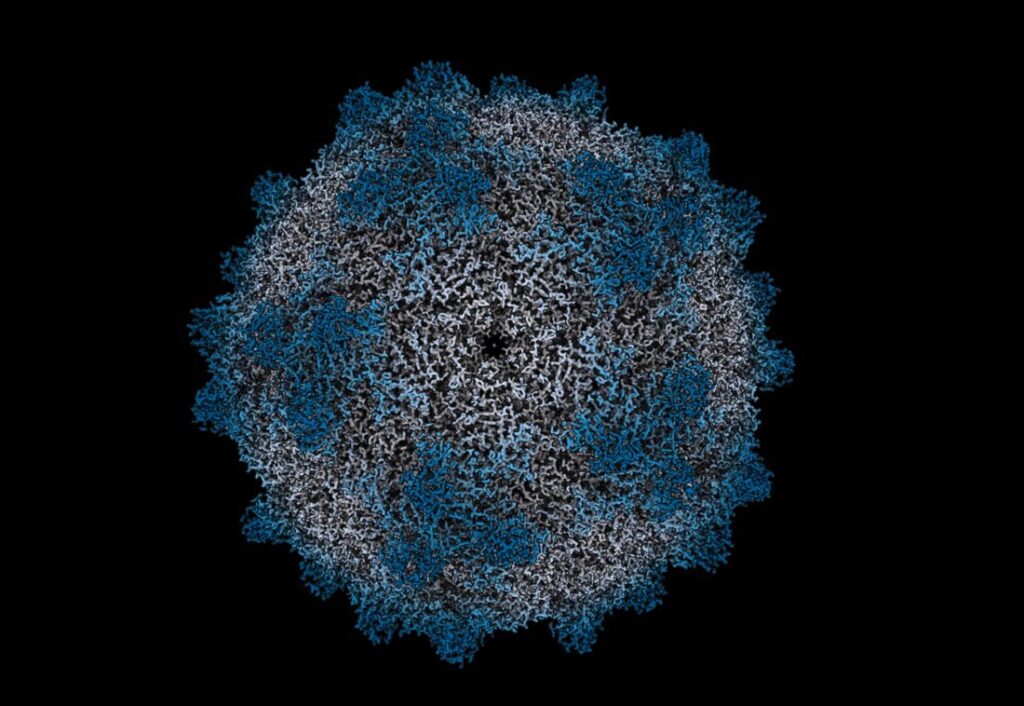
According to Santiago-Ortiz, Apertura Gene Therapy believes its TfR1 CapX is a best-in-class novel AAV capsid for highly efficient delivery to the central nervous system, even at low doses. Manufacturing the capsid itself involves standard unit operations and commercially available reagents, and has taken place internally and at contract manufacturer and other partner facilities in clinical batches of up to 500 L.
Santiago-Ortiz says the company’s success is down to having considered manufacturability early alongside any modifications groups might need to make to standard analytics techniques for the analysis of bespoke capsids.
However, he says, what resonated most with the Bioprocessing Summit audience was the company’s focus on widening access to its capsid technology. This includes, for example, he says, Material Transfer Agreements (MTAs) for academic researchers and even for-profit companies to evaluate their transfer.
In addition to providing access to the capsid and its associated plasmid, he says, they also provide advice on manufacturing, nonclinical development, and regulatory strategies, alongside analytical development guidance.
“As soon as a partnership is announced, we’re as proactive as possible in providing advice and guidance,” he says. “We want to be open and reachable and answer the questions partners might have.”
In addition, Apertura Gene Therapy helps link up partners who might want to manufacture with the aid of a contract manufacturer.
“We connect different parties who have developed different experience and, hopefully, this list of partners will grow as more people adopt this technology and establish their capability to manufacture this virus,” he adds.