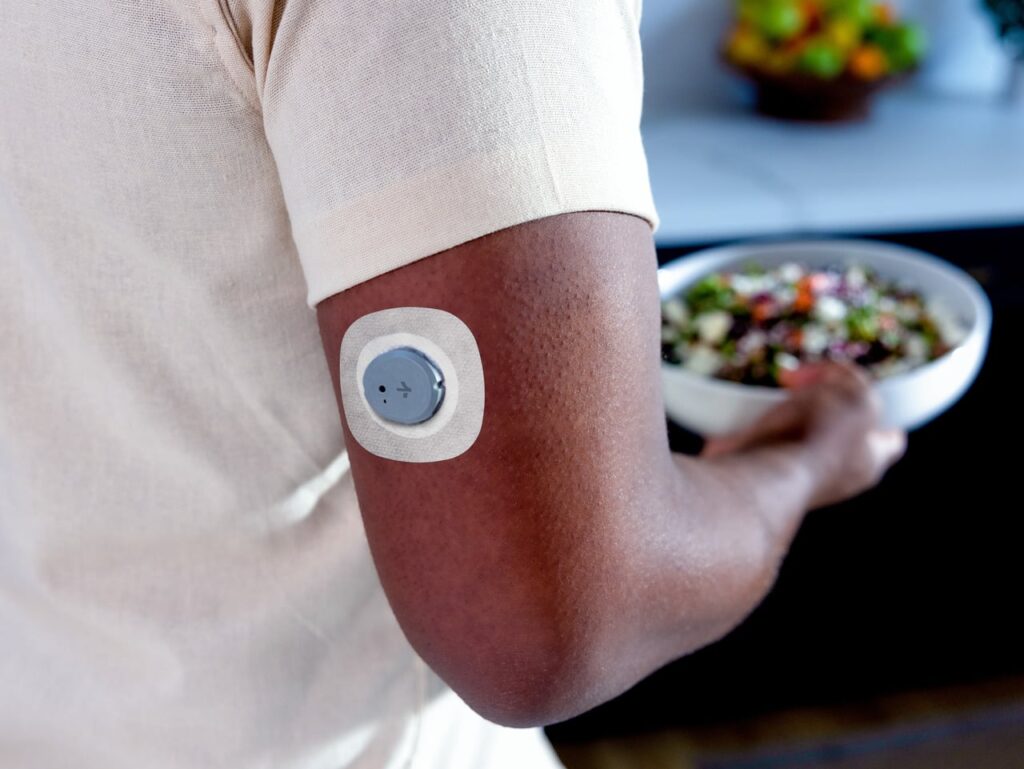
A Dexcom continuous glucose monitor (CGM) helped adults with type 2 diabetes not using insulin improve blood sugar control in a randomized trial, adding new fuel to the industry’s push to bring CGMs into broader primary care use.
The CONNECT trial, presented at the American Diabetes Association’s 2026 Scientific Sessions in New Orleans, found that 82% of adults with type 2 diabetes who used a Dexcom G7 improved their blood glucose levels over six months.
The multicenter study enrolled 283 adults with type 2 diabetes across 22 U.S. primary care practices. Participants were not using insulin and entered the study with A1C levels between 7.1% and 14.9%. At baseline, the average A1C was 8.8%, and 31% of participants had an A1C of at least 9%.
Researchers randomized participants to either use Dexcom’s G7 CGM or continue routine care with standard blood glucose meter testing. After 26 weeks, CGM use was tied to a 0.9-percentage-point greater A1C reduction compared with routine care. The CGM group also spent about five more hours per day in the target glucose range of 70 to 180 mg/dL.
The study also included patients already using newer diabetes medicines. According to the announcement, 37% of participants were taking an SGLT2 inhibitor, while 40% were using an incretin-based therapy, such as a GLP-1 drug.
“Since many of the patients with type 2 diabetes who use oral or non-insulin injectable therapies are seen in primary care settings, continuous glucose monitoring provides an opportunity to close a visible care gap,” Thomas Martens, M.D., co-author of the study, said in a June 6 statement.
Related
Dexcom and Abbott have both been working to open up CGMs to new groups of users. Dexcom’s Stelo, its first over-the-counter glucose biosensor, hit the U.S. market in 2024 after an FDA clearance aimed at adults with diabetes who do not use insulin, as well as people without diabetes who want to better understand how diet and exercise affect glucose levels.
Abbott followed a similar path in 2024, collecting FDA clearances for two over-the-counter systems built off its FreeStyle Libre technology. Libre Rio was designed for adults with type 2 diabetes who do not use insulin, while Lingo was aimed more broadly at the health and wellness market.
The CONNECT data could help strengthen the clinical case for CGM use beyond intensive insulin management, where the technology is already well established.
Still, the findings do not settle the bigger access question. Payer coverage for CGMs has traditionally been strongest for people who use insulin, and broader adoption in non-insulin type 2 diabetes will likely depend on whether companies can keep showing that better glucose visibility leads to durable outcomes and lower downstream costs.
A six-month extension of the CONNECT trial is underway, which researchers said will test whether the CGM benefits hold up over a full year.