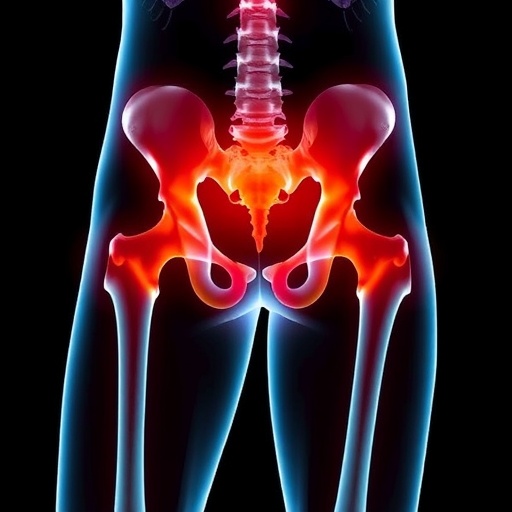
Hip fractures represent a significant public health concern worldwide, particularly as the global population ages. Recent research focusing on Costa Rica has unveiled crucial insights into the epidemiology of hip fractures in this Central American country, laying the groundwork for developing country-specific thresholds to better estimate fracture risk. This research not only highlights the prevalence of such injuries but also seeks to tailor fracture prevention strategies to local demographic and health profiles.
In Costa Rica, the increasing incidence of hip fractures can be attributed to various factors including lifestyle choices, nutritional deficiencies, and the inevitable aging of the population. The study by Perez and colleagues meticulously examined the rates at which these fractures occur in different demographic groups, revealing stark disparities that necessitate targeted intervention. Understanding these fractures’ epidemiology is vital for forming comprehensive public health policies that address the needs of affected individuals.
The research involved an expansive cohort of patients who experienced hip fractures, analyzing their age, gender, and health backgrounds. This multifaceted approach allowed the researchers to identify correlations between fracture events and variables such as bone density, comorbidities, and lifestyle factors. In doing so, significant differences emerged along demographic lines; for instance, older adults, especially women, showed a higher incidence of hip fractures compared to their younger counterparts. This demographic targeting allows for improved risk assessment and prevention strategies.
In addition to identifying risk factors, this study emphasizes developing specific thresholds for determining fracture risk. The authors argue that existing global guidelines are often disconnected from local realities, thus underscoring the urgency for nationally tailored frameworks. By establishing country-specific thresholds, healthcare practitioners in Costa Rica can deliver more accurate evaluations regarding an individual’s likelihood of suffering a fracture, paving the way for more personalized medical care and preventive measures.
The research incorporates advanced methodologies to gauge and analyze fracture risks, including the application of state-of-the-art imaging technologies and demographic-based algorithms. These tools enhance the precision of the research findings, ensuring that they are not only robust but also relevant to current healthcare needs. The utilization of such technology highlights the importance of integrating modern advancements in medical research to not only assess current health trends but also to anticipate future needs.
Furthermore, nutritional factors emerged as critical components in the study. The investigations revealed that deficiencies in calcium and vitamin D significantly contribute to bone health deterioration, thus heightening the fragility associated with hip fractures. These findings compel health authorities to rethink dietary guidelines and public health strategies regarding nutrition, especially for older adults, who may be more susceptible to these deficiencies.
Another pivotal aspect of the study is its focus on the socio-economic determinants of health. The research indicated a clear correlation between economic status and the incidence of hip fractures. Individuals from lower socio-economic backgrounds often lacked access to appropriate healthcare resources, which exacerbated their risks. It calls for an increased emphasis on health equity to ensure that all citizens have access to preventative healthcare services, regardless of their financial status.
Moreover, the documentation of post-fracture outcomes presents further implications for healthcare services. Understanding the recovery trajectories of individuals who have sustained hip fractures is essential for developing effective rehabilitation programs. The data provided insights into the long-term consequences of such injuries, revealing that many individuals face significant challenges in regaining mobility and independence after a fracture. This necessitates a multifaceted approach that addresses not only the acute care following a fracture but also the long-term rehabilitation needs.
In light of these findings, healthcare professionals are urged to heighten awareness regarding the prevention of hip fractures. Educational campaigns can arm patients with knowledge about the importance of maintaining bone health through lifestyle changes, strengthening exercises, and proper nutrition. By fostering a proactive approach, it becomes possible to mitigate the factors contributing to the rising incidence of hip fractures in Costa Rica and beyond.
The implications of this research extend beyond Costa Rica, serving as a model for other countries facing similar challenges in fracture epidemiology. The insights gained from tailoring risk assessment thresholds to local populations could inspire similar studies in different regions, thereby enhancing global understanding and prevention of hip fractures.
Overall, the study conducted by Perez et al. represents a vital contribution to the literature concerning hip fractures. It underscores the importance of a locally informed approach to understanding and preventing fractures, ultimately promoting better health outcomes for aging populations. As governments and health organizations confront the challenge of rising fracture rates, this research will undoubtedly play a pivotal role in shaping future strategies.
In conclusion, the research underscores a pressing public health issue that requires immediate attention. By focusing on the unique epidemiological profile of hip fractures in Costa Rica, the authors advocate for an evidence-based and personalized approach to fracture prevention and treatment. This research not only contributes to the scientific literature but also highlights the critical need for agile and responsive healthcare systems that can adapt to the evolving needs of aging populations.
The evidence presented calls for collaborative efforts among policymakers, healthcare providers, and communities to foster environments conducive to bone health. The emphasis on localized data and tailored interventions echoes through the call for comprehensive strategies beyond mere awareness, aiming to bring tangible improvements in healthcare delivery.
As we look toward the future, the ongoing research and its derived insights pave the way for developing innovative and evidence-based public health policies. The challenge is substantial, but the potential for improved health outcomes through targeted education and treatment is within reach.
Subject of Research: Epidemiology of hip fractures in Costa Rica and risk assessment thresholds.
Article Title: Epidemiology of hip fractures in Costa Rica and development of country-specific thresholds to estimate fracture risk.
Article References:
Perez, S.C., Cruz-Priego, GA., Clark, P. et al. Epidemiology of hip fractures in Costa Rica and development of country- specific thresholds to estimate fracture risk.
Arch Osteoporos 21, 30 (2026). https://doi.org/10.1007/s11657-026-01659-z
Image Credits: AI Generated
DOI: https://doi.org/10.1007/s11657-026-01659-z
Keywords: Hip fractures, epidemiology, Costa Rica, risk assessment, prevention, healthcare.
Tags: aging population health issuesbone density and fracture correlationCentral America health researchcomorbidities and hip fracture riskCosta Rica hip fracture epidemiologydemographic disparities in hip fractureship fracture risk assessmentlifestyle factors affecting fracturesnutritional deficiencies and fracturespublic health policies for hip fracturestargeted hip fracture prevention strategieswomen and aging fractures