
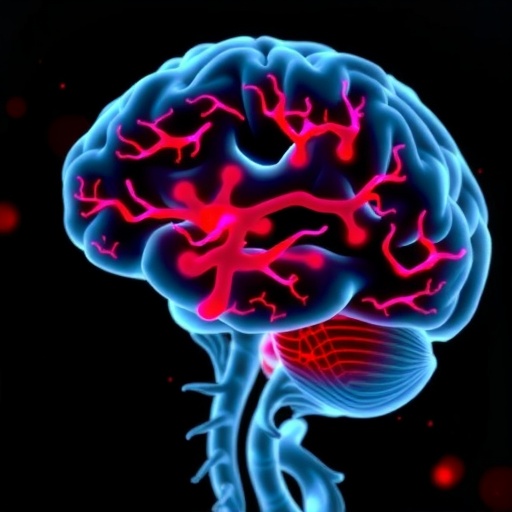
Recent studies have illuminated the intricate mechanisms of inflammation in the context of mild traumatic brain injury (mTBI), a condition increasingly recognized for its far-reaching implications on neurological health. A pivotal aspect of this research underscores the role of CCL5, also known as RANTES, a chemokine that has emerged as a key player in the inflammatory response that follows mTBI. Understanding the dysregulation of this signaling pathway is critical for developing therapeutic interventions aimed at mitigating the effects of injury on brain function and overall neurological recovery.
Research indicates that following a mild traumatic brain injury, a cascade of inflammatory processes is set in motion within the central nervous system (CNS). This immune response, while initially protective, can become maladaptive if not properly regulated, leading to exacerbated injury and prolonged recovery times. Central to this dysregulation is the chemokine CCL5, which is secreted by various cell types in the brain and promotes the recruitment of immune cells to the site of injury. The ongoing studies aim to elucidate how CCL5 interacts with other molecular players to foster an environment ripe for chronic inflammation.
An alarming finding from recent investigations is the correlation between elevated CCL5 levels and persistent cognitive deficits in patients with a history of mTBI. As post-traumatic inflammation persists, the brain may experience neuronal damage, ultimately manifesting as memory impairment, mood disorders, and other cognitive dysfunctions. This suggests that targeting CCL5 signaling could hold promise for enhancing recovery and restoring neurological function after brain injuries.
Moreover, the role of CCL5 goes beyond merely being a harbinger of inflammation. This chemokine has been implicated in the activation of astrocytes and microglia, the resident immune cells of the CNS. Upon activation, these cells can further release pro-inflammatory cytokines, creating a vicious cycle that perpetuates inflammation and exacerbates neuronal damage. Thus, scientists are keenly investigating strategies to modulate CCL5 expression and its downstream signaling pathways as a means of interrupting this cycle.
Researchers have focused on potential therapeutic approaches, including the use of monoclonal antibodies that target CCL5 or its receptors. Blocking the interaction of CCL5 with its receptor could potentially diminish the recruitment of immune cells and limit the inflammatory response to injury. Early preclinical trials have shown promise, yet translating these findings into effective clinical treatments will require further investigation to ascertain safety and efficacy in human populations.
Animal models of mTBI have proven invaluable in unraveling the complex interplay of molecular signals following injury. In these models, researchers have observed distinct inflammatory profiles characterized by differential expression of CCL5 over time. Understanding the temporal dynamics of CCL5 secretion post-injury can provide insights into the critical windows for potential therapeutic interventions that could prevent long-term complications associated with mTBI.
Furthermore, genetic studies exploring polymorphisms in the CCL5 gene have uncovered additional layers of complexity in how individuals respond to injuries. Variations in the CCL5 gene may predispose certain individuals to heightened inflammatory responses, leaving them more susceptible to the adverse effects of mild traumatic brain injury. Recognizing these genetic factors could pave the way for personalized medicine approaches, enabling tailored therapies based on one’s specific genetic makeup.
The pathology of mTBI also includes the consideration of environmental and lifestyle factors that may influence inflammation and recovery. For instance, exercise and dietary interventions are currently being studied for their potential roles in modulating CCL5 levels and promoting neuroprotection. Investigating how lifestyle factors integrate with biochemical pathways in the aftermath of trauma could lead to synergistic therapies that enhance recovery.
As researchers strive to unravel the roles of cytokines, chemokines, and other signaling molecules in mTBI, the importance of collaboration across disciplines becomes increasingly apparent. Bridging the knowledge gaps between neurobiology, molecular biology, and clinical practice is essential for translating fundamental discoveries into tangible clinical applications that benefit patients.
One of the outcomes anticipated from this research is a clearer understanding of the trajectory of recovery following mild traumatic brain injury. Assessing how inflammation and CCL5 levels evolve over time will allow clinicians to better predict patient outcomes, tailoring recovery strategies that include cognitive rehabilitation, physical therapy, and nutritional support, ultimately enabling a more holistic approach to patient care.
In summary, the dysregulation of CCL5/RANTES signaling presents a significant area of interest for researchers tackling the complexities of inflammation following mild traumatic brain injury. By delving into the underlying biology, studying genetic variations, and considering therapeutic interventions, it’s possible to foster a more informed dialogue on mTBI treatment and recovery efforts. The collective goal is to create a future where patients receive comprehensive care that not only addresses the immediate aftermath of injury but also supports long-term neurological health.
The burgeoning field surrounding CCL5 and its implications in mTBI underscores the need for continued investigation into the multifaceted nature of brain injuries. As the science evolves, the hope remains that effective therapies grounded in the therapeutic modulation of inflammatory pathways will significantly enhance recovery outcomes and quality of life for affected individuals.
Subject of Research: Inflammation dysregulation following mild traumatic brain injury and the role of CCL5/RANTES signaling.
Article Title: CCL5/RANTES signaling in inflammation dysregulation after mild traumatic brain injury.
Article References:
Ho, MH., Tsai, YJ., Lee, YH. et al. CCL5/RANTES signaling in inflammation dysregulation after mild traumatic brain injury.
J Biomed Sci 33, 10 (2026). https://doi.org/10.1186/s12929-025-01203-0
Image Credits: AI Generated
DOI: https://doi.org/10.1186/s12929-025-01203-0
Keywords: CCL5, RANTES, mild traumatic brain injury, inflammation, neuroprotection, signaling pathways, therapeutic interventions.
Tags: CCL5 RANTES chemokinecentral nervous system immune responsechronic inflammation in brain injurycognitive deficits after mild TBIdysregulation of immune responseinflammation in TBImild traumatic brain injuryneurological health post-injuryprotective vs maladaptive inflammationrecruitment of immune cells in TBIsignaling pathways in brain injurytherapeutic interventions for TBI

