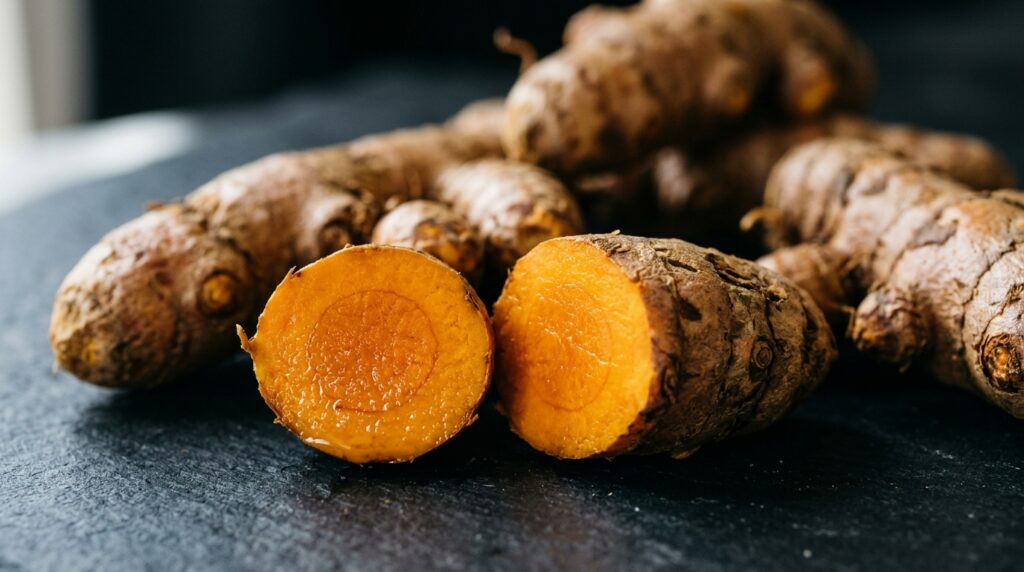
A comprehensive systematic review and meta-analysis synthesizing evidence from forty-six preclinical animal studies indicates that administration of curcumin significantly enhances motor function and modulates secondary injury cascades following experimental spinal cord injury. Researchers systematically gathered controlled in vivo investigations across major biomedical repositories, including PubMed, Embase, Web of Science, China National Knowledge Infrastructure, Wanfang Data, and the VIP Database, from inception through July 2026. Experimental spinal cord trauma produces devastating physical impairment characterized by primary mechanical tissue damage followed by an evolving secondary cascade comprising neuroinflammation, oxidative stress, cellular excitotoxicity, apoptosis, and glial scar formation. Because secondary tissue destruction unfolds over hours and weeks, pharmacotherapies targeting secondary injury pathways present a crucial therapeutic window. The synthesized investigations evaluated laboratory models, primarily Sprague-Dawley and Wistar rats, alongside mice and rabbits, to ascertain whether the natural polyphenolic compound curcumin could ameliorate motor deficits and reduce molecular markers of spinal cord damage across diverse experimental settings.
To rigorously assess functional behavioral recovery across the experimental literature, the investigators extracted standardized functional metrics, focusing predominantly on the Basso, Beattie, and Bresnahan locomotor rating scale for rats and the Basso Mouse Scale for mice. Across forty-six included animal studies, thirty-one utilized intraperitoneal injection as their primary route of delivery, while remaining investigations implemented oral gavage, tail vein intravenous injection, percutaneous intramuscular administration, epidural infusion, intrathecal delivery, or localized nanocarrier depot applications. Injury models were predominantly mechanical contusions induced via weight-drop or impactor instruments alongside clip-compression and balloon-compression models positioned predominantly at thoracic spinal levels between T8 and T11. Study durations ranged from twenty-four hours to eighty-four days post-injury. The meta-analysis applied random-effects modeling using restricted maximum-likelihood estimation to synthesize continuous outcomes into mean differences and standardized mean differences, accounting for biological and methodological variations inherent in independent laboratory experiments.
The quantitative synthesis demonstrated statistically significant improvements in rat locomotor function across all evaluated observation points on the twenty-one-point Basso, Beattie, and Bresnahan scale. At three days following spinal trauma, curcumin-treated subjects demonstrated a pooled mean difference of 0.85 points over control animals, with a ninety-five percent confidence interval extending from 0.39 to 1.32 points. Functional separation expanded substantially over subsequent evaluation intervals, yielding a pooled mean difference of 2.45 points at seven days, 2.92 points at fourteen days, 3.98 points at twenty-one days, and 3.83 points at twenty-eight days. Despite these consistent directional benefits, considerable statistical heterogeneity was apparent across all time points, with I-squared values exceeding ninety percent. A parallel sensitivity analysis employing small-sample-corrected standardized mean differences via Hedges’ g corroborated the primary findings, demonstrating that early neurological benefits were sustained throughout acute and subacute recovery phases rather than resolving after transient initial gains.
Locomotor evaluations conducted in mouse cohorts using the Basso Mouse Scale further confirmed progressive motor improvements after an initial lag period immediately following trauma. At one day post-injury, the pooled standardized mean difference between curcumin-treated and control mice was 0.47, which did not attain statistical significance with a confidence interval between negative 0.06 and positive 0.99. However, significant motor recovery emerged rapidly at day two, producing a standardized mean difference of 1.90, and persisted robustly at day three with an effect size of 1.53 and at day seven with an effect size of 1.45. Later assessments at fourteen and twenty-eight days yielded standardized mean differences of 1.60 and 2.28, respectively, although statistical heterogeneity increased markedly to 86.42 percent by day twenty-eight. The delay in functional divergence during the first twenty-four hours aligns with biological expectations, as acute mechanical trauma, local edema, and spinal shock dominate early functional impairment before neuroprotective interventions can alter secondary pathology.
Assessment of sensorimotor integration, trunk stability, and limb strength through the inclined-plane test revealed a distinct temporal response pattern compared to open-field locomotor scoring. At three days post-injury, performance on the inclined plane showed no statistically significant difference between curcumin-treated animals and vehicle controls, registering a Hedges’ g of 0.41. In contrast, marked functional superiority was observed at seven days with a Hedges’ g of 4.89, fourteen days with an effect size of 3.70, and twenty-one days with an effect size of 5.81, although substantial heterogeneity exceeding ninety-two percent was present at each interval. By twenty-eight days post-injury, the difference between cohorts narrowed to a Hedges’ g of 1.67, which failed to reach statistical significance. The authors emphasized that the inclined-plane test measures resistance against gravity and postural stability, which capture distinct neurophysiological parameters from coordination and joint movements assessed by open-field locomotor rating scales.
Beyond functional motor performance, the meta-analysis systematically evaluated biochemical markers of secondary tissue damage, focusing on oxidative stress indicators and endogenous antioxidant responses. Malondialdehyde, a primary product of lipid peroxidation that reflects membrane damage caused by reactive oxygen species, showed a statistically significant reduction in curcumin-treated animals at twenty-four hours post-injury, yielding a standardized mean difference of negative 0.95 with zero percent heterogeneity across available comparisons. By seven days post-injury, pooled reductions in malondialdehyde did not retain statistical significance. Conversely, activity levels of the endogenous antioxidant enzyme superoxide dismutase were not significantly elevated at twenty-four hours, but exhibited statistically significant increases at seven days with a standardized mean difference of 1.26 and at fourteen days with an effect size of 1.82. These opposing kinetic trajectories illustrate early suppression of free-radical lipid peroxidation followed by subsequent amplification of endogenous enzymatic defenses within the injured spinal cord parenchyma.
Quantitative synthesis of pro-inflammatory and anti-inflammatory mediators revealed selective, time-dependent modulations of the post-traumatic neuroinflammatory response following curcumin administration. Tumor necrosis factor-alpha concentrations were significantly attenuated at twenty-four hours after injury, displaying a pooled standardized mean difference of negative 2.50, but pooled effects did not reach significance at three or seven days. Interleukin-1 beta demonstrated a statistically significant reduction specifically at three days post-injury, with a standardized mean difference of negative 1.77, while earlier and later intervals showed no significant alterations. Interleukin-6 levels were significantly reduced at seven days post-trauma, demonstrating an effect size of negative 1.66, without showing significant differences at day one or day three. In contrast, the anti-inflammatory cytokine interleukin-10 showed no statistically significant change at seven days, exhibiting a Hedges’ g of 10.10 with an exceptionally broad confidence interval that reflected extreme between-study variance and marked analytical uncertainty.
Histological and molecular examinations of secondary cell death indicated that curcumin treatment significantly attenuated late-stage apoptosis in spinal cord tissue. At twenty-eight days following injury, terminal deoxynucleotidyl transferase-mediated dUTP nick-end labeling, or TUNEL assays, demonstrated a marked reduction in apoptotic cell proportions, with a pooled standardized mean difference of negative 3.13 and zero percent heterogeneity. However, the authors explicitly noted that this pooled estimate was derived from only two eligible comparisons, requiring cautious interpretation. Furthermore, while TUNEL staining identifies fragmented genomic DNA characteristic of apoptosis, it cannot completely differentiate apoptotic pathways from necrosis, autophagy, or ferroptosis. Early-stage apoptosis at three days post-injury could not be synthesized into a pooled meta-analytic estimate because deduplication of identical datasets between two published reports left only a single eligible experimental cohort, highlighting ongoing data constraints across the published literature.
To explore sources of variation across the heterogeneous studies, the authors implemented an exploratory machine-learning regressor utilizing an extreme gradient boosting algorithm applied to 113 Basso, Beattie, and Bresnahan effect estimates from thirty-five publications. The model incorporated seven study-level characteristics: anatomical injury level, animal sex, experimental injury model, total sample size, curcumin formulation type, administration route, and control vehicle condition. Across twenty repetitions of ten-fold grouped cross-validation, the model demonstrated a median out-of-fold coefficient of determination of negative 0.187, accompanied by a root mean squared error of 2.575 and a mean absolute error of 1.844. Feature importance rankings evaluated through one thousand bootstrap resamples showed that sample size, control vehicle condition, and injury level ranked among the top three TreeSHAP features in 78.1 percent, 74.1 percent, and 69.1 percent of resamples, respectively, providing descriptive insights into experimental variability rather than predictive clinical guidance.
Methodological quality assessments conducted with the Systematic Review Centre for Laboratory Animal Experimentation risk-of-bias tool revealed substantial reporting deficiencies that necessitate conservative interpretation of the overall findings. While included studies universally exhibited low risk regarding baseline comparability and selective reporting, allocation concealment and random housing procedures were rated as unclear across all forty-six investigations due to omitted descriptions. Caregiver and investigator blinding remained predominantly unclear or at high risk of bias. Furthermore, Egger’s regression tests identified statistically significant funnel-plot asymmetry across all five Basso, Beattie, and Bresnahan assessment points, pointing to potential publication bias or small-study effects. The researchers concluded that while preclinical evidence consistently indicates neuroprotective and functional benefits, curcumin’s rapid metabolic degradation, low systemic bioavailability, and unstandardized experimental protocols require rigorous, standardized confirmatory animal trials before clinical translation can proceed.
Subject of Research: Preclinical evaluation of curcumin efficacy and neuroprotective mechanisms in animal models of spinal cord injury
Article Title: Protective effects of curcumin in animal models of spinal cord injury: a preclinical systematic review and meta-analysis
Article References: Xia, J., Zhu, K., Deng, Q., Dong, L., Cheng, Y., & Li, S. (2026). Protective effects of curcumin in animal models of spinal cord injury: a preclinical systematic review and meta-analysis. Frontiers in Pharmacology, 17, Article 2018859. https://doi.org/10.3389/fphar.2026.2018859
Image Credits: AI Generated
DOI: 10.3389/fphar.2026.2018859
Keywords: curcumin, spinal cord injury, preclinical research, systematic review, meta-analysis, locomotor recovery, BBB scale, Basso Mouse Scale, inclined-plane test, neuroprotection, oxidative stress, superoxide dismutase, malondialdehyde, neuroinflammation, pro-inflammatory cytokines, apoptosis, TUNEL assay, machine learning, XGBoost, SYRCLE tool