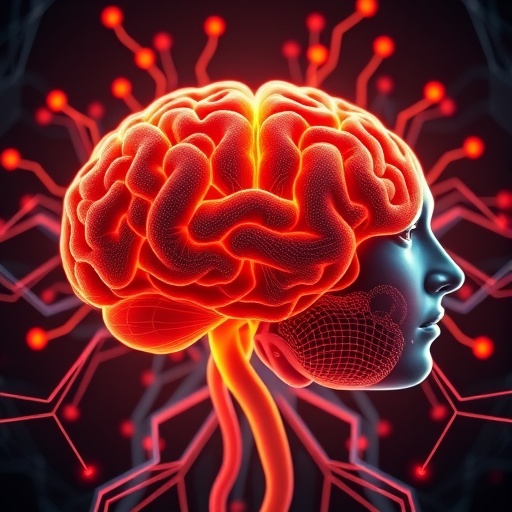
In a striking leap forward for personalized medicine, researchers from Japan’s National Center of Neurology and Psychiatry along with Tohoku University have unveiled a pioneering digital twin brain framework that accurately translates an individual’s neural architecture into precise predictions of their multitask behavioral profile. Published in the journal BME Frontiers, this innovative approach transcends traditional neuroscience models by bridging the elusive gap between an individual’s static brain connectome and their dynamic cognitive and affective behaviors. The outcome is a transformative technology with promising implications for precision psychiatry, enabling tailored interventions that align with a person’s unique neurobiological signatures.
The study addresses a longstanding challenge in psychiatry and neuroscience: how to harness an individual’s resting-state functional connectome—essentially a map of brain connectivity—to forecast behavior across a spectrum of mental tasks that engage both emotional and cognitive processes. Previous efforts, while insightful, have largely faltered in capturing the complex interplay between structural brain networks and the fluidity of multitask behavioral responses. This new framework deftly surmounts these limitations by deploying a sophisticated machine learning architecture designed for individualized predictions.
Central to the researchers’ approach is a dual-component system comprising a hypernetwork paired with a recurrent neural network (RNN). The hypernetwork ingests the resting-state functional connectome from a participant’s brain scans to generate personalized parameters. These parameters calibrate the RNN, which then simulates the participant’s behavioral choices, response times, and blood oxygen level-dependent (BOLD) signals across multiple tasks. These tasks are carefully selected to engage diverse neurofunctional domains, including emotional processing and executive function, providing a comprehensive behavioral readout linked directly to neural mechanisms.
The robustness of this system was rigorously validated using data from 228 participants across a clinical spectrum, including both healthy controls and individuals with psychiatric diagnoses. The results were compelling: the model demonstrated over 90% accuracy in predicting behavioral choices across varied tasks, while correlation coefficients for reaction time predictions exceeded 0.85, indicating a very close match to actual human performance. Equally impressive, the system captured patterns in BOLD signals at a group level with a correlation of 0.84, affirming its ability to replicate the neural activations that underlie complex cognitive-emotional interactions.
What sets this digital twin brain system apart is its end-to-end differentiable architecture. This design enabled the application of gradient backpropagation techniques to identify specific connectome alterations that modulate targeted brain functions. In silico experiments simulating interventions revealed the capacity to manipulate amygdala response intensity—a key neural marker of affective processing—and cognitive processing speed independently. Such findings highlight the framework’s potential for modeling individualized treatment effects, elucidating why the same intervention might yield diverse outcomes across different patients based on their baseline brain connectivity.
This mechanistic insight into neurobehavioral dynamics represents a paradigm shift in psychiatric research. By moving beyond correlative brain-behavior associations toward simulated causal interventions, the digital twin approach opens new possibilities for precision therapeutics. Neuroscientists and clinicians could one day use this platform to forecast how modifications in brain connectivity might improve cognitive deficits or regulate emotional dysregulation, thereby tailoring treatments with unprecedented specificity.
Despite its groundbreaking strengths, the study acknowledges current limitations, particularly regarding sample size and the range of tasks assessed. The researchers emphasize that future work integrating molecular-level data and more extensive datasets could significantly enhance the framework’s scope and accuracy. Moreover, expanding the model’s capabilities to simulate pharmacological interventions could revolutionize drug development and personalized medication regimens by permitting virtual trials that predict an individual’s response before clinical administration.
The versatility of this digital twin brain platform also suggests applications beyond psychiatry. Its flexible learning algorithm that unites sensory inputs with behavioral outputs may be adapted to model real-life cognitive dynamics in neurological disorders, aging, or even learning processes. Thus, the potential to leverage connectome-based simulations transcends single-disease frameworks, inviting broader exploration across neuroscience disciplines.
Such deep learning-enhanced digital twins herald a new frontier in neurotechnology, blending computational power with biologically grounded models to produce individualized, mechanistic predictions. They exemplify the fruitful convergence of artificial intelligence and brain science, promising clinical tools that extend from diagnostics to therapeutics with a personalized touch. These innovations mark a decisive step toward actualizing mechanistic psychiatry that comprehends and treats mental health conditions based on each person’s unique brain wiring.
Looking ahead, the integration of multimodal data streams—ranging from molecular markers to functional neuroimaging—could refine these predictions further, enabling simulations of complex interventions such as combined cognitive therapies and medications. By continuously learning from both neural data and behavioral outcomes, this digital twin brain could evolve in real time, adapting to an individual’s changing neurobiology and optimizing treatment trajectories dynamically.
In summary, the digital twin brain framework introduced by the Japanese research teams stands as a beacon of hope for transforming psychiatric care into a truly personalized discipline. Harnessing the intricate tapestry of brain connectivity to predict and influence behavior ushers in a future where mental health interventions are both targeted and effective, tailored to the remarkable diversity encoded within each neural network.
Subject of Research: Not applicable
Article Title: Deep Learning-Enabled Virtual Multiplexed Immunostaining of Label-Free Tissue for Vascular Invasion Assessment
News Publication Date: 12-Feb-2026
Web References: http://dx.doi.org/10.34133/bmef.0231
Image Credits: Yamashita Lab@NCNP & Takahashi Lab@NCNP
Keywords
Artificial intelligence, Artificial neural networks, Neural net processing, Computer simulation, Regenerative medicine
Tags: brain connectome analysisdigital twin brain technologyhypernetwork and recurrent neural networkindividualized cognitive and affective behaviormachine learning in neurosciencemultitask behavioral forecastingneural architecture modelingneurobiological signature mappingpersonalized behavior predictionprecision psychiatry advancementsresting-state functional connectometailored psychiatric interventions