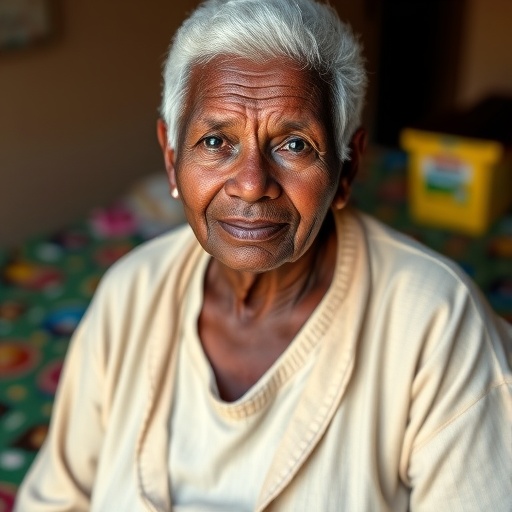
In a groundbreaking study published in BMC Geriatrics, researchers have uncovered a striking association between geriatric malnutrition and the risk of dementia among elderly populations in Uganda. This retrospective cross-sectional cohort study delves deep into the multifaceted consequences of nutritional deficiencies in aging adults, shedding light on a critical, yet often overlooked, determinant of cognitive decline in low-resource settings. The findings hold immense significance not only for public health policies targeting dementia but also for strategies aimed at combating malnutrition in vulnerable populations globally.
Dementia, a debilitating syndrome characterized by progressive cognitive impairment, poses a mounting public health challenge worldwide. While genetics and lifestyle factors such as physical activity, education, and cardiovascular health are acknowledged contributors, the role of nutrition especially in elderly populations residing in sub-Saharan Africa remains underexplored. This study pioneers an in-depth analysis of how malnutrition in geriatric individuals correlates with elevated dementia risk, employing robust retrospective cohort methodologies to generate population-level insights from Uganda’s aging demographic.
The researchers accessed a carefully curated dataset encompassing geriatric patients’ clinical profiles, nutritional assessments, and cognitive function evaluations collected across multiple medical centers in Uganda. By retrospectively examining cross-sectional data, the team could control for confounding variables such as comorbidities, socioeconomic status, and lifestyle habits that typically complicate epidemiological interpretations. This approach fortified the validity of their conclusions about the malnutrition-dementia nexus.
Central to the analysis was the use of validated nutritional assessment tools adapted for local contexts, including anthropometric measurements and biochemical markers indicative of micronutrient deficiencies common in the region. The data revealed a troubling prevalence of malnutrition, highlighting chronic deficiencies in protein, essential vitamins, and minerals among the elderly. This alarmed the investigators, as malnutrition compromises not only physical resilience but also the neurobiological substrates vital for cognitive function.
Delving into neurodegenerative mechanisms, the study discusses the pathophysiological pathways by which malnutrition aggravates dementia risk. Malnourished brains experience exacerbated oxidative stress, neuroinflammation, and synaptic dysfunction, which accelerate neuronal loss and cognitive impairment. Furthermore, impaired nutrient transport and energy metabolism disrupt neuroplasticity—the brain’s ability to adapt and repair—further escalating vulnerability to cognitive decline.
Importantly, the study contextualizes these biological insights within the unique social and economic landscape of Uganda. High poverty rates, limited access to nutrient-dense foods, and barriers to healthcare exacerbate malnutrition incidence among the elderly. This convergence of biological and social determinants creates a potent risk environment for dementia, emphasizing the urgent need for integrated interventions tackling both nutrition and cognitive health.
The researchers also highlight the critical gaps in global dementia research, particularly the underrepresentation of African populations in large-scale cognitive studies. By focusing on Uganda, this work provides much-needed regional data, challenging the global healthcare community to recognize and address context-specific dementia risk factors. It calls for expanded epidemiological investigations and culturally tailored health policies designed to ameliorate geriatric malnutrition and its neurological sequelae.
From a clinical perspective, the findings reinforce the imperative for comprehensive nutritional screening and support as integral components of dementia prevention strategies. Healthcare practitioners in geriatric care should incorporate routine assessments of dietary intake and nutritional status into cognitive health evaluations. Early detection and remediation of malnutrition could delay or mitigate the onset of dementia symptoms, improving quality of life for aging populations.
Public health initiatives might also benefit from these findings by implementing community-based nutritional programs targeted at older adults. Educational campaigns to promote awareness about dietary needs in later life, along with efforts to increase food security and access to essential micronutrients, represent viable strategies to curb malnutrition-driven cognitive decline. Collaborations between governments, NGOs, and local communities will be pivotal in deploying sustainable solutions.
Moreover, the study underscores the interplay between infectious diseases endemic in sub-Saharan Africa and nutritional deficits, noting how chronic infections exacerbate malnutrition and subsequent neurocognitive vulnerabilities. Addressing these interlinked health challenges through coordinated multidisciplinary approaches could substantially reduce dementia incidence attributable to nutritional causes.
From a research methodology standpoint, the investigators utilized advanced statistical models to parse the data, accounting for selection bias and missing information often prevalent in retrospective studies. This rigorous analytical framework enhances the credibility of the observed associations, encouraging replication and longitudinal research to establish causality more definitively in future work.
As the global population ages—with low- and middle-income countries poised to experience the greatest increases in elderly demographics—the implications of this study ripple far beyond Uganda. It highlights the universal necessity of integrating nutritional policies within dementia risk reduction frameworks, bridging gaps between geriatric nutrition science and cognitive health advocacy worldwide.
In conclusion, this pivotal study represents a landmark in understanding the complex relationship between geriatric malnutrition and dementia risk in sub-Saharan Africa. It challenges existing paradigms by positioning nutrition as a fundamental modifiable factor in dementia prevention and calls for urgent multidimensional responses encompassing clinical care, public health, and policy reform. Continued research and cross-sector collaboration remain essential to translate these findings into tangible benefits for aging populations vulnerable to both malnutrition and dementia.
Subject of Research:
Malnutrition in the elderly and its association with dementia risk
Article Title:
Association between geriatric malnutrition and the risk of dementia: a retrospective cross-sectional cohort study in Uganda.
Article References:
Christopher, O., Winfred, A., Wanzhu, Z. et al. Association between geriatric malnutrition and the risk of dementia: a retrospective cross-sectional cohort study in Uganda. BMC Geriatr (2026). https://doi.org/10.1186/s12877-026-07769-0
Image Credits: AI Generated
Tags: aging population health Ugandaclinical assessment of geriatric nutritioncognitive decline and nutrition sub-Saharan Africacross-sectional studies on geriatric healthdementia prevention in low-resource settingsgeriatric malnutrition and dementia riskmalnutrition impact on cognitive functionmalnutrition in elderly populations Ugandanutritional deficiencies and dementia riskpublic health strategies for malnutritionretrospective cohort study on dementiasocioeconomic factors in elderly dementia