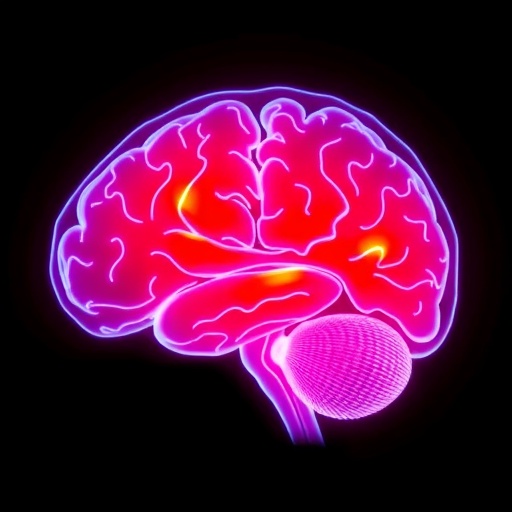
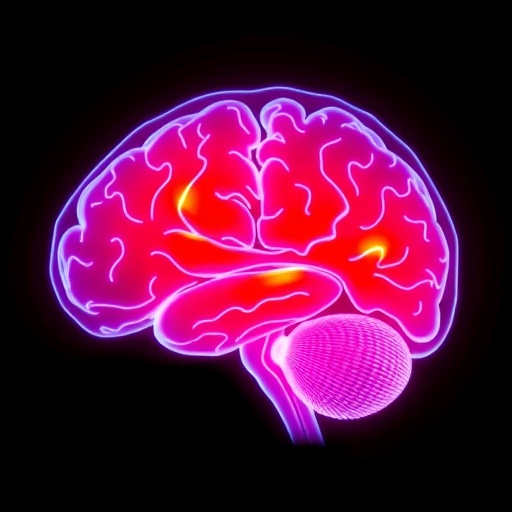
Stroke-related urinary incontinence affects more than a third of survivors and often goes untreated at its neurological source. A new NIH-funded effort from the Mark and Mary Stevens Neuroimaging and Informatics Institute at USC, together with Rancho Los Amigos National Rehabilitation Center, is targeting the brain–spinal cord–bladder communication breakdown that underlies these symptoms. The project aims to move beyond symptom-only management toward a personalized, network-based approach to recovery.
At the center of the study is Evgeniy Kreydin, MD, who leads a multidisciplinary pipeline combining advanced neuroimaging, clinical urodynamic testing, and transcutaneous spinal cord stimulation (TSCS). TSCS delivers mild electrical stimulation through skin-placed electrodes over the spine, with the goal of modulating neural circuits that regulate storage and voiding. Previous pilot results showed benefit for many participants, but not universally—prompting the need for predictors of response.
Researchers will first map bladder-control function by using functional MRI (fMRI) during controlled bladder filling and monitoring. Unlike structural scans that depict anatomy, fMRI captures task-linked changes in brain activity. The team will quantify how regions involved in sensing bladder fullness, deciding when to void, and coordinating release communicate at rest and during filling and urination. Comparisons will be made across stroke survivors with injuries in different locations, including basal ganglia and pons, and also a control group.
To capture the “wiring” that fMRI cannot directly reveal, the investigators will apply diffusion MRI and tractography to reconstruct white matter pathways linking key bladder-control regions. This structural connectivity analysis will test whether pathway disruption better explains symptom severity than visible lesion location alone. The approach is intended to identify measurable imaging biomarkers tied to incontinence patterns.
Finally, participants will undergo 12 weeks of TSCS and repeat both imaging and urodynamic assessments afterward. The study will evaluate whether pre-treatment network integrity—and post-stimulation connectivity changes—correlate with clinical improvement. The long-term goal is a biomarker panel that helps clinicians forecast who is most likely to benefit, reducing trial-and-error treatment selection.
Beyond stroke, the same brain–bladder circuitry framework may extend to other neurological disorders that disrupt urinary control, such as traumatic brain injury and neurodegeneration. By linking network biology to functional outcomes, the project targets a future where neuromodulation and rehabilitation are tailored to individual neural injury profiles rather than applied universally.
Subject of Research: Post-stroke lower urinary tract dysfunction; brain–spinal cord–bladder connectivity; TSCS response prediction
Article Title: Functional and Structural Brain Connectivity Alterations in Post-Stroke Lower Urinary Tract Dysfunction
News Publication Date:
Web References: https://ini.usc.edu/ ; https://keck.usc.edu/news/new-usc-study-identifies-key-brain-networks-behind-post-stroke-urinary-incontinence/
References: NIH/National Institute of Diabetes and Digestive and Kidney Diseases, R01DK144402
Image Credits: Stevens INI
Keywords: stroke, urinary incontinence, fMRI, diffusion MRI, tractography, white matter pathways, transcutaneous spinal cord stimulation, urodynamics, biomarkers, neuroimaging
Tags: brain-spinal cord-bladder communicationfunctional MRI in post-stroke bladder controlnetwork-based approach to neurogenic bladderneural circuit modulation for urinary incontinenceneuroimaging and urodynamic testingneuroimaging biomarkers for urinary functionneuroimaging for bladder controlpersonalized neurological recoverypredictors of response to spinal stimulationstroke rehabilitation and bladder managementstroke-related urinary incontinencetranscutaneous spinal cord stimulation for bladder dysfunction