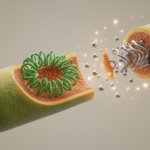
Why does the same chemotherapy dose leave one patient thriving and another battling severe nerve damage, dangerous blood counts, or heart injury? A new review published in Frontiers in Pharmacology points to an underappreciated set of suspects: inherited variations in the genes that build the body’s cellular drug pumps. These molecular gatekeepers, known as ATP-binding cassette (ABC) transporters, sit at the frontline of how anticancer drugs enter, linger in, and exit tissues throughout the body, and the evidence now suggests their genetic quirks may meaningfully shape both the benefits and the harms of cancer treatment.
The review, a narrative synthesis of published pharmacogenetic and pharmacokinetic studies, focused on germline polymorphisms—naturally occurring DNA sequence variants passed down in every cell—within three transporter genes of particular importance to oncology: ABCB1, ABCC1, and ABCG2. These genes encode efflux pumps that actively expel a wide range of chemotherapeutic agents and targeted therapies from cells. When a variant alters the pump’s activity, the same drug dose can produce very different concentrations inside tumors, bone marrow, the heart, or the nervous system, translating into differences in treatment response and side-effect severity.
ABCB1, also called P-glycoprotein, is the most intensively studied of the three. Encoded variants such as C1236T, G2677T/A, and C3435T have been examined extensively for their influence on taxanes, the drug class that includes paclitaxel and docetaxel, and on anthracyclines such as doxorubicin. These chemotherapies are substrates of the ABCB1 pump, meaning the transporter can shuttle them out of cells and limit their intracellular accumulation. Depending on which allelic combination a patient carries, pump activity may rise or fall, and the review documents associations between these variants and both toxicity profiles and treatment response in patients receiving taxane- and anthracycline-based regimens.
The clinical stakes are considerable. Taxanes and anthracyclines remain backbone therapies in breast cancer, lung cancer, ovarian cancer, lymphoma, and leukemia, among other malignancies. Their most feared toxicities—peripheral neuropathy that can persist for years, myelosuppression that leaves patients vulnerable to infection, and cardiotoxicity that can permanently weaken the heart muscle—are precisely the adverse events whose severity varies unpredictably between individuals. If transporter genotype contributes to that variability, as the reviewed evidence indicates, then a simple blood test performed before treatment could eventually help clinicians anticipate which patients need dose adjustments or intensified monitoring.
ABCC1, which encodes the multidrug resistance-associated protein 1, emerges in the review as a particularly consequential player in chemotherapy-induced harm. Variants in this gene have been linked to vincristine-induced peripheral neuropathy, a dose-limiting toxicity of a drug widely used in childhood leukemia and lymphoma protocols. Beyond neuropathy, ABCC1 polymorphisms have been associated with hematologic, gastrointestinal, hepatic, and cardiac toxicities following anthracyclines and other chemotherapy regimens, painting a picture of a transporter whose genetic configuration influences damage across multiple organ systems simultaneously.
ABCG2, the breast cancer resistance protein, takes center stage in the era of targeted therapy. Its C421A polymorphism, the most clinically notable variant highlighted in the review, has demonstrated associations with drug exposure and toxicity for selected tyrosine kinase inhibitors, the oral targeted agents that have transformed treatment of chronic myeloid leukemia and various solid tumors. Because ABCG2 normally restricts intestinal absorption and brain penetration of many kinase inhibitors, a reduced-function variant can raise plasma drug concentrations, increasing the likelihood of adverse events at standard doses. This mechanism offers a pharmacological explanation for why some patients on identical kinase inhibitor doses experience disproportionate toxicity.
The review situates these transporter findings within the broader architecture of precision oncology. Clinical pharmacogenetics has already secured a foothold through established biomarkers: DPYD genotyping to prevent fluoropyrimidine-induced severe toxicity, UGT1A1 testing to guide irinotecan dosing, and TPMT and NUDT15 screening to avert thiopurine-induced myelosuppression. These examples prove that germline genetics can be translated into actionable prescribing decisions. The authors argue that ABC transporter variants represent a potentially important additional factor contributing to variability in anticancer drug response, one that could complement the existing biomarker panel if validated prospectively.
Yet the review is candid about the obstacles standing between current evidence and clinical implementation. The findings across studies are heterogeneous, with different cohorts, cancer types, treatment regimens, and genotyping platforms producing inconsistent or even contradictory associations. The authors emphasize that transporter-mediated drug disposition is multifactorial: drug concentrations inside any given tissue reflect not only ABC pump genotype but also the activity of uptake transporters such as those in the SLC family, drug-metabolizing enzymes, tumor biology, renal and hepatic function, drug interactions, and patient characteristics such as age and comorbidities. A single variant studied in isolation will rarely capture this complexity.
That recognition shapes the review’s central recommendation for future research: the field should prioritize polygenic models that integrate pharmacogenomics with tumor- and patient-specific factors. Rather than asking whether one polymorphism predicts one toxicity, such models would combine multiple transporter variants with metabolizer genotypes, tumor molecular profiles, and clinical variables to build predictive algorithms capable of explaining a larger share of the observed variability in drug efficacy and toxicity. This systems-level approach mirrors the trajectory already seen in other areas of oncology, where multi-factor risk scores have outperformed single biomarkers.
For patients and clinicians, the message is one of cautious promise. ABC transporter pharmacogenetics is not yet ready for routine testing, but the accumulating associations between ABCB1 variants and taxane and anthracycline toxicity, ABCC1 variants and vincristine neuropathy, and ABCG2 C421A and kinase inhibitor exposure suggest a future in which transporter genotyping joins the standard pre-treatment workup. As larger, well-designed prospective studies accumulate, the humble cellular drug pumps that have long been studied for their role in multidrug resistance may find a second career as predictors of treatment success and sentinels against avoidable harm.
Subject of Research: Pharmacogenetics of ABC transporter polymorphisms in anticancer drug disposition, efficacy, and toxicity
Article Title: ABC transporter genetic polymorphisms in cancer therapy: implications for anticancer drug disposition, efficacy, and toxicity
Article References: Barrett, C., & Gálvez-Peralta, M. (2026). ABC transporter genetic polymorphisms in cancer therapy: implications for anticancer drug disposition, efficacy, and toxicity. Frontiers in Pharmacology, 17, Article 1966031. https://doi.org/10.3389/fphar.2026.1966031
Image Credits: AI Generated
DOI: 10.3389/fphar.2026.1966031
Keywords: ABC transporters, pharmacogenetics, ABCB1, ABCC1, ABCG2, chemotherapy toxicity, precision oncology, tyrosine kinase inhibitors, drug disposition, cancer therapy, transporter, genetic