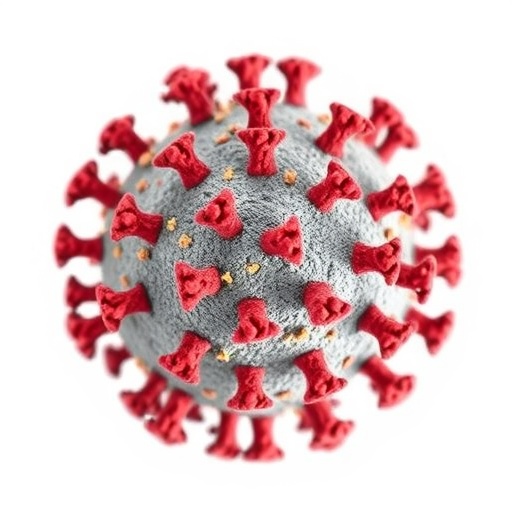
A groundbreaking advancement in the field of cell and gene therapy has emerged from Korea, promising to revolutionize the manufacturing process of chimeric antigen receptor (CAR) immune cell therapies. A research team led by Dr. Chi Hoon Park at the Korea Research Institute of Chemical Technology (KRICT) has unveiled a novel viral vector technology that leverages an envelope protein sourced from Simian Retrovirus Type 2 (SRV2). This innovation has demonstrated remarkable improvements in both production efficiency and therapeutic function of CAR immune cells, positioning it as a compelling alternative to the longstanding RD114 envelope protein currently used in retroviral vectors.
CAR immune cell therapies represent a paradigm shift in oncology, utilizing genetically reprogrammed immune cells, such as T cells and natural killer (NK) cells, to selectively target and eradicate malignant cells. While their clinical efficacy is well-documented, the complexity and high cost of manufacturing these therapies have hindered widespread adoption. Central to the production of CAR immune cells is the creation of retroviral vectors that facilitate the delivery of therapeutic genes into immune cells, with viral envelope proteins playing a vital role in ensuring efficient and targeted gene transfer.
Traditionally, RD114, an envelope protein derived from a feline endogenous retrovirus, has served as the gold-standard pseudotyping envelope in retroviral vector systems used for CAR-T and CAR-NK cell manufacturing. Similarly, vesicular stomatitis virus glycoprotein (VSV-G) dominates lentiviral vector applications. Yet, these established envelope proteins present limitations in viral yield and gene transduction efficiency, directly influencing the scalability and efficacy of CAR therapies.
In their quest to overcome these constraints, Dr. Park’s team conducted extensive virological investigations and identified the envelope glycoprotein of SRV2 as a promising pseudotyping candidate. The standout feature of the SRV2 envelope protein lies in its exceptional structural compatibility with the ASCT2 receptor, a neutral amino acid transporter abundantly expressed on the surface of T cells and NK cells. This unique affinity facilitates enhanced binding and membrane fusion processes during viral infection, thereby translating into superior gene delivery capabilities.
Experimental evaluations revealed that SRV2-pseudotyped retroviral vectors produce markedly higher viral titers relative to RD114-based vectors. This increase in vector production is critical for large-scale manufacturing, as it reduces costs and expedites the availability of CAR immune cells. More importantly, gene transduction experiments demonstrated a substantial elevation in transgene expression within both T cells and NK cells, with CAR expression levels rising by approximately 20 to 25 percent compared to conventional RD114-based methods.
The implications of these findings extend beyond vector production metrics. In preclinical animal models, mice treated with SRV2-based CAR-T cells exhibited robust antitumor responses. Untreated control mice succumbed to tumor growth rapidly, with 100% mortality by day 46 post-tumor inoculation. Conversely, treatment with RD114-based CAR-T cells induced tumor suppression in half of the cohort, showing partial efficacy. The SRV2-CAR-T cell treatment group, however, witnessed only one out of four mice developing tumors, while the remaining three mice maintained complete tumor remission throughout the observation period, underscoring the enhanced therapeutic potency of this novel vector system.
The research team meticulously optimized the production parameters of SRV2-based vectors, including plasmid stoichiometry and bioprocessing protocols, to ensure reproducibility and facilitate scale-up. These efforts are pivotal in paving the way for industrial translation and commercialization of next-generation CAR immune cell therapies. Dr. Park highlighted the significance of the discovery by noting that their novel envelope protein surpasses RD114, the traditional workhorse in gene delivery, heralding a new era in viral vector engineering.
The potential clinical and economic impacts of this technology are substantial. By elevating gene transfer efficiency and viral yield, the SRV2 envelope protein system offers a pathway to reduce the prohibitive manufacturing costs currently associated with CAR therapies. This could accelerate regulatory approval timelines, broaden patient accessibility, and augment therapeutic outcomes in oncological practice. KRICT President Seok Min Shin emphasized this dual benefit, envisioning the new platform as key to both scaling up production and enhancing efficacy.
The Korea Research Institute of Chemical Technology, a government-backed non-profit organization established in 1976, has a distinguished history of innovation across chemistry, materials science, environmental science, and chemical engineering. This latest breakthrough aligns with its mission of addressing global challenges through cutting-edge chemical technology research and sustainable solutions. The institute’s multidisciplinary approach and commitment to excellence have been instrumental in this achievement.
Underpinning this research endeavor were strategic fundings from the KRICT Basic Research Program, the Korea Drug Development Fund, and the Ministry of Health and Welfare via the Korea Health Industry Development Institute. This collaborative support structure underscores the national priority placed on advancing biomedical technologies with transformative potential.
As the research progresses towards clinical translation, further investigations are underway to scale up vector production, validate long-term safety profiles, and establish manufacturing standards compliant with good manufacturing practices (GMP). This continued development pipeline sets the stage for future integration of SRV2-envelope pseudotyped vectors into commercial CAR-T and CAR-NK therapeutic platforms worldwide.
The discovery of the novel SRV2 envelope protein marks a pivotal juncture in gene therapy vector design. It showcases how deep understanding of viral-host interactions can be harnessed to refine gene delivery tools, ultimately enhancing the efficacy and accessibility of life-saving immunotherapies. This innovation not only enriches the molecular toolkit available for CAR immune cell manufacturing but also reinforces Korea’s position at the forefront of chemical and biomedical research.
Subject of Research: Development and optimization of a novel viral envelope protein from Simian Retrovirus Type 2 for improved pseudotyping of retroviral vectors used in CAR immune cell therapy production.
Article Title: Discovery of a novel envelope protein derived from simian retrovirus 2 for pseudotyping retroviral vectors used for production of CAR immune cells
News Publication Date: 23-April-2026
Web References:
DOI: 10.1038/s41467-026-72024-4
Image Credits: Korea Research Institute of Chemical Technology (KRICT)
Keywords: CAR immune cell therapy, viral vectors, pseudotyping envelope protein, Simian Retrovirus Type 2, SRV2, RD114, gene transduction efficiency, retroviral vectors, T cells, natural killer cells, cancer immunotherapy, viral vector manufacturing, gene delivery
Tags: alternatives to RD114 envelope proteinCAR immune cell productioncell and gene therapy advancementschimeric antigen receptor therapy manufacturingenhanced CAR-T cell manufacturingimproving CAR-NK cell therapy efficiencyKRICT viral vector technologynovel viral vectors in immunotherapyoncology immunotherapy production challengesretroviral envelope proteinsSimian Retrovirus Type 2 gene transferSRV2 envelope protein