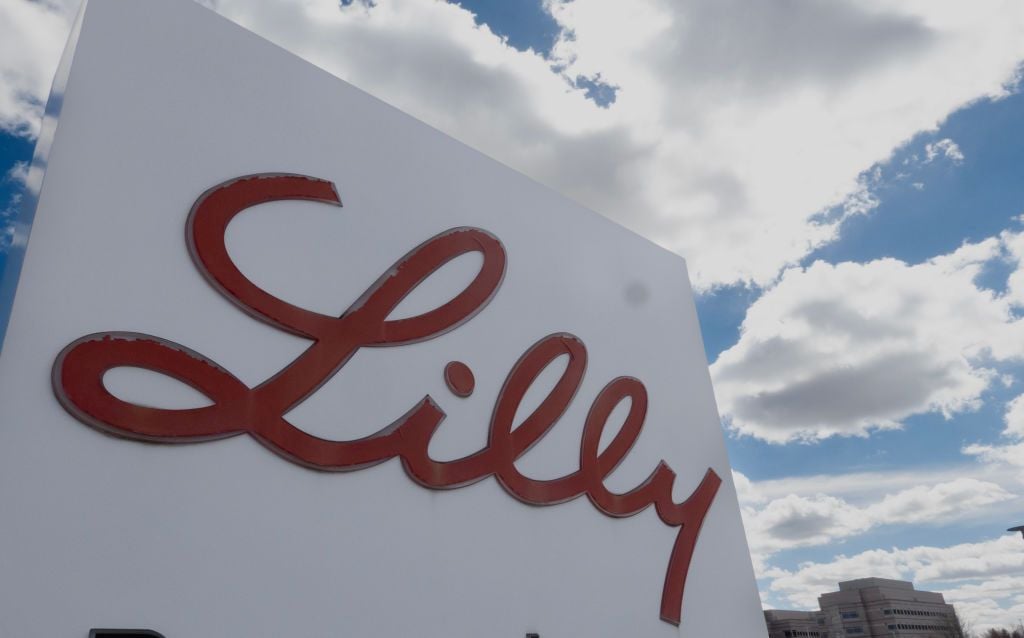
There’s no question Eli Lilly has been the most active biopharma dealmaker of recent months, but even the billions the pharma already spent on acquisitions hasn’t exhausted its appetite.
The latest target is California-based Engage Biologics, for which Lilly is paying $202 million. That amount includes both an upfront fee and milestone payouts, although the companies didn’t offer a breakdown of the financials.
Based in San Carlos, Engage is developing non-viral DNA delivery systems that aim to overcome traditional limitations associated with the modality. The preclinical company counts SciFounders, Pioneer Fund, Cal Innovation Fund, Y Combinator and the Cystic Fibrosis Foundation as seed founders. It’s also received funding from the Gates Foundation and the National Center for Advancing Translational Sciences, part of the National Institutes of Health.
With its Tethosome platform, Engage aims to overcome potency, tolerability and redosability challenges of DNA delivery. The platform leverages engineered DNA payloads with lipid nanoparticle delivery and mRNA-encoded tech in an effort to “enhance localization and increase expression,” according to the release.
“We are excited to begin our next chapter with Lilly, which has demonstrated unmatched speed and a uniquely forward-thinking approach to genetic medicine,” Engage CEO Will Olsen said in a statement. “We believe that the combination of Engage’s platform with Lilly’s significant capabilities will meaningfully accelerate development of new genetic therapies.”
As for Lilly, the Engage buyout marks a continuation of a busy spring of dealmaking. Last month, the pharma giant unveiled its $2.3 billion purchase of Ajax, a New York biotech with a clinical-stage myelofibrosis therapy. Before that, Lilly made a splash with its buyout of in vivo CAR-T company Kelonia Therapeutics for $3.2 billion upfront, among other recent acquisitions.
The steady stream of M&A deals outlines a core strategy playing out at the company: Late last year, a Lilly exec told Fierce the pharma wanted to use its GLP-1 windfall to become a “backbone of the overall innovation ecosystem all around the world.”