Researchers are digging deeper into biology’s complexity. In preclinical research, the traditional in vivo models are simply not enough to fuel the engine with the relevant translational data needed to progress successfully to the clinic.
As research needs evolve in immunology and immune-oncology—as focus on neuroscience increases and metabolic drugs such as GLP-1-based therapeutics become more prevalent—in vivo model suppliers are being requested to up the game on new platforms. In response, these suppliers are expanding their humanization platforms while developing advanced models that can be used to study complex and overlapping disease biology.
Regulatory factors also affect this market. The continued focus on the reduction of the use of animals by U.S. and European regulatory authorities has further opened the door to new approach methodologies (NAMs). NAMs are not new. Organ-on-chip or microphysiological systems, organoids, and iPSCs have been available for years. Finally, these systems are entering the limelight. Although the NAM market still requires more standardization across platforms, these systems are starting to impact preclinical research.
Building translational engines
The Jackson Laboratory (JAX) recently launched its latest humanized model, the NSG®-SGM3-IL15-MHC I/II DKO (S15-DKO). The S15-DKO represents their latest advancement in generating PBMC-humanized mice, supporting broad engraftment of immune cell subtypes such as CD4+ and CD8+ T cells, CD33+ myeloid cells, and CD16+/CD56+ natural killer (NK) cells. The knockout of the murine MHC Class I/II receptors delays the onset of Graft vs. Host Disease (GvHD).
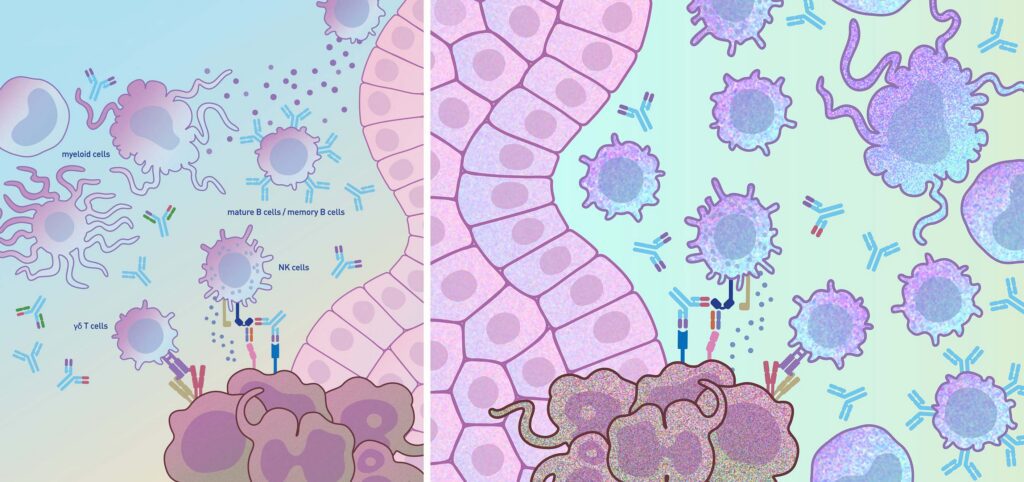
The model also supports the engraftment of rare immune cell subsets, including gd T cells and CD19+/CD38+ B cells that retain the memory state of the donor PBMCs.
Another advanced model for CD34+ hematopoietic stem cell (HSC) humanization, the NSG-FLT3-IL15 mouse generates a cellular-diverse human immune system encompassing myeloid cells, mature NK cells, functional dendritic cells, and T cells.
Both models are available in naïve strains, or off-the-shelf pre-characterized PBMC- and HSC-engraftment, along with full preclinical services tailored to immuno-oncology and autoimmune drug discovery.
“With the FDA’s renewed focus on reducing reliance on non-human primates in biologic development, demand for validated, translational preclinical models has never been higher,” said Luke Dimasi, senior director, JAX.
The genetically humanized FcRn platform and the newly expanded Tg32 hALB mouse address this need. Lacking murine Fcgrt and albumin while expressing their human counterparts, the Tg32 hALB is the first model for studying the pharmacokinetics and pharmacodynamics of human albumin therapeutics, as well as human IgG and Fc-domain-based biologics. Preclinical mAb testing services are available.
“Our offering extends beyond the vivarium,” Dimasi emphasized. JAX’s iPSC repository continues to grow with engineered lines carrying disease-relevant mutations linked to Alzheimer’s, Parkinson’s, ALS, and frontotemporal dementia. In 2025, JAX added HALO-tagged and TET-inducible lines to the collection. The acquisition and integration of the New York Stem Cell Foundation (NYSCF) brings complementary patient-derived iPSCs to the portfolio.
“As the field moves towards new approach methodologies (NAMs), we are evolving alongside it,” Dimasi pointed out. “Our in vivo mouse capabilities give us decades of deeply validated biological context. We are now layering human iPSCs and AI-computational phenotyping on top of that foundation to build a convergent translational engine that no single approach could deliver alone.”
Developing relevant models
According to Jason Rashkow, PhD, product manager for research models, Charles River Laboratories, the company’s comprehensive collection of spontaneously developing rat models spans metabolic disease, diabetes, hypertension, and heart failure, providing strong translational relevance across cardiometabolic indications.
Custom diet preconditioning services allow researchers to tailor disease progression to specific study objectives through strategic model selection and diet design. Standardized preconditioning offerings are planned. “This approach will accelerate study initiation, giving researchers faster access to these metabolic disease models,” said Rashkow.
The increasing prevalence of GLP-1-based therapeutics and next-generation incretin and poly-agonist therapies expanding into cardiometabolic indications such as heart failure with preserved ejection fraction (HFpEF) is accelerating demand for advanced disease models. The combination of established disease models, standardized preconditioning approaches, and custom solutions reflects the complexity of modern metabolic drug development.
In addition, optimization of the generation of CD34+ HSC-humanized mice continues. These models, developed on the severely immunodeficient NCG strain, support research in immuno-oncology, autoimmune disease, vaccine research, and related fields.
As immuno-oncology research needs shift, so does the need for models that enable the study of NK cell-based therapies, tumor microenvironment reprogramming, and cancer vaccines. “Although variant NCG models expressing human cytokines or HLA transgenes begin to meet these needs, transgenes can influence humanization requirements,” Rashkow noted.
To counteract this, the company expanded access to a peripheral blood mononuclear cell (PBMC) engrafted NCG variant strain carrying a double knockout for murine MHC class I and class II, which significantly delays the onset of GvHD, allowing for longer-term studies in the context of mature T cells.
To better support researchers studying HLA-A2-restricted immune responses in vivo, humanization optimization of a NCG variant expressing human HLA-A*02:01 was completed. Further development of the humanization protocols for other variant strains will support next-generation immunotherapy discovery and translational research.
Lastly, the expanded aged C57BL/6 mouse offerings support researchers investigating age-related disease. As a licensed distributor of JAX® Mice to researchers in Europe and Asia, Charles River Europe can now provide aged C57BL/6J mice up to 90 weeks of age. In North America, Charles River offers aged C57BL/6N mice up to 77+ weeks of age.
Improving translational fidelity
“Improved translational fidelity, increased demand for study-ready systems that better align with clinical endpoints, and the need to model complex and overlapping disease biology are driving model development,” related Michael Seiler, PhD, vice president of portfolio management, Taconic Biosciences.
Complex modalities such as checkpoint inhibitors and engineered cell therapies require more complete immune system function and deeper phenotyping. Expansion of the FcResolv® NOG portfolio and huSelect™ services reduces murine immune interference and donor variability. Advanced flow cytometry panels support deeper, standardized
immune profiling.
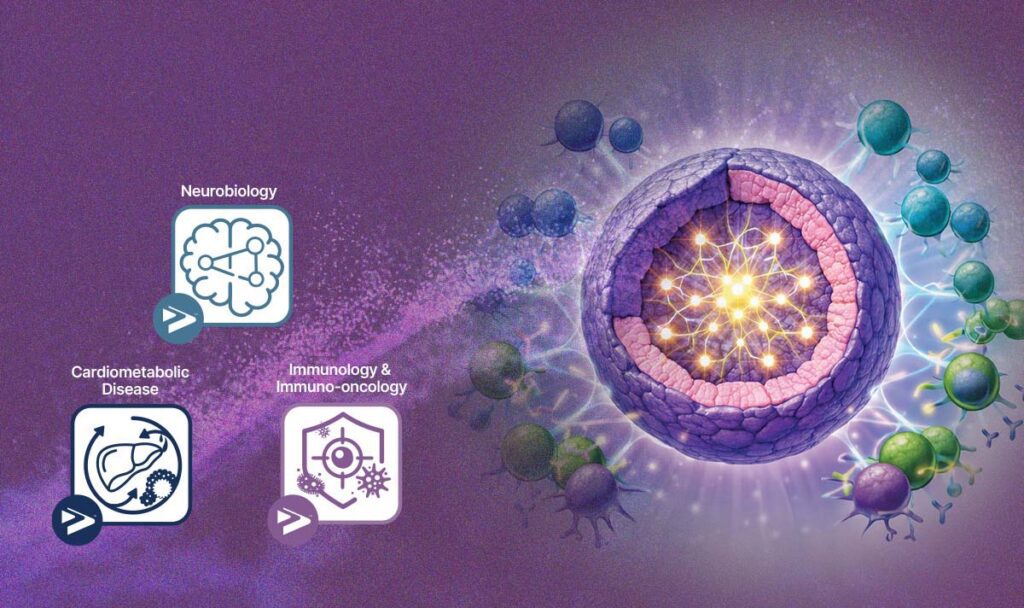
Planned launches include platforms and models designed to support immuno-oncology, biologics, engineered cell therapies, infectious disease, and autoimmune research, with a focus on more complete and functional human immune system biology. Gene and protein analysis services are available.
In neuroscience, the shift is toward better alignment with clinical disease biology, particularly in Alzheimer’s disease and neuroinflammation, along with increased focus on blood-brain barrier (BBB) biology and CNS delivery. Parkinson’s disease model offerings include aSyn KI/KO, PINK1 KO, and LRRK2 KO rat models.
Future models include BBB-focused platforms such as TFRC and CD98, ARTE10 crosses with BBB models, and neuroimmunology-focused NOG variants, including IL-34 and TREM2-related models.
The rapid growth of obesity therapeutics, including GLP-1 and next-generation incretin approaches, is accelerating demand for more predictive metabolic and liver models in cardiometabolic disease. A range of models are aimed at obesity, MASH, cardiovascular disease, and DMPK applications.
Taconic is expanding its capabilities in transgene characterization, CRISPR off-target analysis, and tiered Custom Model Generation Solutions. The acquisition of TransCure bioServices significantly bolsters support of integrated in vivo study services, particularly in humanized immune system and immuno-oncology research. “We now offer a more seamless, end-to-end solution from model selection through study execution and data generation,” said Seiler.
“We continue to evolve toward integrated solutions rather than standalone models. This includes expanded CMS and CMGS capabilities, humanization-as-a-service, deeper phenotyping and multiomic analysis, and partner-enabled data generation,” Seiler added.
Importantly, the move toward integrating in vivo models with complementary technologies such as organoids, iPSCs, and AI-enabled analysis will influence how models are developed and deployed within research workflows.
Standardizing NAMs
The field is clearly shifting toward ready-to-use biology, producing a strong demand for standardized NAM platforms and services that deliver consistent, high-quality results. To facilitate scientists, MIMETAS continues to develop robust OrganoReady® models and advanced services, including immune-competent and vascularized systems across multiple organs.
“Last year, we strengthened our fee-for-service capabilities and advanced several models to deliver high-quality biology in a consistent, scalable way,” said Paul Vulto, PhD, co-CEO and co-founder, MIMETAS. “We made strong progress in our kidney tubuloid research program, CAR T-related applications, and a BBB model under unidirectional flow.”
The novel human distal nephron-on-chip model in the OrganoPlate® replicates physiologic sodium and water transport using primary human kidney cells. This three-dimensional microfluidic platform, as detailed in Kidney360, serves as a high-throughput tool for functional drug screening and investigating distal nephron physiology and disease.1
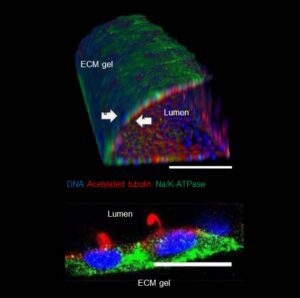
In addition, a three-dimensional BBB microvasculature model developed on the OrganoPlate Graft 48 UniFlow was evaluated in a recent Fluids Barriers CNS publication. Tri-cultures of endothelial cells, pericytes, and astrocytes were used to demonstrate that this pump-free, unidirectional perfused, three-dimensional BBB model outperformed simpler systems on vascular architecture and barrier function. Its high-throughput nature renders the model suitable for studies of BBB function in health, disease, and therapeutic development.2
This year, the company’s UniFlow technology will be offered for in-lab use, enabling customers to create a stable, perfusable vascularized bed for endothelial tissues. New OrganoServices for gastrointestinal toxicity (GI tox) and drug-induced vascular injury (DIVI), alongside a multi-donor expansion of the OrganoReady Colon Organoid product, are also planned.
A major trend in NAMs is the increased need for standardization and regulatory alignment across the field. With initiatives like IAMPS (Industry Alliance for MicroPhysiological Systems), of which MIMETAS is a founding member, industry innovators will work together to advance regulatory acceptance.
The space is evolving quickly, but Vulto emphasized that their focus remains unchanged: building robust human models that help researchers make better decisions.
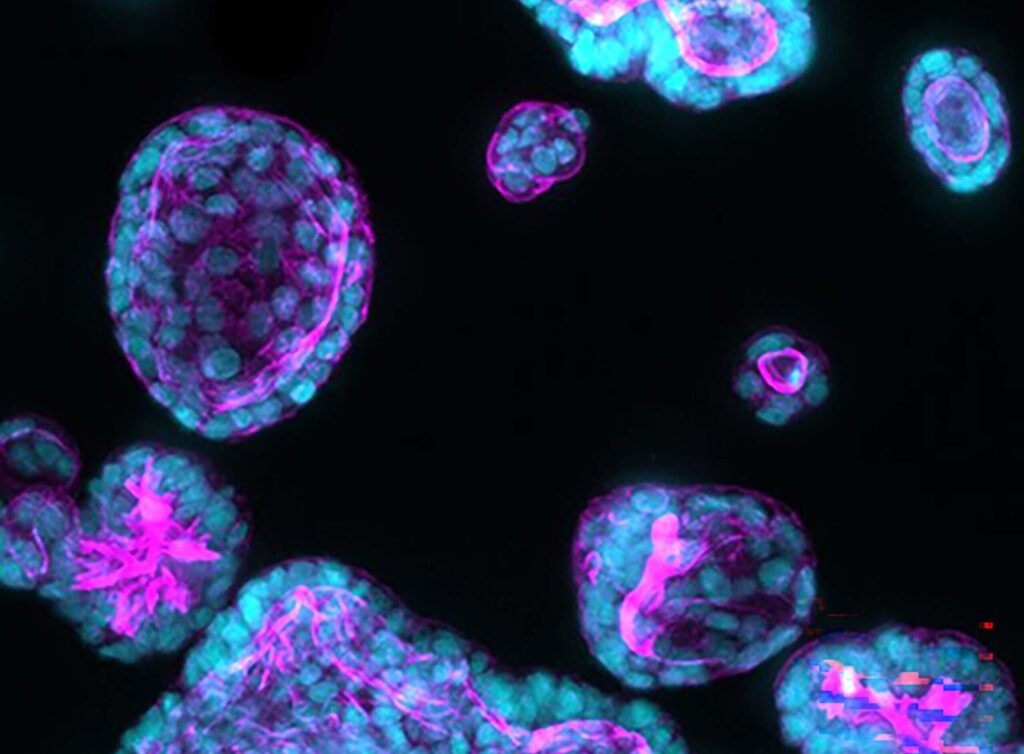
Improving organoid access
“Organoids are part of a broader innovation focus to help researchers work with more predictive models, more advanced tools, and more connected workflows across the path from discovery to development,” commented Heather Hargett, PhD, head of cell biology reagents franchise at MilliporeSigma, the U.S. and Canada Life Science business of Merck KGaA, Darmstadt, Germany.
The regulatory landscape is becoming increasingly favorable to NAMs. In March 2026, the FDA issued a draft guidance to establish clear validation principles for NAMs, including organoids and in silico (or AI) models, when submitted in support of drug applications.
Phasing out animal use for research and regulatory purposes is also supported by the European Commission’s Roadmap Towards Phasing Out Animal Testing for Chemical Safety Assessments.
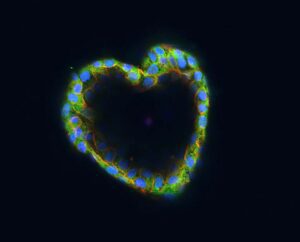
HUB’s advanced organoid capabilities are now being combined with the company’s cell culture expertise, manufacturing scale, global commercial reach, and broad life science portfolio to make organoids a more practical and scalable tool in drug discovery and translational research.
Key priorities include expanding the validated organoid biobank across additional therapeutic areas, tissues, disease states, and patient backgrounds. “Last October, we announced a strategic partnership with Promega Corporation,” said Hargett. “By combining our organoid expertise with Promega’s advanced reporter technology, we aim to enable high-throughput screening that helps researchers identify safer and more effective drug candidates.”
The case of petosemtamab, developed by Merus, is a notable example of the real-world impact of organoid technology. Petosemtamab’s efficacy was tested using HUB organoids. The EGFR x LGR5 bispecific antibody has received FDA Breakthrough Therapy Designation for use in combination with pembrolizumab for first-line treatment of PD-L1-positive recurrent/metastatic head and neck squamous cell carcinoma (HNSCC). A global Phase III trial is ongoing. Recently, Genmab acquired Merus for approximately $8 billion USD.
Adopting organoid technology is a capital efficiency strategy, according to Hargett. Patient-derived organoids retain individual genetic and phenotypic characteristics, enabling drug response testing across diverse patient backgrounds and disease subtypes. Organoids support a “fail fast” approach by identifying non-viable candidates earlier, reducing costly late-stage clinical trial failures, and allowing companies to redirect resources toward the most promising programs.
References
- Bernardi MDL, Dilmen E, Kurek D et al. A Novel Human Distal Tubuloid-on-a-Chip Model for Investigating Sodium and Water Transport Mechanisms. Kidney360. 2025 Nov 1;6(11):1981-1993. doi: 10.34067/KID.0000000992.
- Admiraal J, Emeh PO, Bokkers M et al. Building the blood-brain barrier: a scalable self-assembling 3D model of the brain microvasculature under unidirectional flow. Fluids Barriers CNS. 2026 Jan 23;23(1):29. doi: 10.1186/s12987-026-00765-x.