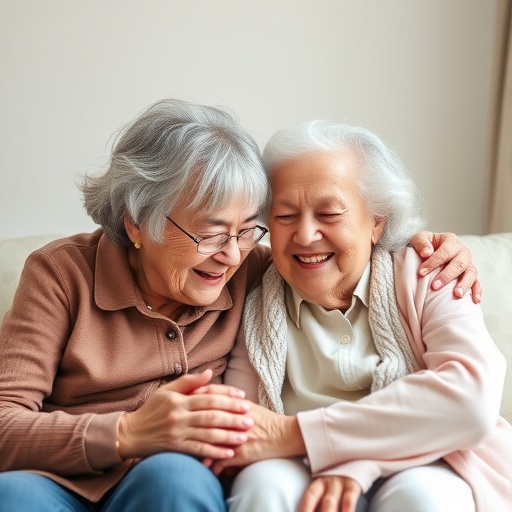
In a groundbreaking study that sheds light on the emotional experiences of family caregivers, researchers have discovered profound insights into the interplay between loneliness, perceived stress, and psychological resilience. This research, published in BMC Geriatrics, emphasizes the often-overlooked emotional burdens faced by those who care for older adults with disabilities. In the fast-paced world we live in today, it is vital to understand the psychological complexities faced by caregivers, who frequently sacrifice their own well-being for the sake of their loved ones.
Family caregivers play a crucial role in providing support and assistance to older adults with disabilities. This often demanding responsibility is rife with emotional challenges, which can lead to increased levels of stress and feelings of isolation. The study conducted by Song et al. highlights how loneliness can exacerbate perceived stress among caregivers, creating a vicious cycle that threatens their mental and emotional health. Understanding the intricate relationship between these factors is essential for developing effective interventions aimed at improving caregiver well-being.
Perceived stress, a subjective assessment of the stressors in one’s life, varies dramatically among caregivers. Those who report higher levels of loneliness tend to perceive their caregiving responsibilities as more taxing. This perception can lead to adverse mental health outcomes, including anxiety and depression. Song and colleagues explored the dynamics of this relationship, investigating how caregivers’ feelings of being alone influence their experience of stress. The findings reveal that addressing feelings of loneliness can significantly decrease perceived stress and improve overall caregiver resilience.
One of the highlights of this research is its focus on psychological resilience as a mediating factor. Resilience, defined as the ability to adapt to adversities and maintain psychological well-being, plays a pivotal role for caregivers facing the dual challenges of loneliness and stress. The study suggests that enhancing psychological resilience may serve as an effective strategy for mitigating the detrimental effects of caregiving on mental health. By equipping caregivers with tools to boost their resilience, we may foster a healthier caregiving environment.
The implications of this study are profound, particularly for health services and community support systems. As the population ages, and the number of individuals with disabilities increases, a greater understanding of caregiver experiences becomes paramount. Health organizations should prioritize creating programs that target both loneliness and psychological resilience. Such programs could offer support groups, counseling services, and educational resources to help caregivers cultivate resilience and combat feelings of isolation.
Moreover, this research highlights the necessity for a systemic approach to caregiver support. Policymakers and healthcare providers must recognize caregivers not just as providers of care, but as individuals who require support in their own right. The emotional toll on caregivers should prompt healthcare systems to implement comprehensive assessments of caregiver needs, ensuring that they are not overlooked in the care equation. By integrating caregiver support into broader healthcare strategies, we can make strides towards improving both caregiver and patient outcomes.
Stress management strategies might also be incorporated into caregiver programs to help them cope with the inherent challenges. Techniques such as mindfulness, relaxation training, and stress-reducing physical activities could play a role in bolstering resilience. Furthermore, fostering social connections among caregivers can alleviate feelings of loneliness, providing them with a sense of community and shared experiences. The creation of peer networks can be invaluable in promoting emotional support and reducing the stigma surrounding caregiver struggles.
Understanding the nature of loneliness in this context is essential. It is a complex emotional state, often rooted in a lack of social connections. Caregivers may feel isolated even when surrounded by family members or friends. This disconnect can be driven by the unique challenges of caregiving that others may not understand. Research findings suggest that targeted interventions aimed at enhancing social networks could mitigate these feelings, offering caregivers a greater sense of belonging and support.
The study by Song et al. not only sheds light on the psychological intricacies of caregiving but also opens the door for further research. Future studies could investigate the role of additional factors such as socioeconomic status, access to resources, and cultural backgrounds in shaping the experiences of family caregivers. By expanding our understanding of these dynamics, we can develop more tailored and effective interventions that resonate with diverse caregiver populations.
As we reflect on the findings of this impactful research, it becomes clear that cultivating an environment conducive to caregiver well-being is crucial. By recognizing the emotional burdens carried by caregivers, society can facilitate the development of comprehensive caregiver support systems. This holistic approach not only benefits caregivers but ultimately enhances the quality of care provided to older adults with disabilities.
In conclusion, the exploration of loneliness and perceived stress in family caregivers underscores the intricate web of psychological factors that influence caregiver well-being. The mediating role of psychological resilience serves as a beacon of hope, suggesting that with the right support, caregivers can navigate their emotional challenges more effectively. As our population ages and the demand for caregivers grows, prioritizing their mental health and emotional resilience will be imperative for ensuring that both caregivers and those they care for thrive.
Subject of Research: The emotional experiences of family caregivers of older adults with disabilities.
Article Title: Loneliness and perceived stress in family caregivers of older adults with disabilities: the mediating role of psychological resilience.
Article References:
Song, Y., Luo, Y., Zhang, X. et al. Loneliness and perceived stress in family caregivers of older adults with disabilities: the mediating role of psychological resilience.
BMC Geriatr (2026). https://doi.org/10.1186/s12877-025-06954-x
Image Credits: AI Generated
DOI: 10.1186/s12877-025-06954-x
Keywords: Loneliness, perceived stress, family caregivers, psychological resilience, older adults, disabilities.
Tags: caregiving and emotional healthcoping strategies for caregiver stressemotional burdens of caregivingemotional support for family caregiversimpact of loneliness on caregiversimproving mental health in caregiversinterventions for caregiver well-beingloneliness in family caregiversmental health challenges for caregiversperceived stress in caregiverspsychological resilience in caregiverssupport for caregivers of disabled adults