In the global race to improve how medicines are made, scientists are turning to an unlikely source of innovation: the microscopic life thriving in some of the harshest soils on Earth. Beneath wild plants in Saudi Arabia’s arid landscapes, researchers have identified biological tools that could redefine bioprocessing.
A recent study by Saudi Arabia-based Rewaa S. Jalal, PhD, associate professor of biology at the University of Jeddah, and Fatimah M. Alshehrei, PhD, associate professor of microbiology at Umm al-Qura University, focuses on the rhizosphere—the thin layer of soil surrounding plant roots—where dense microbial communities interact with their host plants. These environments, shaped by extreme heat and limited water, are proving to be reservoirs of biochemical diversity with direct relevance to drug manufacturing.
The researchers zeroed in on enzymes known as glycosyltransferases, which play a central role in building complex sugar structures on proteins and other molecules. In pharmaceutical bioprocessing, this step—glycosylation—is crucial. It determines how therapeutic proteins behave, influencing everything from stability to effectiveness and immune compatibility.
What makes these enzymes especially compelling is their environmental pedigree. The microbes that produce them have adapted to survive under intense stress, evolving systems that remain functional in high temperatures and low-moisture conditions. These traits could translate into more robust and flexible bioprocessing workflows, where maintaining strict environmental control is often costly and technically demanding.
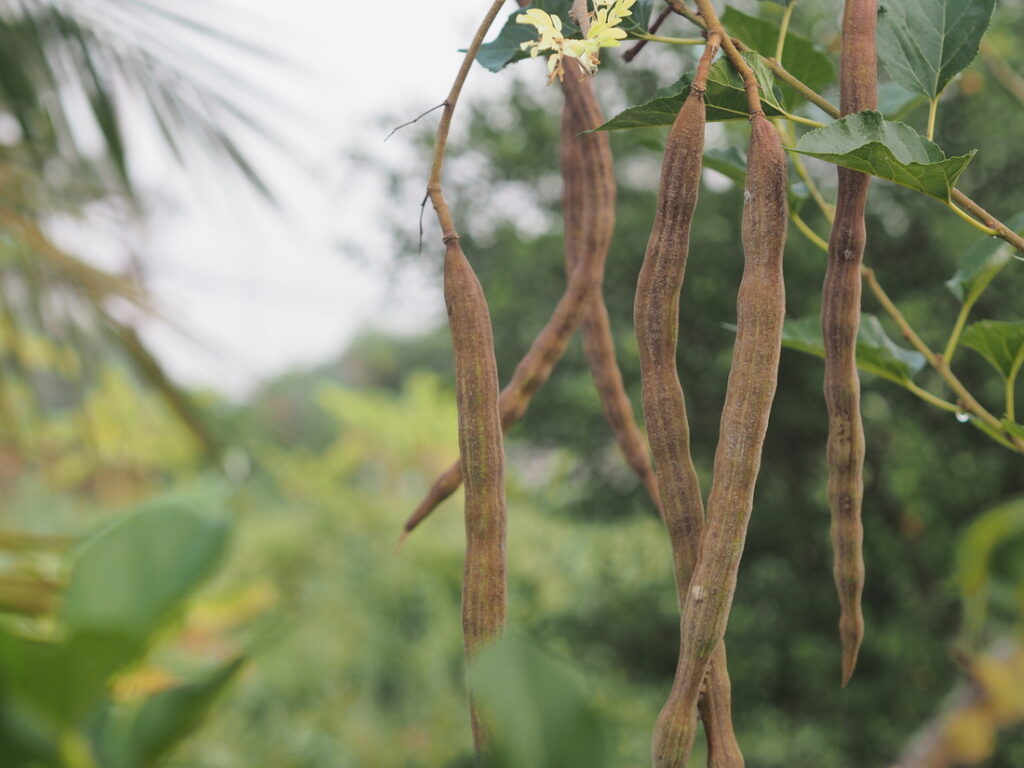
The study also reveals that different plant species cultivate distinct microbial communities, each enriched with unique enzyme families. For example, the rhizosphere of Moringa oleifera shows a different enzymatic profile compared to Abutilon fruticosum, highlighting how plant-microbe partnerships shape biochemical potential. For bioprocessing, this diversity could enable the selection of highly specific enzymes tailored to particular drug production needs.
Beyond protein modification, the identified enzymes are linked to the synthesis of key biomolecules such as cellulose, chitin, and β-glucans. These materials are already used in areas like drug delivery, wound care, and tissue engineering. Improving how they are produced through advanced bioprocessing could expand their applications and reduce manufacturing constraints.
Despite the promise, the researchers emphasize that their findings are based on computational analysis of genetic data. The real-world performance of these enzymes in industrial bioprocessing systems remains to be tested.
Still, the implications are significant. As pharmaceutical companies seek more sustainable and efficient ways to produce complex biologics, enzymes shaped by extreme environments might offer a powerful advantage. Instead of engineering solutions from scratch, scientists are increasingly uncovering them in nature—already optimized through evolution.
In this emerging vision of bioprocessing, the future of medicine might be shaped not only by cutting-edge technology but also by the resilient microbial ecosystems hidden beneath desert plants.