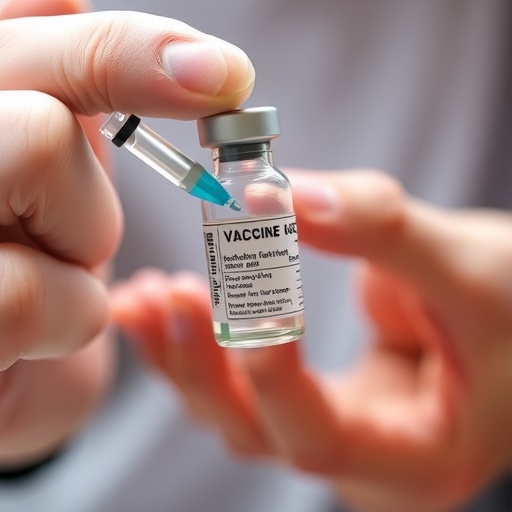
A Comprehensive Examination of Aluminium Adjuvants in Vaccines Reveals No Causal Link to Serious Health Conditions
In an extensive systematic review published today in The BMJ, researchers have delivered compelling evidence that aluminium salts used as adjuvants in vaccines do not cause serious or long-term health problems, including autism spectrum disorders, type 1 diabetes, or asthma. Despite widespread scrutiny over decades concerning vaccine safety, this latest synthesis of high-quality scientific data provides robust reassurance regarding the safety profile of aluminium-containing vaccine components.
Aluminium salts, such as aluminium hydroxide and aluminium phosphate, have been integral to vaccine formulations for over 80 years. Their role as adjuvants is to enhance and prolong the immune response to vaccine antigens, thereby improving vaccine efficacy against infectious diseases like diphtheria, tetanus, pertussis, hepatitis B, human papillomavirus (HPV), and meningococcal infections. However, persistent public and scientific inquiries about the potential for adverse health consequences have motivated an updated, rigorous evaluation of existing research data.
The team of researchers conducted a comprehensive search across multiple scientific databases, identifying randomized controlled trials (RCTs) and observational studies published up to November 27, 2025, that investigated health outcomes following exposure to aluminium adjuvants in licensed vaccines. Importantly, studies involving experimental or investigational vaccines were excluded to focus on evidence directly applicable to current immunization programs globally.
A total of 59 eligible studies were included, encompassing diverse outcome measures such as neurodevelopmental disorders like autism, respiratory conditions including asthma, musculoskeletal symptoms like myalgia, and local reactions such as nodules and granulomas at injection sites. Although study quality varied, the researchers meticulously assessed the reliability and risk of bias using standardized methodological tools to ensure credible conclusions.
High-quality evidence from multiple large-scale RCTs and well-powered observational studies consistently showed no statistically significant association between aluminium-adjuvanted vaccines and deleterious health outcomes. This consistency across different populations and methodological approaches strengthens the argument that these vaccine components are not implicated in the onset of autism, autoimmune diabetes, or chronic respiratory diseases.
Several smaller case series and a cohort study reported rare cases of macrophagic myofasciitis (MMF), a muscle disease characterized by specific inflammatory lesions, in individuals undergoing biopsies for musculoskeletal complaints post-vaccination. However, these studies were limited by small sample sizes and substantial risk of bias, precluding definitive causal inferences. Additionally, MMF remains an uncommon clinical observation with insufficient evidence to establish an etiological role for aluminium adjuvants.
The most frequent adverse events associated with aluminium adjuvants observed across studies were localized, persistent skin nodules or granulomas at the injection site. These reactions were generally mild, self-limiting, and infrequent, posing minimal clinical concern. Such local responses are consistent with known immunological mechanisms in which adjuvants provoke a localized immune activation to enhance systemic immunity.
The authors duly acknowledge limitations in the body of evidence, noting a relative scarcity of research dissecting the impact of individual vaccine components compared to whole vaccine assessments. Furthermore, a preponderance of studies originated from high-income countries, which may not fully capture diverse demographic or geographic variations. They emphasize the necessity for ongoing surveillance and research to monitor vaccine safety comprehensively.
Nonetheless, the collective high-quality data reaffirm that aluminium-adjuvanted vaccines are safe and should continue to be administered as part of routine immunization schedules. This conclusion aligns with previous post-licensure safety evaluations conducted worldwide by regulatory and public health authorities, affirming the critical role these vaccines play in preventing infectious diseases without compromising long-term health.
The investigators stress that rigorous, convergent findings from methodologically sound studies provide a reliable evidence base to guide public health policies and allay vaccine hesitancy fueled by misinformation regarding aluminium adjuvants. Transparent communication of such evidence is vital to maintaining and improving vaccination coverage and public trust.
As vaccine science evolves, it remains imperative to balance vigilant safety monitoring with evidence-based reassurances to the public. This systematic review contributes a landmark synthesis reinforcing that the decades-long use of aluminium salts in vaccines does not underpin feared but unsubstantiated health risks. Ongoing research and pharmacovigilance will continue to safeguard vaccine safety and public health globally.
In summary, the latest systematic review published in The BMJ robustly disproves causal links between aluminium adjuvanted vaccines and serious or chronic health conditions. Reinforced by a comprehensive analysis of 59 studies, encompassing randomized controlled trials and observational data, the findings underscore the favorable safety profile of these essential vaccine components across diverse populations and health outcomes.
Subject of Research: People
Article Title: Aluminium adjuvants in vaccines and potential health effects: systematic review
News Publication Date: 6-May-2026
Web References: http://dx.doi.org/10.1136/bmj-2025-088921
Keywords: Vaccine research, Vaccination, Aluminium adjuvants, Autism, Asthma, Type 1 diabetes, Macrophagic myofasciitis, Vaccine safety, Immunization programs, Randomized controlled trials, Observational studies, Public health
Tags: aluminium adjuvants in vaccinesaluminium hydroxide vaccine adjuvantsaluminium-containing vaccines and immune responseasthma and aluminium adjuvantsautism and vaccine ingredientslong-term health effects of vaccinespublic concerns about vaccine ingredientsrandomized controlled trials on vaccine adjuvantssystematic review of vaccine safetytype 1 diabetes vaccine researchvaccine efficacy with aluminium saltsvaccine safety and aluminium salts