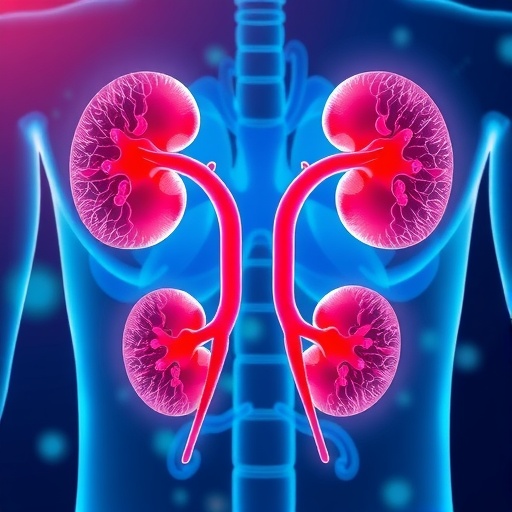
A new study is putting the spotlight on SIRT6, an often-overlooked regulator of gene activity, as researchers uncover how it may shape the biology of kidney disease. Published in Cell Death Discoveries, the work highlights “emerging roles” for SIRT6 itself and for compounds that modulate its activity, suggesting that this pathway could become a strategic target in treating diverse renal conditions.
SIRT6 belongs to the sirtuin family, proteins that respond to cellular stress and influence chromatin structure. In the kidney, where cells must continually balance metabolism, repair, and immune pressure, SIRT6 appears positioned at a critical junction. By coordinating chromatin-linked gene regulation, SIRT6 can affect processes such as inflammatory signaling, genomic stability, and cellular stress responses—factors that often converge during kidney injury.
The authors review evidence connecting SIRT6 to pathways relevant to renal degeneration. In particular, they describe how SIRT6 modulators may influence transcriptional programs that govern cytokine production and immune recruitment. This is significant because kidney disease is frequently not driven by a single insult, but by persistent signaling loops involving inflammation, oxidative stress, and maladaptive remodeling.
Beyond inflammation, the study emphasizes the importance of SIRT6 in maintaining cellular integrity. In damaged tissues, maladaptive proliferation and impaired DNA repair can accelerate dysfunction. SIRT6’s involvement in genome-protective mechanisms suggests that tuning its activity might shift cells away from chronic injury states.
The review also frames SIRT6 as a potential biomarker candidate, though the authors caution that translational relevance depends on how consistently SIRT6 activity correlates with disease stage and treatment response. Still, the emerging pattern is compelling: SIRT6 sits upstream of multiple disease-relevant outcomes, making it attractive for drug development.
Crucially, the work discusses SIRT6 modulators—not just the protein—because drug-like regulation will likely require precise control rather than broad pathway inhibition. Modulators could theoretically calibrate SIRT6-driven chromatin and stress programs to improve cellular resilience.
As kidney diseases continue to impose a growing health burden worldwide, the identification of actionable molecular regulators is urgent. By consolidating current mechanistic insights, this research sets the stage for experimental validation in disease models and for mapping which renal cell types are most responsive to SIRT6 modulation.
The bottom line: SIRT6 is emerging as a multifaceted regulator in kidney pathology, and its modulators may offer a route toward more targeted therapeutic strategies. With viral-style momentum building around sirtuin biology, this study could help catalyze the next wave of kidney-focused precision research.
Subject of Research: SIRT6 and its modulators in kidney diseases
Article Title: Emerging roles of SIRT6 and its modulators in kidney diseases.
Article References: Ren, F., Wang, Y., Zhang, Y. et al. Emerging roles of SIRT6 and its modulators in kidney diseases. Cell Death Discov. (2026). https://doi.org/10.1038/s41420-026-03264-y
DOI: https://doi.org/10.1038/s41420-026-03264-y
Tags: cellular stress responses in kidney injurychromatin regulation in renal injurycytokine regulation by SIRT6epigenetic targets for kidney disease treatmentgenomic stability and kidney repairimmune response modulation in renal diseasesoxidative stress and SIRT6 in nephrologyrole of sirtuins in kidney healthSIRT6 and inflammation in kidney pathologySIRT6 in kidney diseaseSIRT6 modulators for renal therapySIRT6 pathways in renal degeneration