In the relentless pursuit of novel therapeutic avenues to combat Parkinson’s disease, a groundbreaking study has emerged, spotlighting the striatal parvalbumin interneurons as a possible key to halting disease progression. The research, conducted by He, Wang, Zhang, and colleagues, introduces a paradigm shift in our understanding of Parkinson’s pathology and its potential modulation through targeted neuropharmacology. This exploration delves deep into the cellular circuitry of the striatum, emphasizing the critical yet understudied role of inhibitory interneurons that regulate motor function and, intriguingly, offer a new horizon for drug development.
Parkinson’s disease, characterized primarily by the degeneration of dopaminergic neurons in the substantia nigra, manifests with a progressive decline in motor abilities, including tremors, rigidity, and bradykinesia. Traditional therapeutic strategies have focused on dopamine replacement or mimicking its action; however, these approaches often do little to slow the underlying neurodegenerative process. This has prompted researchers to look beyond dopaminergic mechanisms, turning their attention to interneurons that fine-tune the striatal neuronal networks and maintain the delicate balance between excitation and inhibition—a balance disrupted in Parkinson’s disease.
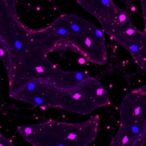
Striatal parvalbumin-positive interneurons (PV-INs) represent a specialized subset of GABAergic neurons characterized by fast-spiking activity and critical modulation of synaptic networks within the basal ganglia. These interneurons influence the output of medium spiny neurons (MSNs), the principal projection neurons of the striatum, which are divided into direct and indirect pathways that facilitate and inhibit movement, respectively. Disruption in this circuitry is central to Parkinsonian motor symptoms, making PV-INs compelling targets for intervention.
The hypothesis proposed by He and colleagues is audacious yet scientifically grounded: enhancing or modulating the activity of striatal PV-INs could restore basal ganglia output equilibrium, thus attenuating Parkinson’s progression. This concept challenges the conventional dopaminergic-centric framework and introduces a neurocircuitry-based therapeutic perspective, emphasizing interneuronal function over neurotransmitter replacement.
Supporting this hypothesis, the study meticulously maps the electrophysiological properties of PV-INs in rodent models of Parkinson’s disease, revealing significant alterations in firing rates and synaptic responsiveness prior to overt motor deficit onset. These early disturbances implicate PV-IN dysfunction as a potential biomarker and therapeutic entry point. Pharmacological agents selectively targeting PV-IN-associated ion channels and receptors were tested, demonstrating promising neuroprotective effects and improved motor performance in treated animals.
Central to the study’s appeal is the druggability of these interneurons. Unlike substantia nigra dopaminergic neurons, which are notoriously difficult to protect or regenerate, PV-INs possess ion channels and receptor systems that can be pharmacologically modulated with currently available or novel compounds. The authors identify several molecular targets, including specific subtypes of calcium channels and GABA-A receptor subunits unique to PV-INs, that could be exploited for high-precision intervention with minimal off-target effects.
Moreover, the research exemplifies the utility of advanced neuroimaging and optogenetic tools, allowing for precise dissection of striatal microcircuits in vivo. Through optogenetic stimulation and inhibition of PV-INs, the team demonstrated reversible modulation of motor behaviors correlated with changes in the excitatory-inhibitory balance, directly supporting the therapeutic value of these interneurons.
From a translational medicine standpoint, the implications are profound. Current Parkinson’s therapies largely address symptoms rather than disease modification. By shifting focus to the striatal microcircuitry and interneuronal regulation, this work lays a foundation for developing disease-modifying strategies that can be integrated into clinical protocols, potentially extending patient quality of life and slowing disability progression.
The study not only paves the way for new drug discovery pipelines but also enriches our conceptual framework of basal ganglia functioning. It underscores the importance of interneuronal populations, often overshadowed by principal neuronal types, as pivotal modulators of brain circuit pathology and promising therapeutic targets.
Critically, the research acknowledges the challenges ahead. The intricate heterogeneity of striatal interneurons, potential compensatory network adaptations, and species differences require thorough examination. The translation from rodent models to human clinical scenarios necessitates careful pharmacodynamic and pharmacokinetic profiling to ensure efficacy and safety.
Intriguingly, the modulation of striatal PV-INs could synergize with existing treatments, such as dopamine replacement therapies and deep brain stimulation (DBS), providing a multi-pronged approach that addresses motor symptoms and circuit dysfunction simultaneously. Future clinical trials may explore combinatorial protocols leveraging this strategy, potentially revolutionizing the treatment landscape.
Additionally, the investigation illuminates the broader principle of targeting microcircuit components in neurodegenerative disorders, encouraging similar approaches in Alzheimer’s disease, Huntington’s disease, and beyond. The concept of restoring inhibitory control within dysfunctional circuits could emerge as a universal strategy for neurological disease intervention.
The findings presented by He et al. are a clarion call to neuroscientists, pharmacologists, and clinicians alike, urging a reevaluation of therapeutic targets within Parkinson’s disease. By embracing the complexity of neural microcircuits and exploiting the plasticity of interneuronal populations, a new era of personalized and precise neurotherapeutics appears on the horizon.
In conclusion, the hypothetical druggability of striatal parvalbumin interneurons represents a promising and innovative frontier in Parkinson’s disease research. While substantial work remains to translate these insights into effective therapies, the conceptual breakthrough offers hope for interventions that not only alleviate symptoms but also decisively curtail disease progression, marking a pivotal advancement in neurodegenerative disease management.
Subject of Research: Striatal parvalbumin interneurons as therapeutic targets in Parkinson’s disease progression
Article Title: Braking Parkinson’s progression: the hypothetical druggable role of striatal parvalbumin interneurons
Article References:
He, Q., Wang, X., Zhang, X. et al. Braking Parkinson’s progression: the hypothetical druggable role of striatal parvalbumin interneurons. npj Parkinsons Dis. (2026). https://doi.org/10.1038/s41531-026-01303-0
Image Credits: AI Generated
Tags: basal ganglia circuitry in Parkinson’scellular mechanisms of Parkinson’s diseaseinhibitory interneurons and motor functioninterneuron modulation for Parkinson’s therapyneurodegeneration and interneuron balanceneuroprotective targets in Parkinson’snovel Parkinson’s disease treatmentsParkinson’s disease neuropharmacologyparvalbumin-positive GABAergic neuronsslowing Parkinson’s progression strategiesstriatal parvalbumin interneurons roletargeting striatal interneurons in Parkinson’s