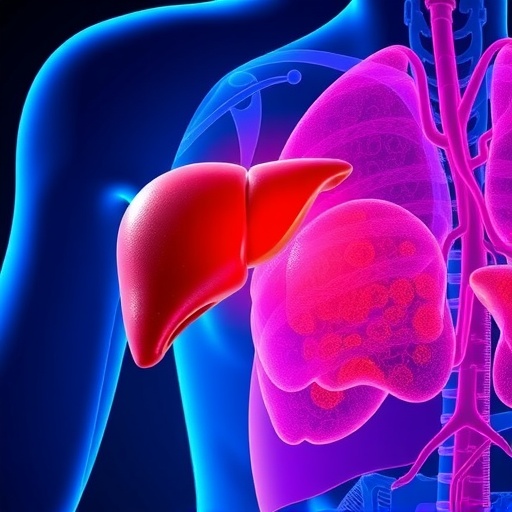
Chronic liver disease remains a formidable global health challenge, contributing to substantial morbidity and mortality through a cascade of pathological events culminating in cirrhosis and hepatocellular carcinoma (HCC). Traditionally, these two entities—cirrhosis and HCC—have been examined and managed as discrete clinical complications. However, evolving evidence underscores a profound interconnection mediated chiefly by portal hypertension, a hemodynamic abnormality that not only heralds cirrhosis decompensation but also critically shapes HCC prognosis and therapeutic options.
The intricate interplay between cirrhosis and HCC necessitates revisiting current clinical frameworks, which paradoxically address portal hypertension and tumor management in isolation. This dichotomy fosters suboptimal risk prediction and therapeutic stratification, compromising patient outcomes. Recognizing this gap, a new paradigm advocates for an integrated, stage-based approach that encapsulates the prognostic heterogeneity of cirrhosis and leverages clinically significant portal hypertension (CSPH) as a pivotal stratifying biomarker, especially within the compensated cirrhosis subset.
Clinically significant portal hypertension, defined by a hepatic venous pressure gradient (HVPG) threshold of ≥10 mmHg, has emerged as a robust harbinger of cirrhosis-related complications. The pathophysiology of CSPH entails increased intrahepatic resistance and splanchnic vasodilation, culminating in heightened portal venous pressure and subsequent complications such as variceal bleeding, ascites, and hepatic encephalopathy. Moreover, the presence of CSPH significantly constrains curative options like hepatic resection due to elevated perioperative risk and impaired hepatic reserve.
Historically, direct HVPG measurement has been the gold standard for diagnosing CSPH. However, the invasive nature and limited availability of HVPG assessment have propelled the development and adoption of non-invasive surrogate modalities. Current non-invasive diagnostic tools, including liver stiffness measurement via elastography and platelet count, have revolutionized the assessment landscape. These tools, validated extensively in compensated cirrhosis, are now gaining traction within HCC populations, heralding potential paradigm shifts in clinical practice.
Critically, burgeoning data suggest that non-invasive methods may not only rival but eventually supplant HVPG alongside its traditional auxiliary surrogates such as endoscopic evaluation and imaging in patients harboring HCC. This evolution promises more accessible and repeatable assessments, facilitating dynamic monitoring and refined prognostication. Such advancements align seamlessly with the growing impetus toward precision medicine in hepatology.
Integrating the complexities of cirrhosis stages—compensated with or without CSPH, decompensated, and further decompensated—with the spectrum of HCC stages ranging from very early to advanced, allows clinicians to tailor management strategies intricately. This comprehensive framework underscores the necessity to consider liver functional reserve and portal hypertension status in conjunction with tumor characteristics, to optimize treatment sequencing and outcomes.
In the compensated cirrhosis stage devoid of CSPH, patients often maintain adequate hepatic reserve allowing for curative HCC therapies, including resection, ablation, or transplantation candidacy. Conversely, the presence of CSPH often precludes surgical resection due to significant perioperative morbidity and mortality risks. Here, ablative techniques or liver transplantation become more favorable, contingent upon tumor burden and liver function.
Decompensated cirrhosis introduces further complexity. This stage, marked by clinically overt complications such as ascites, variceal hemorrhage, or hepatic encephalopathy, notably diminishes therapeutic windows for HCC. The high-risk profile mandates careful balancing of treatment benefit versus iatrogenic deterioration. Interventions tend to pivot towards palliation and prioritization of liver transplantation where feasible.
Further decompensation, embodying refractory or recurrent complications, frequently limits options to best supportive care or clinical trials exploring novel systemic or loco-regional therapies. Here, disease trajectory and patient-centered goals of care assume precedence. Importantly, this underscores the critical need for earlier integrated assessment of portal hypertension to prevent or delay progression to this stage.
The emerging stage-based integrated model advocates for routine non-invasive CSPH assessment in all HCC patients with cirrhosis. This contrasts with historical models primarily focused on tumor staging alone. Such nuanced stratification influences therapeutic eligibility, potential for cure, and risk of procedure-related complications, thereby optimizing individual patient pathways.
Moreover, risk stratification based on portal hypertension status facilitates more accurate prognostication. Studies have correlated CSPH presence with diminished survival, independent of tumor burden, cementing its role as a vital prognostic determinant. In clinical trials, stratifying patients by combined cirrhosis-HCC staging and CSPH status may uncover differential therapeutic responses and guide future drug development.
Future research trajectories emphasize robust validation of non-invasive CSPH metrics specifically within HCC populations. Prospective outcome trials stratified by these integrated stages are imperative to refine guidelines, synthesize best practice algorithms, and ultimately elevate patient care standards. The prospective horizon holds promise for personalized medicine paradigms that holistically address the liver-tumor axis.
In conclusion, the confluence of cirrhosis and hepatocellular carcinoma hinges significantly on the evolving comprehension and clinical utilization of portal hypertension dynamics. Transitioning to a stage-based, integrated management strategy that incorporates cutting-edge non-invasive portal hypertension assessments stands to revolutionize risk stratification and therapeutic decision-making. This approach not only aligns with biological understanding but also addresses long-standing gaps in clinical practice, offering hope for improved survival and quality of life for patients navigating the complex interplay of chronic liver disease and liver cancer.
Subject of Research: Cirrhosis, portal hypertension, and hepatocellular carcinoma with focus on integrated, stage-based management strategies.
Article Title: Cirrhosis, portal hypertension and hepatocellular carcinoma: a stage-based approach.
Article References:
Allaire, M., Taddei, T., Thabut, D. et al. Cirrhosis, portal hypertension and hepatocellular carcinoma: a stage-based approach. Nat Rev Gastroenterol Hepatol (2026). https://doi.org/10.1038/s41575-026-01209-5
Image Credits: AI Generated
Tags: chronic liver disease progressioncirrhosis complications and managementcirrhosis decompensation biomarkersclinically significant portal hypertension (CSPH)hepatic venous pressure gradient (HVPG) measurementhepatocellular carcinoma (HCC) prognosisintegrated cirrhosis and HCC treatmentliver cancer therapeutic strategiesportal hypertension and liver cancer linkportal hypertension pathophysiologyrisk stratification in liver diseasevariceal bleeding and portal hypertension