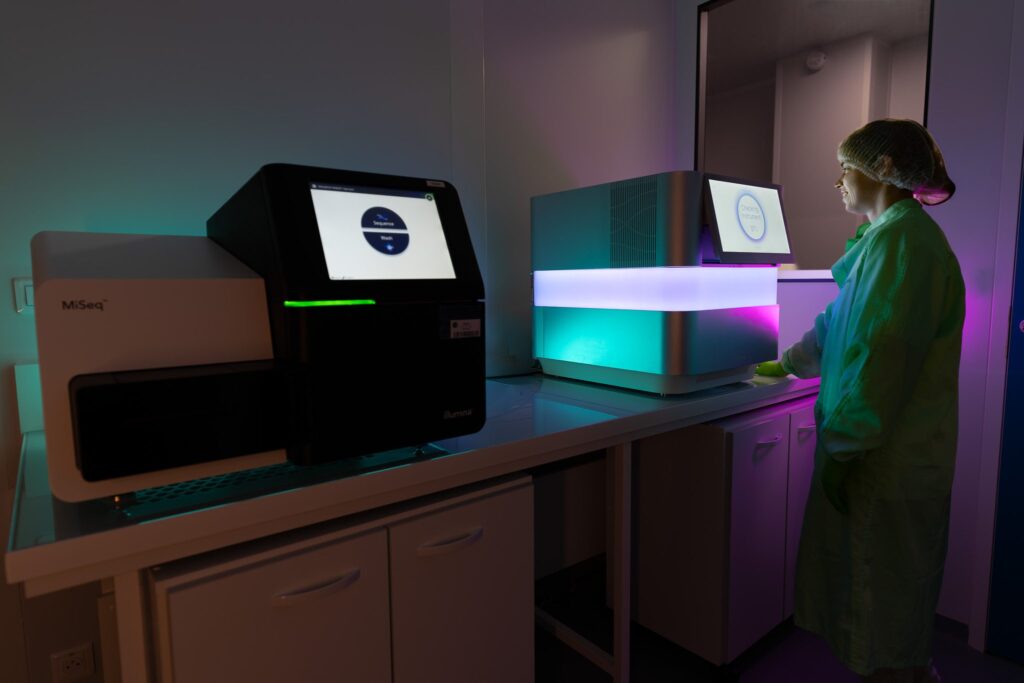
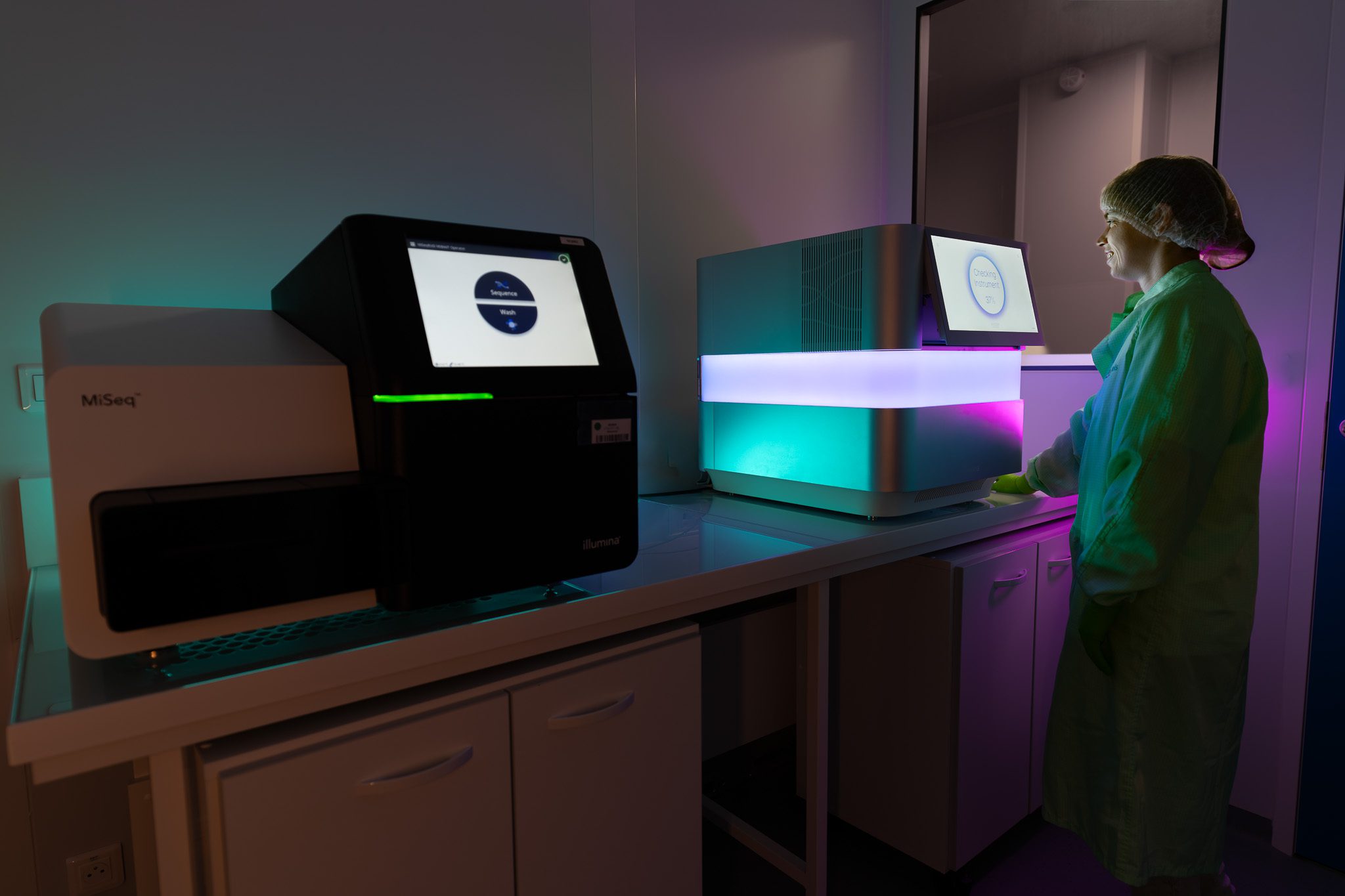
France-based Clean Cells launched its next-generation sequencing (NGS)-based safety testing for viral matrices, such as viral vectors and recombinant preparations. The company also announced that it had acquired French bioinformatics CRO Xegen, which specializes in NGS data analysis.
The acquisition is to help consolidate, develop, and secure Clean Cells’ bioinformatics capabilities to support every NGS method and de-risk the most technically complex part of the workflow, according to Clean Cells CEO Laurent Claisse, who added that a secured bioinformatics backbone, the most critical part of NGS, means reliable, auditable data handling.
Xegen co-founder and CEO, Julien Paganini, PhD, will join Clean Cells as expert project manager of bioinformatics, analytical methods development, and validation, along with his team of two staff.
“With the launch of our NGS viral safety testing and the acquisition of Xegen’s Next-Generation Sequencing bioinformatics expertise, we provide a strong and secure analytical pipeline, with greater control of the full workflow from sample to interpreted result. We can provide our international clients with a more integrated NGS offering to support key questions from identity to viral safety,” said Claisse.
“Sequencing is the technology but turning it into a quality control solution involves much more than simply generating reads. It requires a robust analytical strategy to transform complex data into interpretable, traceable and regulatory-ready results. By joining Clean Cells, we can combine our established bioinformatics structure and deep expertise with its laboratory and regulatory capabilities to build a fully integrated solution and make NGS a powerful and practical tool for quality control in regulated environments,” added Paganini.
A Clean Cells official pointed out that this new offering comes at a critical time, as European regulatory frameworks are making NGS increasingly relevant in checking that biologic medicines are not contaminated with unwanted viruses. Clean Cells’ strategic move strengthens its position in the viral safety testing market in step with European regulations, notably ICH Q5A(R2) (2024) and European Pharmacopoeia chapter 2.6.41, which are accelerating NGS adoption from a niche technology to a mainstream viral safety testing tool, explained Elodie Ribert, R&D deputy director, head of analytical development and validation.
“The regulatory ground has shifted. With ICH Q5A(R2) and European Pharmacopoeia chapter 2.6.41, NGS is now a recognized route for adventitious virus detection. It answers a real problem for viral matrices, where classical assays struggle because no anti-serum exists,” said Ribert. “The sequencing alone is not the whole story. A signal still must be investigated and confirmed, and that is where having the full quality control panel alongside it makes a difference.”
Going forward, Clean Cells states that it will extend the validated NGS viral safety method from acellular viral matrices to cell banks (MCB/WCB), a process currently in progress. It will also build additional viral safety expert capacity and business development enablement.