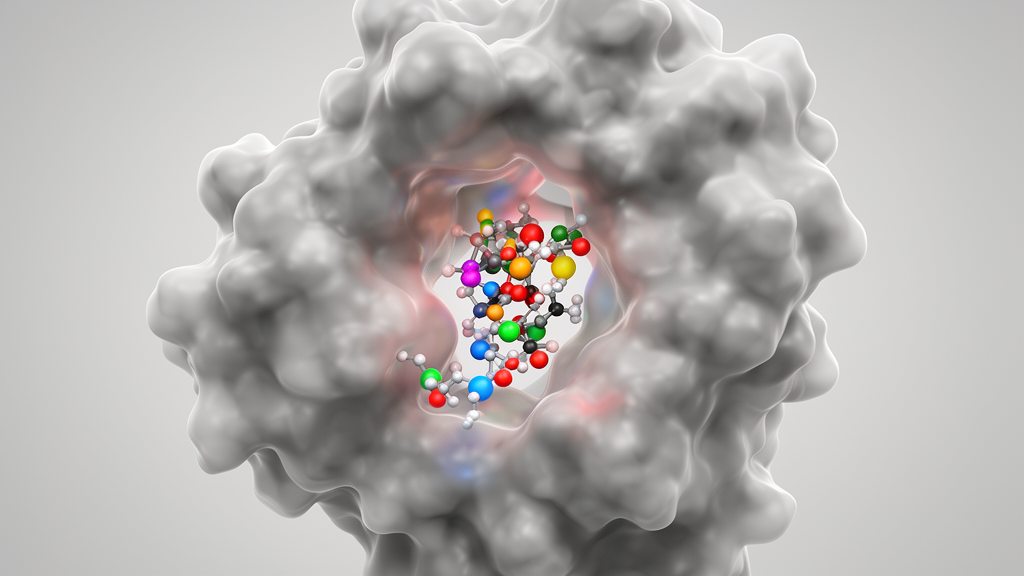
A recent study has identified novel eugenol-derived esters as potent, environmentally compatible alternatives to synthetic organophosphate insecticides. Researchers systematically evaluated these derivatives using an integrated approach combining computational molecular modeling and laboratory biological testing. The investigation focused on the insecticidal potential of eugenol-based molecules against acetylcholinesterase, a critical enzyme involved in cholinergic neurotransmission. By comparing these compounds against the widely used organophosphate malathion, the research team demonstrated that structural modification of eugenol through esterification significantly enhances binding affinity within the acetylcholinesterase catalytic gorge. These findings offer a potential pathway toward more sustainable pest management practices that minimize environmental persistence and toxicity to non-target organisms while maintaining effective control over economically damaging pests like the mealybug, Planococcus citri.
The global demand for safer alternatives to synthetic insecticides is driven by urgent environmental and agricultural concerns, including the development of pest resistance, bioaccumulation, and toxicity toward non-target species. Biopesticides, which include compounds derived from plants, offer a promising solution to these challenges, as they generally exhibit lower environmental persistence and safer toxicological profiles compared to conventional pesticides. Eugenol, a plant-derived phenylpropanoid found in clove essential oil, has long been recognized for its broad-spectrum insecticidal properties; however, its application in field settings is often limited by high volatility, sensitivity to photodegradation, and restricted bioavailability. The research presented here aims to overcome these inherent limitations through computational structural modification, identifying candidates with optimized binding efficiency and environmental safety profiles suitable for agricultural deployment.
The researchers began their study by selecting six eugenol derivatives—eugenol valerate, eugenol isovalerate, 2-methoxy-4-propylphenol, chloroeugenol, 4-allyl-2-methoxy-4-nitrophenol, and 6-bromo-4-allyl-2-methoxyphenol—to evaluate their efficacy as acetylcholinesterase (AChE) inhibitors. Using the PyRx virtual screening tool and the AutoDock Vina algorithm, the team conducted molecular docking simulations against the crystal structure of acetylcholinesterase from Drosophila melanogaster. This methodology allowed the researchers to predict the binding potential of each compound by calculating binding energies within the enzyme’s catalytic gorge. The docking results revealed that eugenol valerate and eugenol isovalerate exhibited stronger binding affinities than the reference insecticide malathion. Specifically, eugenol valerate showed a binding energy of –7.4 kcal·mol⁻¹, and eugenol isovalerate showed –7.0 kcal·mol⁻¹, both outperforming malathion, which recorded a binding affinity of –6.7 kcal·mol⁻¹.
To validate the stability of these protein–ligand complexes under physiological conditions, the study team subjected the top-performing derivatives and the malathion control to 100 ns all-atom molecular dynamics (MD) simulations using the GROMACS package. This analysis provided critical insights into the conformational stability and interaction persistence of the compounds. The eugenol isovalerate–AChE complex demonstrated remarkable stability, with an average root mean square deviation (RMSD) of 0.13 ± 0.01 nm, while the eugenol valerate complex showed an RMSD of 0.15 ± 0.01 nm, both showing greater stability than the malathion–AChE control, which exhibited an RMSD of 0.18 ± 0.02 nm. These dynamic metrics, supported by evaluations of radius of gyration and solvent-accessible surface area, confirmed that the eugenol derivatives maintained structural integrity within the enzyme active site throughout the simulation period, reinforcing their potential as stable biopesticidal candidates.
To provide biological validation, the team conducted a Petri-plate leaf exposure experiment using the mealybug Planococcus citri as a model pest. The study compared an emulsion of 1% w/v eugenol against a 250 mg L⁻¹ concentration of malathion. The results revealed distinct time-dependent differences in insecticidal efficacy. Eugenol demonstrated a rapid onset of activity, achieving 60% mortality within the first 24 hours of exposure, compared to just 20% mortality for malathion. By the 48-hour mark, both treatments reached 100% mortality in the test population. Kaplan–Meier survival analysis showed that both treatments significantly reduced survival compared to the control, but no statistically significant difference was detected between eugenol and malathion.
In parallel, the researchers examined the biochemical mechanism of action through an in vitro acetylcholinesterase inhibition assay. Using the Ellman colorimetric method, they measured the concentration-dependent inhibition of AChE activity for both eugenol and malathion. Malathion showed stronger direct enzyme inhibition, with a calculated IC₅₀ of 2.25 mM, reflecting its established role as an irreversible inhibitor through covalent phosphorylation. Eugenol, by contrast, exhibited moderate inhibitory activity with an IC₅₀ of 12.18 mM. This difference suggests that while malathion targets the enzyme through a covalent mechanism, the insecticidal efficacy of eugenol is primarily mediated through reversible interactions within the enzyme’s catalytic gorge, potentially reducing the risks of long-term environmental neurotoxicity associated with traditional organophosphate residues.
The study highlights a significant observation regarding the discrepancy between isolated enzyme inhibition potency and whole-organism insecticidal speed. Although malathion is a more potent direct inhibitor of the enzyme in vitro, eugenol’s rapid mortality in leaf exposure assays is likely linked to its favorable toxicokinetic properties. The smaller molecular size and moderate lipophilicity of eugenol facilitate more efficient penetration through the waxy insect cuticle and diffusion across biological membranes compared to the larger, more complex structure of malathion. This rapid penetration, combined with possible secondary neurophysiological effects, likely accelerates toxicological onset in vivo, compensating for the compound’s comparatively weaker direct inhibitory potency at the enzyme level.
To further assess suitability for agricultural use, the researchers performed in silico ADME (Absorption, Distribution, Metabolism, and Excretion) profiling using the SwissADME web tool. Both eugenol valerate and eugenol isovalerate demonstrated optimal physicochemical characteristics for a pesticide candidate, including balanced lipophilicity with consensus Log P values between 3.49 and 3.65 and low topological polar surface area (TPSA ≈ 35.53 Ų). Analysis through the BOILED-EGG model predicted that these derivatives possess high intestinal absorption potential but limited blood–brain barrier accumulation, an ideal profile for systemic insect toxicity that minimizes the risk of disproportionate environmental central nervous system impact. Furthermore, the compounds satisfied standard property-based filters, including Lipinski, Ghose, Veber, and Muegge criteria, and showed no Pan-Assay Interference Compounds (PAINS) alerts, supporting their chemical reliability and suitability as safe biopesticide candidates.
The study concludes that eugenol-based esterification represents a robust strategy for developing novel biopesticidal scaffolds that maintain favorable ADME and safety profiles. By enhancing ligand–enzyme complementarity, rational structural modification allows for potent and effective target-binding even without the reactive moieties characteristic of conventional organophosphates. This mechanistic distinction suggests that eugenol-based agents could potentially allow for partial enzymatic recovery in non-target organisms, offering a sustainable advantage over standard synthetic pesticides. The integration of computational prioritization with experimental validation provides a robust foundation for identifying lead molecules, with eugenol valerate emerging as a particularly promising scaffold for further formulation and large-scale agricultural development.
Future directions for this research involve expanding the scope of toxicological assessments to include a wider range of non-target organisms, including beneficial insects and soil microfauna, to confirm selective ecological compatibility. Another critical area for future investigation is the development of advanced delivery systems, such as biopolymer-based encapsulation, which could enhance the environmental persistence, stability, and controlled release of these eugenol derivatives. Optimization of these formulations, including parameters such as the degradation rate and cross-linking time, will be essential for translating these laboratory findings into practical field applications. The ongoing focus on synthesizing and characterizing these green formulations aims to provide an environmentally responsible, long-term solution for managing agricultural pests, addressing the critical global need for sustainable and effective agricultural inputs.
Subject of Research: Development of eugenol-based biopesticides targeting insect acetylcholinesterase activity.
Article Title: Eugenol-based derivatives as potential acetylcholinesterase-targeting biopesticides: an integrated in silico and in vitro study
Article References: Pavithran, R. K., Reddy, S. G., Kumar, B. S., & Kugabalasooriar, S. (2026). Eugenol-based derivatives as potential acetylcholinesterase-targeting biopesticides: an integrated in silico and in vitro study. Journal of the Saudi Society of Agricultural Sciences, 25(7), Article 102. https://doi.org/10.1007/s44447-026-00190-4
Image Credits: AI Generated
DOI: 10.1007/s44447-026-00190-4
Keywords: Acetylcholinesterase, Biopesticides, Eugenol, Molecular Docking, Molecular Dynamics Simulations, Insecticidal Activity, Planococcus citri, Mealybugs, Organophosphate Alternatives, In Silico ADME, Sustainable Agriculture, Phenylpropanoids, Structural Modification, Esterification, Cholinergic Neurotransmission, Pesticide Resistance, Green Chemistry, Chemical Ecology, Toxicity Profiling