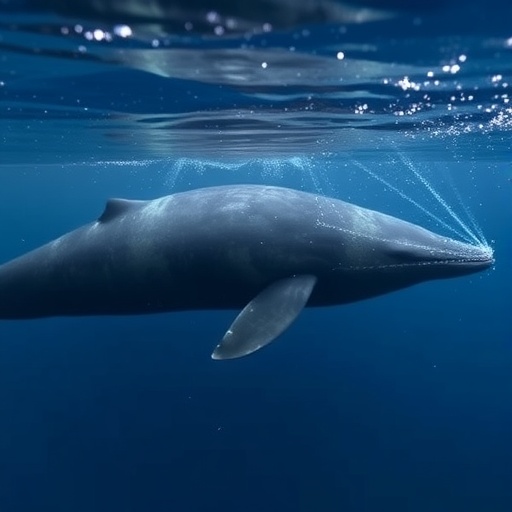
The endangered Black Sea harbour porpoise (Phocoena phocoena relicta) is confronting an urgent and escalating threat to its survival, as bycatch in fishing operations continues to claim thousands of individuals annually. Distinguished as Europe’s smallest marine mammal, this vulnerable subspecies inhabits a restricted habitat in the Black Sea, an ecosystem characterized by significant ecological pressures and limited avenues for species dispersal. The most severe impact comes from the intensive turbot fishery, a bottom-set gillnet fishery whose practices, though economically vital, have resulted in profound and often lethal interactions with marine mammals.
Bycatch, the incidental capture of non-target species in fishing gear, represents a leading anthropogenic cause of mortality for the Black Sea harbour porpoise population. Recent quantitative assessments have estimated that over 10,000 porpoises perish each year in this fishery alone — numbers that starkly highlight the precariousness of this population and underline the necessity for immediate and effective mitigation strategies. This dire scenario has catalyzed a team of Bulgarian scientists to embark on a pioneering, comprehensive field study aimed at identifying practical solutions to reduce porpoise mortality associated with fishing activities.
Over four years, researchers conducted field trials encompassing 57 distinct hauls, rigorously evaluating the prevalence and magnitude of porpoise bycatch and testing the efficacy of various acoustic deterrent devices, known colloquially as pingers. Their work, recently published in the peer-reviewed journal Nature Conservation, documented the presence of bycatch in 61% of all recorded fishing hauls. Remarkably, the total cetacean bycatch amounted to 189 individuals, with harbour porpoises comprising the overwhelming majority (182), alongside a smaller number of bottlenose (five) and common dolphins (two).
Initial trials with two earlier pinger models yielded disappointing results; these devices failed to significantly reduce the incidence of porpoise bycatch. Such setbacks were instructive, indicating that not all acoustic deterrents are universally effective across different ecological and fisheries contexts. These early findings motivated the research team to explore alternative technological solutions, culminating in the testing of the PAL Wideband pinger, an innovative acoustic device engineered in Germany. Distinguished by its capacity to emit signals across a broader range of frequencies, specifically between 10 and 150 kHz, this pinger demonstrated a markedly improved performance during subsequent field applications.
Application of the PAL Wideband pinger during fishing operations revealed a substantial reduction in harbour porpoise bycatch, with an approximate decline of 74% documented. This breakthrough underscores the critical role of acoustic signal parameters — particularly frequency bandwidth and signal complexity — in influencing the deterrence efficacy for marine mammals. The wider frequency band emitted by the PAL Wideband model likely enhanced porpoises’ behavioral avoidance responses, effectively reducing their risk of entanglement in fishing nets. This differentiation in device performance is pivotal, as it guides the targeted deployment of mitigation technologies in areas with significant cetacean bycatch risks.
This study extends a pressing reminder conveyed by recent literature: conservation efforts to protect harbour porpoise populations across Europe face significant challenges, particularly due to bycatch-related mortalities from gillnet fisheries. Consequently, the research highlights a critical need for integrating multifaceted bycatch reduction strategies that encompass spatial and temporal fishery closures, gear modifications, and the adoption of proven acoustic deterrents. The synergistic application of these approaches could help alleviate human pressures while fostering a sustainable coexistence between fisheries and marine biodiversity.
Mitigation through spatio-temporal closures involves designating fishery-free periods or zones in areas of high porpoise density, effectively providing temporal refuges and reducing direct interactions during critical habitat use or breeding periods. Parallel to this, alternative fishing gear designs and deployment strategies are being explored to minimize entanglement risks while maintaining target species catchability. However, among these tools, the deployment of effective acoustic deterrent devices remains one of the most feasible, least disruptive, and widely acceptable technological options available to fishers and conservationists alike.
Despite the promising results of the PAL Wideband pinger, the researchers caution that the success of acoustic deterrents is highly device-specific. Testing revealed that the other two commercially available models did not reliably reduce bycatch in turbot fisheries, underscoring the need for careful device selection, comprehensive field validation, and consideration of local ecological variables. Such scrutiny ensures that mitigation strategies are both scientifically robust and practically implementable, tailored to the specific behavioral ecology of the species involved and the operational parameters of the fisheries.
Beyond the scope of device efficacy, the study emphasizes the importance of establishing financing and incentivization frameworks to facilitate the broad-scale adoption of acoustic deterrents. Without adequate support mechanisms, including subsidies, policy mandates, or market-based incentives, the uptake of these technologies may remain limited, particularly in economically constrained communities reliant on fisheries. Integrating conservation objectives with fishery economics will be crucial to achieving durable bycatch reduction and supporting the recovery of the critically endangered Black Sea harbour porpoise population.
Moreover, the study contributes crucial data to the wider scientific discourse on harbour porpoise conservation, advancing opportunities to refine management interventions across the Black Sea ecosystem. Its findings resonate beyond regional boundaries, informing the global scientific community about the complexities of mitigating bycatch in multispecies fisheries and the imperative to innovate adaptive, context-appropriate solutions. This research is an important step toward bridging experimental science with pragmatic conservation policy and fisheries management.
The need for such targeted research remains urgent given the accelerating pace of marine ecosystem changes driven by human activities and climate change. Species such as the Black Sea harbour porpoise serve as sentinels for ecosystem health, and their decline may presage broader environmental degradations. Integrative approaches that combine technological innovation, fisheries management, stakeholder engagement, and policy reform represent the best path forward to securing a sustainable future for this emblematic species.
In conclusion, the Bulgarian research team’s rigorous trial work not only provides compelling evidence for the selective use of advanced acoustic deterrent devices but also reinforces a broader conservation message: mitigating bycatch in the Black Sea turbot fishery requires a holistic, evidence-based, and multifaceted strategy. Such efforts are essential to preventing the extinction of Europe’s smallest marine mammal and maintaining the ecological balance of the Black Sea’s unique marine habitats.
Subject of Research: Bycatch mitigation of the endangered Black Sea harbour porpoise in fisheries through acoustic deterrent devices.
Article Title: Can pingers mitigate the bycatch of the endangered Black Sea Harbour Porpoise?
News Publication Date: 6-Mar-2026
Web References:
Article DOI: 10.3897/natureconservation.63.183768
Nature Conservation Journal: https://natureconservation.pensoft.net/
References:
Popov D, Meshkova G, Dimitrov H, Panayotova M (2026) Can pingers mitigate the bycatch of the endangered Black Sea Harbour Porpoise? Nature Conservation 63: 1-15.
Image Credits: Credit: Dimitar Popov
Keywords
Black Sea harbour porpoise, Phocoena phocoena relicta, bycatch mitigation, acoustic deterrent devices, pingers, gillnet fisheries, turbot fishery, marine mammal conservation, fisheries management, cetacean bycatch, biodiversity protection, acoustic signals, marine ecosystem.
Tags: acoustic deterrent devices in fisheriesanthropogenic mortality of porpoisesBlack Sea ecosystem threatsBlack Sea harbour porpoise bycatch reductionBulgaria marine conservation researchbycatch mitigation strategiesendangered marine mammals conservationfishing gear modifications to save porpoisesmarine biodiversity preservation in Black SeaPhocoena phocoena relicta protectionsustainable fishing practices to reduce bycatchturbot gillnet fishery impact