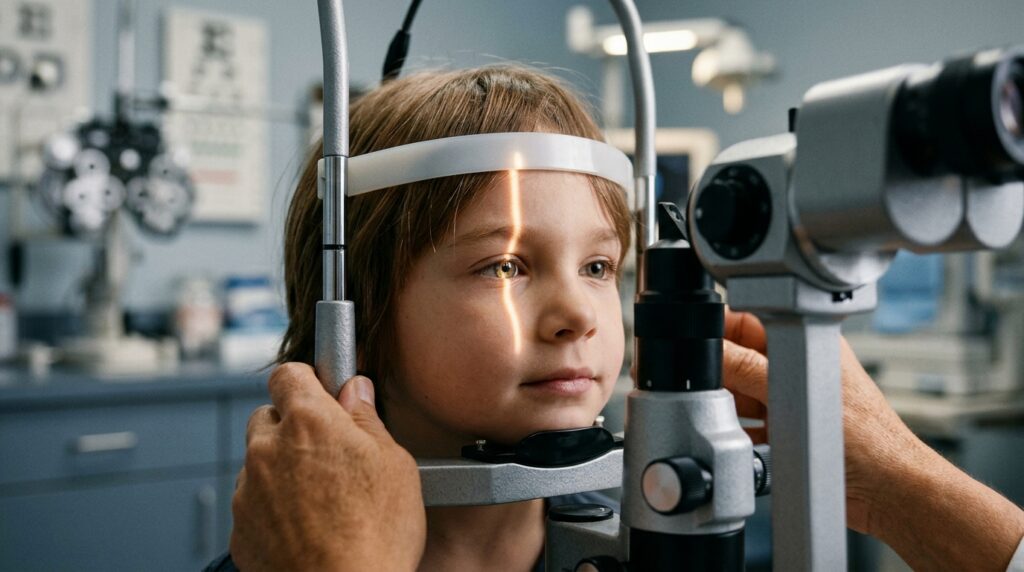
Adalimumab treatment is associated with a lower occurrence of ocular complications in patients with juvenile idiopathic arthritis-related uveitis, though complications continue to occur despite the availability of biologic therapies. In a retrospective study evaluating clinical outcomes, 52 percent of patients who did not develop ocular complications used adalimumab, compared to 9 percent among those with complications. Furthermore, higher-grade inflammation and high SUN grading at the time of uveitis diagnosis were related to ongoing and forthcoming ocular complications.
Juvenile idiopathic arthritis-related uveitis affects nearly one quarter of patients with juvenile idiopathic arthritis and can ultimately be a sight-threatening comorbidity. Ocular complications are common in this condition and are associated both with active inflammation and with the use of topical steroids. The investigation was designed to evaluate the occurrence of ocular complications, assess their relationship with used medications, and identify potential risk factors.
The study was conducted as a real-life, non-experimental investigation that included all consecutive patients with juvenile idiopathic arthritis-related uveitis attending the paediatric rheumatologic clinic in the Hospital District of Helsinki and Uusimaa from 2015 to 2022. Patient data were collected and analysed retrospectively from electronic patient records and BCB Medical’s quality register, resulting in a final analytical cohort of 71 patients.
During a median follow-up time of 2.9 years, 62 percent of the patients had ocular complications. The mean age at uveitis diagnosis was 4.5 years among patients who developed complications, compared to 5.9 years among those without complications. In addition, a shorter time between arthritis diagnosis and uveitis diagnosis was associated with the occurrence of ocular complications.
Cumulative events of complications were associated with topical corticosteroid use, and the length of topical corticosteroid use appeared to be related to the occurrence of complications. Alongside the observed protective effect of adalimumab, the findings emphasise the importance of appropriate systemic medication. The authors concluded that treatment and follow-up require structured protocols and close cooperation between paediatric rheumatologists and ophthalmologists.
Subject of Research: Risk factors and medication associations for ocular complications in juvenile idiopathic arthritis-related uveitis
Article Title: Ocular complications in JIA-related uveitis: risk factors and relationship with medication
Article References: Mikola, K., Leinonen, S., Kautiainen, H., Levälampi, T., Rebane, K., & Aalto, K. (2026). Ocular complications in JIA-related uveitis: risk factors and relationship with medication. Advances in Rheumatology. https://doi.org/10.1186/s42358-026-00577-5
Image Credits: AI Generated
DOI: 10.1186/s42358-026-00577-5
Keywords: juvenile idiopathic arthritis, uveitis, ocular complications, adalimumab, corticosteroids, pediatric rheumatology, ophthalmology, SUN grading, Ocular, complications, JIA-related, risk