In an unprecedented in-depth analysis spanning eight years, researchers have shed light on the usage patterns of anti-cytomegalovirus (CMV) treatments among one of the most vulnerable neonate populations: very low birth weight (VLBW) infants in the United States. These infants, typically weighing less than 1500 grams at birth, face a heightened susceptibility to CMV infections, which can be congenital or acquired postnatally, leading to significant morbidity and mortality. Despite the recognized risks, precise data tracking the clinical application of anti-CMV medications in neonatal intensive care units (NICUs) has remained elusive—until now.
The retrospective study, covering the period from 2016 through 2023, utilized a comprehensive national database encompassing hundreds of NICUs across the U.S. By mining this robust dataset, the investigators aimed to delineate the real-world utilization trends of anti-CMV pharmacotherapies, thereby providing critical insights into current clinical practice and highlighting areas in need of guideline refinement. This timeline included several eras of evolving antiviral agents and variable treatment paradigms, offering a panoramic view of changing clinical approaches.
CMV poses a formidable challenge in neonatal medicine because it can silently transmit from mother to fetus or be acquired through breast milk or blood transfusions after birth. In VLBW infants, whose immune systems are immature, CMV infection can be devastating, causing neurodevelopmental delays, hearing loss, and even fatal complications. The urgency to devise and apply effective antiviral treatments is therefore paramount. However, concerns about the toxicity and adverse effects of these medications have historically tempered their widespread use, leading to clinical equipoise and variability in treatment decisions.
This extensive observational study reveals that while the overall utilization rates of anti-CMV active medications in VLBW infants remain relatively low, there has been a gradual uptick in their prescription over the years. Early in the study period, prescriptions were sporadic and largely reserved for severe or symptomatic cases. By contrast, recent years exhibit a cautious but discernible trend toward preemptive or empiric therapy, reflecting increasing confidence in antiviral safety profiles and mounting evidence supporting early intervention.
Among the antiviral agents observed, ganciclovir and its oral prodrug valganciclovir dominated usage, consistently representing the backbone of anti-CMV regimens. Their established efficacy against CMV, coupled with growing clinical experience, underpins their preferential use in the NICU setting. Other antivirals like foscarnet and cidofovir appeared infrequently, often limited by their toxicity profiles or reserved for resistant infections, underscoring the delicate balance clinicians must maintain between therapeutic benefit and potential harm.
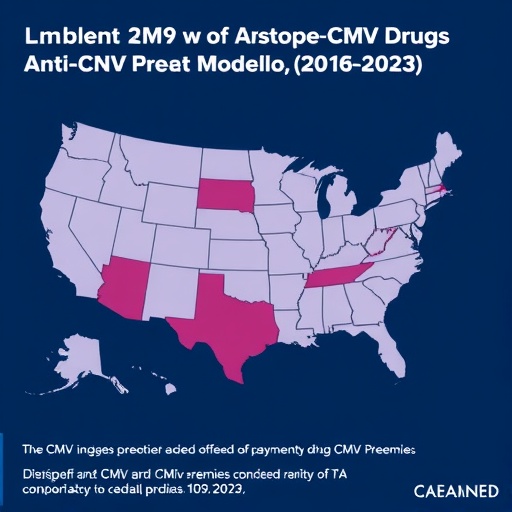
Intriguingly, the data also pointed to pronounced geographic variability within the U.S., with some regions displaying markedly higher utilization rates of anti-CMV treatments than others. These discrepancies may reflect divergent institutional protocols, differing levels of clinician awareness, or local prevalence rates of CMV infection. Identifying and understanding these regional patterns could guide future educational initiatives and policy frameworks to standardize care and optimize outcomes nationally.
The findings have far-reaching implications for neonatal healthcare providers, researchers, and policymakers alike. For clinicians, the study reinforces the necessity of vigilant CMV screening protocols among VLBW infants to promptly identify candidates for antiviral therapy. Given the subtlety with which CMV infection can manifest, emphasis on diagnostic acuity is essential to avoid missed opportunities for timely treatment. This data may also prompt NICU teams to re-evaluate their antiviral prescribing thresholds and consider harmonizing practices with emerging evidence.
From a research perspective, the study opens avenues for more targeted investigations into optimizing dosing strategies, reducing drug-related toxicities, and exploring novel therapeutic agents with improved safety profiles tailored to the fragile physiology of VLBW neonates. Additionally, longitudinal studies following infants treated with antivirals could illuminate the long-term neurodevelopmental and auditory outcomes, providing a clearer picture of treatment efficacy and helping refine clinical guidelines further.
Policy-wise, the observed trends underscore the urgent need for comprehensive national guidelines addressing CMV management in VLBW infants. Current inconsistencies in practice highlight a gap that authoritative bodies such as the American Academy of Pediatrics or the Infectious Diseases Society of America might fill by issuing evidence-based recommendations. Such guidance would empower NICUs to judiciously select candidates for therapy, optimize timing and dosing, and monitor adverse effects, ultimately standardizing care quality and improving infant prognoses.
The trajectory of anti-CMV medication utilization documented in this study signals a tentative but hopeful shift toward more proactive management of CMV infection in a highly susceptible patient cohort. Although caution remains warranted given the potential for drug-related side effects, the gradually increasing acceptance and application of antivirals suggest that clinicians are balancing risks and benefits with greater nuance, armed by accumulating empirical evidence supporting therapeutic intervention.
In summary, this landmark investigation offers the most comprehensive snapshot to date of anti-CMV medication use amongst VLBW infants within U.S. NICUs. It lays bare contemporary clinical practices, illuminates disparities across regions, and highlights pressing needs for future research and guideline development. As CMV continues to exact a heavy toll on these fragile neonates, the findings serve as a catalyst encouraging heightened surveillance, judicious pharmacologic intervention, and continued innovation aimed at safeguarding the most vulnerable lives.
The study’s synthesis of eight years of prescribing data marks a critical step toward closing knowledge gaps and facilitating evidence-based advances in managing congenital and postnatal CMV infections in VLBW infants. By quantifying real-world antiviral application, the research paves the way for ongoing improvements in neonatal infectious disease care with a clear vision: to mitigate CMV’s disabling consequences early and effectively, offering fragile infants a healthier start in life.
Ultimately, the integration of this data into clinical practice—paired with continued investigation into antiviral therapies and novel preventive strategies—could transform the landscape of neonatal CMV management. The hope is that embracing a data-driven approach will evolve from sparse and inconsistent antiviral use to a standardized, effective, and safe regimen deployed throughout NICUs nationwide, dramatically improving outcomes for this high-risk population.
The study stands as a testament to the power of data analytics in neonatal care, where granular insights into medication patterns offer profound opportunities to refine treatment paradigms. By spotlighting CMV’s clinical impact and the therapeutic response over nearly a decade, the research ignites a vital dialogue among healthcare providers, researchers, and policymakers striving toward better health for the smallest patients.
Going forward, it is incumbent upon the neonatal medical community to build on these foundational findings by pursuing rigorous clinical trials, enhancing CMV screening methodologies, and fostering collaborations that link research with bedside care. Only through such comprehensive efforts can we hope to triumph over the multifaceted challenges posed by CMV and ensure that very low birth weight infants receive optimal antiviral interventions tailored to their delicate needs.
As the medical field moves closer to consensus guidelines shaped by real-world data and clinical experience, the prospect of reducing CMV’s burden in NICUs nationwide appears increasingly achievable. This recent study embodies a vital milestone on that journey, uniting technology, research, and clinical expertise in service of the tiniest patients’ survival and thriving.
Subject of Research: Utilization patterns of anti-cytomegalovirus medications in very low birth weight (VLBW) infants in NICUs across the United States from 2016 to 2023.
Article Title: Anti-cytomegalovirus medications among very low birth weight infants in the United States from 2016 to 2023.
Article References:
Proaño, A., Green, M., Zevallos Barboza, A. et al. Anti-cytomegalovirus medications among very low birth weight infants in the United States from 2016 to 2023. J Perinatol (2026). https://doi.org/10.1038/s41372-026-02658-1
Image Credits: AI Generated
DOI: 10.1038/s41372-026-02658-1
Keywords: Cytomegalovirus, Very Low Birth Weight Infants, NICU, Anti-CMV Medications, Ganciclovir, Valganciclovir, Neonatal Infection, Antiviral Utilization, Neonatology
Tags: anti-CMV drugs for very low birth weight infantsanti-cytomegalovirus treatment in neonatesantiviral drug trends 2016-2023clinical guidelines for neonatal CMVCMV infection in preterm babiesCMV prevention in premature infantscongenital CMV management in newbornsepidemiology of CMV in US preemiesneonatal intensive care unit antiviral therapypharmacotherapy for CMV in VLBW infantspostnatal CMV infections in NICU