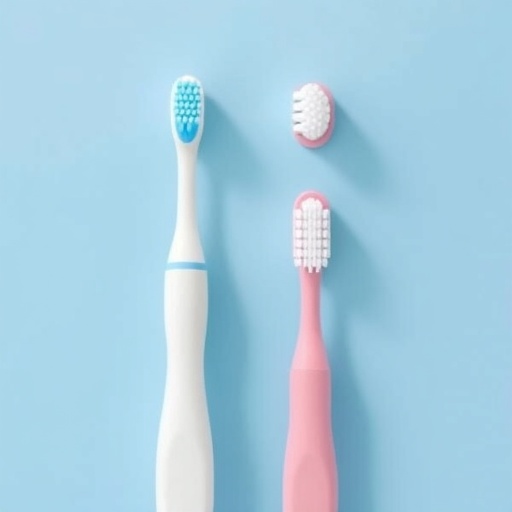
In recent years, the quest for sustainable and effective oral hygiene tools has led researchers to explore alternatives to traditional toothbrushes. Among these alternatives, silicone toothbrushes have begun to attract significant attention due to their potential benefits both in terms of oral health and environmental impact. A new scoping review published in PLOS Global Public Health systematically examines the role of silicone toothbrushes, shedding light on how these innovative devices could transform global oral care practices while addressing pressing ecological concerns.
Traditional toothbrushes commonly feature nylon bristles attached to plastic handles, materials that contribute significantly to environmental pollution due to their non-biodegradable nature. Silicone toothbrushes, by contrast, utilize soft, flexible silicone bristles that are inherently more durable and hypoallergenic. This flexibility significantly reduces microabrasion of the gums and enamel, potentially leading to a gentler, yet thoroughly effective cleaning experience. The review highlights that silicone toothbrushes offer a novel mechanical brushing mechanism that differs from conventional bristle action, thereby fostering reconsideration of oral hygiene paradigms.
The scope of the review, carried out by researchers in Canada and the United States, meticulously evaluated evidence from a variety of clinical and laboratory studies to assess silicone toothbrushes’ efficacy. The findings suggest that these toothbrushes are not only capable of removing plaque effectively but may also confer advantages in terms of gum health. Several studies point to improved periodontal outcomes following the use of silicone toothbrushes, which is attributed to their softer bristle texture that minimizes trauma to gingival tissues while maintaining adequate plaque control.
Environmental sustainability emerges as a pivotal factor underpinning the interest in silicone toothbrushes. Unlike typical plastic brushes that become waste after a limited lifespan, silicone brushes boast increased durability and resistance to wear, extending their usable lifetime. This longevity can substantially decrease the frequency of toothbrush replacement, thereby reducing the accumulation of oral hygiene-related plastic waste. Additionally, some manufacturers are integrating recyclable silicone components, further positioning these toothbrushes as an eco-friendly option.
Despite the promising benefits outlined, the review underscores a notable gap in large-scale, rigorous clinical trials assessing long-term outcomes associated with silicone toothbrush usage. Most existing studies are preliminary and involve small sample sizes or short observation periods. Therefore, while early results are optimistic, broader scientific validation is necessary to mainstream silicone toothbrushes as a standard recommendation in dental practice guidelines. This research gap calls for robust investigations to clarify their comparative performance relative to conventional brushes over extended durations.
An often-overlooked aspect addressed by the review is the potential impact of silicone toothbrushes on biofilm formation dynamics within the oral cavity. Silicone’s unique surface properties may influence microbial adhesion and colonization differently than nylon bristles. Preliminary evidence hints that silicone bristles could alter the oral microbiome balance, possibly reducing pathogenic biofilms and enhancing overall oral health resilience. Future research exploring these microbiological mechanisms could unfold novel preventive strategies against dental caries and periodontal diseases.
Furthermore, the hygienic properties of silicone contribute to its appeal. Silicone material is naturally resistant to bacteria accumulation and is easier to sanitize, as opposed to traditional bristles which can harbor microorganisms in their fibrous structures. This characteristic can mitigate the risk of cross-contamination and infection, particularly in settings with limited access to dental care. The review posits that silicone toothbrushes could thereby serve as a valuable tool in underserved communities, aligning with public health goals aimed at reducing oral health disparities globally.
Consumer acceptability and user experience also drive the adoption potential of silicone toothbrushes. Surveys indicate that people appreciate the tactile softness and ergonomic designs that silicone models offer. The flexibility of silicone allows for innovative shapes and features, including foldable handles and travel-friendly formats, broadening their usability in diverse contexts. However, cost considerations remain pertinent, as silicone toothbrushes typically command higher prices due to advanced materials and manufacturing processes.
From a public health perspective, integrating silicone toothbrushes into oral hygiene promotion campaigns could stimulate greater engagement, especially among populations less inclined towards conventional brushing practices. Their unique aesthetics and perceived sophistication may enhance motivation for regular brushing, a critical determinant in preventing oral diseases. Educational initiatives highlighting both their clinical benefits and environmental advantages are essential to foster widespread acceptance and correct usage.
The environmental narrative resonates strongly amid escalating global concerns over plastic pollution. Oral hygiene products alone contribute significantly to landfill and oceanic waste, emphasizing the urgency for sustainable alternatives. Silicone toothbrushes represent an intersection of improved health outcomes and ecological responsibility, aligning with the broader One Health framework that recognizes the interconnection between human, animal, and environmental health.
Collaboration between dental researchers, manufacturers, and policymakers will be pivotal in advancing the science and accessibility of silicone toothbrushes. Regulatory frameworks and quality control standards must evolve to ensure safety, effectiveness, and environmental claims are substantiated. Incentivizing innovation and facilitating affordability will be crucial to overcoming market barriers and ensuring equitable distribution of this promising health technology.
In conclusion, silicone toothbrushes emerge from this comprehensive scoping review as a compelling underutilized tool that could revolutionize oral health practices while addressing sustainability challenges. The current body of evidence, though limited, points to their efficacy, gentleness, hygienic advantages, and environmental benefits. With further research and strategic implementation, these devices hold the potential to become a mainstream modality in global oral health, contributing to healthier smiles and a healthier planet alike.
Subject of Research: Oral health and environmental sustainability in relation to silicone toothbrushes
Article Title: Silicone toothbrushes: A scoping review of an underutilized tool in global oral health
News Publication Date: 22-Apr-2026
Web References: http://dx.doi.org/10.1371/journal.pgph.0005202
Image Credits: Cummins et al., 2026, PLOS Global Public Health, CC-BY 4.0
Keywords: Silicone toothbrushes, oral health, environmental sustainability, plaque removal, periodontal health, biofilm, hygiene, dental innovation, eco-friendly oral care, global health
Tags: clinical studies on silicone toothbrushesdurability of silicone toothbrush bristleseco-friendly toothbrush alternativesenvironmental impact of plastic toothbrushesglobal oral care innovationhypoallergenic toothbrush materialsinnovative oral care devicesmechanical brushing mechanisms in oral hygienereducing microabrasion with silicone toothbrushessilicone bristles vs nylon bristlessilicone toothbrush benefits for oral healthsustainable oral hygiene tools