
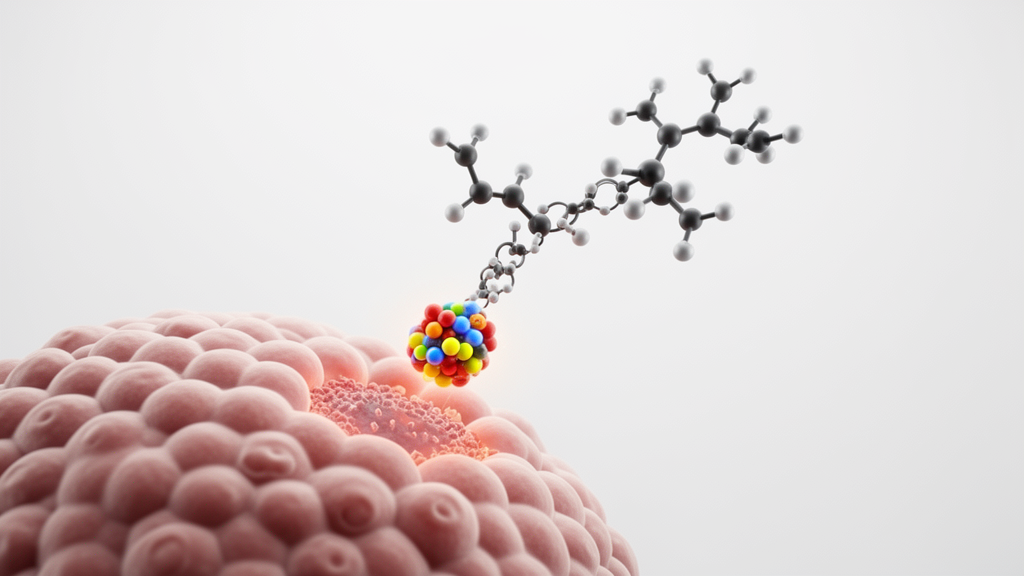
Antibody–drug conjugates have secured established therapeutic roles across multiple hematologic malignancies, yet their clinical efficacy and safety profiles vary considerably across constructs, disease indications, and lines of therapy. While these targeted agents are engineered to combine the binding specificity of monoclonal antibodies with the potent cytotoxicity of small-molecule payloads, clinical outcomes indicate that antigen recognition alone cannot guarantee therapeutic success. As demonstrated in a comprehensive scientific review published in Biomarker Research by Siming Zheng, Yongyi Yuan, Jinxin Dong, Hao Guo, and Keshu Zhou, therapeutic outcomes depend on an intricate interplay connecting target surface density, antigen accessibility, intracellular trafficking, linker cleavage kinetics, and the postrelease pharmacology of the free cytotoxic payload. Differences in baseline target expression alone fail to fully explain why certain constructs produce durable remissions while others are limited by severe toxicities, narrow therapeutic windows, or treatment-emergent resistance.
The structural architecture of an antibody–drug conjugate dictates its entire pharmacological trajectory, beginning with cell-surface engagement and internalization. The monoclonal antibody backbone governs target recognition and binding affinity, while the chemical conjugation strategy and resulting drug-to-antibody ratio substantially modify clearance kinetics and biodistribution. Higher drug-to-antibody ratios can enhance payload delivery per internalized complex, but they frequently increase molecular hydrophobicity, leading to accelerated systemic hepatic clearance unless compensated by hydrophilic linker modifications. Following antigen binding, antibody–drug conjugate complexes typically undergo receptor-mediated endocytosis, but simple cellular entry does not ensure cytotoxicity. Productive payload delivery requires internalized complexes to avoid rapid recycling to the cell surface and navigate toward mature endosomal and lysosomal compartments capable of mediating linker cleavage or antibody catabolism, a distinction especially critical for non-cleavable constructs that rely entirely on complete proteolytic degradation of the antibody scaffold.
Cleavable and non-cleavable linkers establish distinct intracellular processing requirements and generate chemically divergent active species that govern bystander killing. Protease-cleavable designs, such as the widely utilized valine–citrulline linker found in brentuximab vedotin and polatuzumab vedotin, are processed within endolysosomal environments to release unmodified, membrane-permeable monomethyl auristatin E. Because this released species readily crosses cellular membranes, it can diffuse outward to eradicate adjacent malignant cells, providing a mechanism to overcome intratumoral antigen heterogeneity. In contrast, non-cleavable linkers, such as the maleimidocaproyl linker in belantamab mafodotin, yield polar amino acid–linker–payload catabolites like cysteine-maleimidocaproyl-MMAF following lysosomal degradation. Because these charged catabolites exhibit poor passive membrane permeability, their cytotoxic activity remains largely confined to the directly targeted, antigen-bearing host cell, markedly restricting bystander killing in adjacent tissue.
The therapeutic impact of these structural properties is evident in lymphoma treatments directed against CD30 and CD79b. Brentuximab vedotin, which delivers monomethyl auristatin E to CD30-positive cells, established high-level evidence in clinical trials, including randomized phase III studies in classical Hodgkin lymphoma, systemic anaplastic large-cell lymphoma, and peripheral T-cell lymphoma, as well as relapsed or refractory large B-cell lymphoma. However, in newly diagnosed advanced classical Hodgkin lymphoma, the randomized S1826 trial demonstrated superior progression-free survival with nivolumab plus doxorubicin, vinblastine, and dacarbazine compared with brentuximab vedotin plus chemotherapy. Similarly, the CD79b-directed conjugate polatuzumab vedotin demonstrated improved progression-free survival in newly diagnosed diffuse large B-cell lymphoma within the phase III POLARIX trial and improved survival in relapsed or refractory disease within the randomized POLARGO trial, confirming the therapeutic utility of auristatin payloads coupled to cleavable linkers in B-cell neoplasms.
Beyond tubulin-targeting auristatins, distinct payload classes exert specialized mechanisms of cellular injury that dictate clinical efficacy and adverse event profiles. In acute lymphoblastic leukemia, the CD22-directed calicheamicin conjugate inotuzumab ozogamicin demonstrated an 80.7 percent complete remission rate compared with 29.4 percent with standard chemotherapy in the phase III INO-VATE trial, alongside higher rates of measurable residual disease negativity. Calicheamicin derivatives bind the DNA minor groove to generate site-specific double-strand breaks, contrasting sharply with the persistent interstrand cross-links produced by the pyrrolobenzodiazepine dimer payload SG3199 delivered by the CD19-directed conjugate loncastuximab tesirine. While loncastuximab tesirine achieved an objective response rate of 48.3 percent in heavily pretreated large B-cell lymphoma in the LOTIS-2 trial, alternative DNA-damaging designs have highlighted critical safety liabilities, such as the sinusoidal obstruction syndrome and veno-occlusive disease associated with calicheamicin constructs, particularly following conditioning regimens for hematopoietic stem cell transplantation.
The pivotal role of dosing strategy, schedule, and treatment context in balancing conjugate benefit against fatal toxicity is starkly illustrated by gemtuzumab ozogamicin in acute myeloid leukemia. Initially withdrawn from the United States market after the randomized SWOG S0106 trial revealed excess fatal induction toxicity and no survival benefit when combined with intensive chemotherapy, the CD33-directed calicheamicin conjugate was later reapproved following the randomized ALFA-0701 trial. ALFA-0701 demonstrated that a fractionated, lower-dose schedule combined with standard chemotherapy significantly improved event-free survival while avoiding excessive induction mortality. This historical trajectory proves that clinical failures cannot be reflexively attributed to target suitability or payload cytotoxicity alone, as administration schedules, circulating antigen sinks, and patient selection fundamentally modulate therapeutic windows.
In multiple myeloma, the BCMA-directed conjugate belantamab mafodotin demonstrates how non-cleavable auristatin designs produce robust clinical activity alongside distinct target-independent toxicities. In the phase III DREAMM-7 trial, belantamab mafodotin combined with bortezomib and dexamethasone significantly extended median progression-free survival to 36.6 months compared with 13.4 months for daratumumab-based therapy, while the DREAMM-8 trial confirmed superior disease control in lenalidomide-exposed relapsed or refractory disease. Despite these efficacy gains, corneal epithelial toxicity and keratopathy remain prevalent clinical challenges. Preclinical mechanistic studies revealed that intact belantamab mafodotin undergoes target-independent, macropinocytosis-mediated uptake into antigen-negative human corneal epithelial cells, where subsequent lysosomal degradation generates toxic intracellular catabolites that disrupt microtubule networks, necessitating rigorous ophthalmic monitoring and dose modifications in routine practice.
Resistance to antibody–drug conjugates arises across multiple interconnected stages of the therapeutic cascade, preventing sustained disease control even when initial targets are expressed. Surface antigen downregulation or complete loss has been documented following relapse on inotuzumab ozogamicin and investigational CD37-directed therapies, while impaired endosomal and lysosomal trafficking uncouples cellular internalization from productive payload cleavage, as seen in preclinical FLT3-mutant leukemia models. Transporter-mediated drug efflux represents another widespread resistance mechanism; upregulation of P-glycoprotein efficiently clears monomethyl auristatin E and calicheamicin, whereas the ATP-binding cassette transporters ABCG2 and ABCC2 expel pyrrolobenzodiazepine dimers. Downstream alterations, including loss of the DNA-damage-response factor SLFN11, depletion of DNTT, or dysregulation of pro-apoptotic BAX and BAK, further desensitize malignant cells to payload-induced cytotoxic stress.
Emerging strategies aim to overcome these limitations by deploying alternative payload chemistries, such as camptothecin-derived topoisomerase I inhibitors, across established targets including CD79b, CD22, CD33, and CD30. Conjugates such as SHR-A1912, AZD4512, and BL-M11D1 seek to bypass auristatin- and calicheamicin-associated cross-resistance and reduce off-target toxicities, although mature clinical data remain preliminary or abstract-only. Concurrently, clinicians are evaluating conjugates in combination and sequence with chimeric antigen receptor T-cell therapies and bispecific T-cell engagers. In transplant-ineligible relapsed or refractory large B-cell lymphoma, the phase III SUNMO trial demonstrated that combining polatuzumab vedotin with the bispecific engager mosunetuzumab significantly prolonged median progression-free survival compared with standard chemoimmunotherapy, illustrating potential therapeutic cooperation between targeted delivery and redirected cellular immunity.
Ultimately, synthesizing target biology with linker–payload pharmacology highlights the necessity of prospective, target-anchored clinical investigations that incorporate rigorous pharmacokinetic sampling and dynamic biomarker profiling. While baseline antigen expression informs patient eligibility for certain agents, it rarely provides a reliable standalone predictor of clinical response or resistance. Advancing the next generation of antibody–drug conjugates will require validated translational assays to monitor receptor turnover, lysosomal competence, and payload efflux, alongside randomized trials designed to isolate the therapeutic contributions of individual chemical modifications, thereby establishing optimized sequencing strategies across hematologic oncology.
Subject of Research: Pharmacological mechanisms, clinical trial evidence, and resistance profiles of antibody–drug conjugates in hematologic malignancies
Article Title: Antibody–drug conjugates in hematologic malignancies: from target biology to linker–payload pharmacology and clinical evidence
Article References: Zheng, S., Yuan, Y., Dong, J., Guo, H., & Zhou, K. (2026). Antibody–drug conjugates in hematologic malignancies: from target biology to linker–payload pharmacology and clinical evidence. Biomarker Research, 14(1), Article 162. https://doi.org/10.1186/s40364-026-01035-6
Image Credits: AI Generated
DOI: 10.1186/s40364-026-01035-6
Keywords: antibody-drug conjugates, hematologic malignancies, brentuximab vedotin, polatuzumab vedotin, inotuzumab ozogamicin, gemtuzumab ozogamicin, loncastuximab tesirine, belantamab mafodotin, pivekimab sunirine, linker chemistry, payload pharmacology, bystander killing, antigen heterogeneity, drug resistance, targeted therapy, oncology research, immunotherapy

