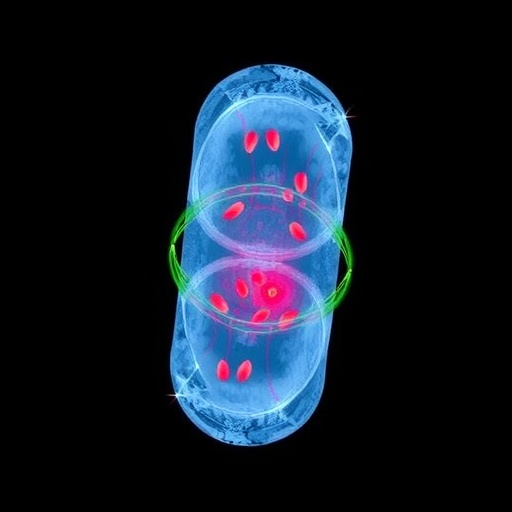
Houston Methodist Research Institute scientists have unveiled a biodegradable implant intended to deliver cancer-fighting immunotherapy drugs directly within tumors for prolonged periods. The goal is to enhance antitumor activity while reducing drug exposure to healthy tissue—one of the main challenges of systemic immunotherapy.
The implant, described as a rice-sized biodegradable nanofibrous drug-eluting seed (b-NDES), acts as a miniature drug reservoir. Once placed inside a tumor, it releases immune-stimulating therapeutics gradually, helping maintain a therapeutic local concentration rather than relying on rapid diffusion throughout the body.
Because the device is biodegradable, it is designed to break down safely over time in the body. This feature aims to remove the clinical burden of surgical retrieval, potentially simplifying treatment workflows and improving patient comfort after implantation.
The approach was reported in the Journal of Controlled Release and co-led by Alessandro Grattoni, Ph.D., chair and director of the Center for BioNanoengineering at Houston Methodist Research Institute, along with Corrine Chua, Ph.D., associate professor in the same center.
Chua emphasized the strategy as “starting a fire inside the tumor itself.” By activating immune cells within the tumor microenvironment, the therapy may enable those immune cells to migrate and target cancer beyond the initial lesion, potentially improving overall disease control.
In preclinical studies using triple-negative breast cancer models, researchers combined the b-NDES implant with radiation and two immunotherapeutic drugs. The implant helped keep the therapeutics concentrated in the tumor while limiting distribution to other organs.
According to the study results, tumors were completely eliminated in 60% of the tested models. Importantly, the treatment did not produce significant side effects elsewhere in the body, supporting the central premise of localized delivery.
Although the work focused on triple-negative breast cancer, Grattoni noted that the underlying concept may extend to other solid tumors. He suggested that applications could include cancers where an accessible tumor lesion allows implantation, such as pancreatic or lung cancers.
Future research will focus on expanding the platform to additional tumor types, as well as developing the manufacturing and safety data required to move toward clinical testing.
Subject of Research: Biodegradable tumor-implant drug delivery for immunotherapy (solid tumors; triple-negative breast cancer models)
Article Title: Not provided in the provided content
News Publication Date: Not provided in the provided content
Web References: https://www.sciencedirect.com/science/article/pii/S0168365926004074#ab0010
References: Not provided beyond journal name and link
Image Credits: Not provided in the provided content
Keywords: biodegradable implant, tumor microenvironment, immunotherapy, drug-eluting seed, nanofibrous delivery, Journal of Controlled Release, solid tumors, localized therapy, triple-negative breast cancer, immune activation
Tags: biodegradable cancer implantbiodegradable implant for cancer treatmentimmune-stimulating therapeuticsinnovative cancer immunotherapy deviceslocalized cancer immunotherapyminimally invasive cancer therapynanofibrous drug-eluting seedprolonged drug release in tumorsreducing systemic side effects in cancer treatmenttargeted immunotherapy deliverytumor microenvironment activationtumor-specific drug release