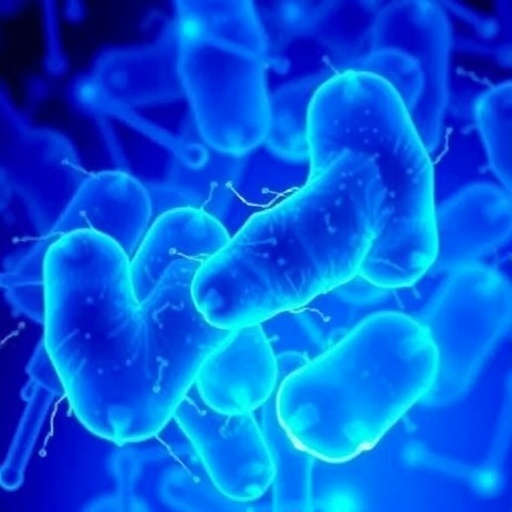
In the relentless battle against antibiotic-resistant infections, Klebsiella pneumoniae remains a formidable adversary. Known primarily as an opportunistic pathogen responsible for severe conditions such as pneumonia and bloodstream infections, this bacterium’s ability to colonize the human gastrointestinal tract has long piqued scientific curiosity. Despite extensive research into its pathogenic mechanisms, the interactions of K. pneumoniae with the intestinal mucus layer—an essential component of gut mucosal defense—have remained obscure. A groundbreaking study recently published in Microbiome Research Reports sheds new light on this enigmatic relationship, unveiling how intestinal mucus serves not only as a physical barrier but also as a critical ecological niche shaping K. pneumoniae colonization, nutrient acquisition, and antibiotic susceptibility.
Intestinal mucus, a viscous gel formed predominantly by mucin glycoproteins, is the first line of defense separating gut microbiota from epithelial cells. This mucus layer harbors complex glycans that can be metabolized by various microorganisms. In their study, the researchers demonstrated that multiple strains of K. pneumoniae exhibit strong adhesion to both human and porcine intestinal mucus in vitro. Further in vivo models in mice revealed that K. pneumoniae preferentially localizes within this mucus layer, suggesting that the bacterium exploits mucus as a habitat within the gut ecosystem. This affinity for mucosal surfaces could explain how K. pneumoniae persists in the gastrointestinal tract, setting the stage for opportunistic infections when host defenses are compromised.
Delving deeper into the bacterium’s interaction with mucus, the study explored the metabolic capability of K. pneumoniae to utilize mucus-associated saccharides. The bacterium effectively metabolizes individual sugars such as galactose, fucose, and N-acetyl-glucosamine—monosaccharide constituents known to be abundant in mucin glycans. However, intact mucus itself did not support the growth of K. pneumoniae efficiently. This limitation stems from the bacterium’s lack of essential enzymes required to depolymerize complex mucin glycans into accessible monosaccharides. Therefore, K. pneumoniae likely depends on the presence of other members of the gut microbiota capable of mucin degradation to liberate these nutrients, especially during periods of microbial imbalance or dysbiosis.
This ecological interdependence reveals a subtle dynamic in gut microbiome interactions: during microbiome disruption caused by antibiotics or disease, when mucin-degrading commensals decrease, K. pneumoniae might either face restricted nutrient availability or opportunistically capitalize on transient nutrient release. Such metabolic niches underline the complexity of microbial cooperation and competition within the mucus layer, highlighting how commensal bacteria may indirectly fuel the colonization and proliferation of pathogenic species like K. pneumoniae. Understanding these interactions at a molecular level opens avenues to modulate gut ecology to prevent pathogen overgrowth.
Beyond nutrient acquisition, exposure to mucus was found to induce significant physiological changes in K. pneumoniae. Notably, mucus contact sensitized the bacteria to aminoglycoside antibiotics—including gentamicin, kanamycin, and streptomycin—enhancing their antimicrobial efficacy. The mechanistic basis for this increased susceptibility may involve alterations in membrane permeability or downregulation of intrinsic resistance pathways triggered upon mucus exposure. These findings suggest that mucus is not merely a passive environmental factor but actively modulates bacterial phenotypes in ways that could be leveraged clinically.
This revelation is crucial, given the global concern over rising aminoglycoside resistance in K. pneumoniae strains. By interrogating how the mucus milieu influences antibiotic uptake and bacterial stress responses, this study opens a promising research avenue to improve treatment regimens against refractory infections. Augmenting aminoglycoside therapies with agents that mimic mucus-induced physiological states or combining them with prebiotics that promote mucus integrity might potentiate antibiotic action and curb resistance emergence.
Mechanistically, the study underscores the dual role of mucus as both a nutrient reservoir and a physiological signal for K. pneumoniae. As a nutrient source, mucin glycans provide essential building blocks, albeit indirectly, since K. pneumoniae doesn’t possess a full complement of mucin-degrading enzymes. As a signal, mucus exposure appears to recalibrate gene expression and phenotypic traits, priming bacteria for altered interactions with the host immune system and antibiotic challenges. This duality reflects broader principles of host-microbe interplay in mucosal environments, where bacterial behaviors are finely tuned by chemical cues emanating from host secretions.
The broader implications of these findings extend to understanding pathogen expansion within the gut following antibiotic interventions. Disruption of native microbiota may release nutrients from mucus glycans, inadvertently supporting K. pneumoniae bloom. Additionally, by modulating bacterial physiology and antibiotic sensitivity, mucus influences infection dynamics and treatment outcomes. Tailoring therapies that preserve mucosal barriers and microbial ecosystems could reduce opportunistic pathogen colonization and enhance antibiotic effectiveness.
In an era where multidrug-resistant K. pneumoniae strains jeopardize public health, insights into microbial niche adaptation are invaluable. This study exemplifies how integrative microbiological research—blending in vitro assays, murine models, and molecular analyses—can unravel complex bacterial survival strategies. The identification of mucus as a critical factor dictating colonization and antibiotic response not only deepens our understanding of K. pneumoniae pathogenesis but also points toward innovative preventive and therapeutic strategies.
Future research directions could focus on identifying specific bacterial genes and pathways activated upon mucus interaction, characterizing mucus-mediated modulation of bacterial membrane properties, and elucidating the role of other gut microbial consortia in liberating mucin-derived nutrients. Moreover, exploring how varying mucus composition across individuals influences susceptibility to K. pneumoniae colonization could inform personalized medicine approaches targeting gut infections.
The study titled “Intestinal mucus acts as a nutrient source and signal for Klebsiella pneumoniae” heralds a paradigm shift in our comprehension of host-pathogen interplay within the gut mucosal environment. By highlighting mucus’s multifaceted role, it paves the way for more effective interventions against one of the most challenging opportunistic pathogens in modern medicine.
Subject of Research: Not applicable
Article Title: Intestinal mucus acts as a nutrient source and signal for Klebsiella pneumoniae
News Publication Date: 29-Apr-2026
Web References: 10.20517/mrr.2025.112
Keywords: Klebsiella pneumoniae, intestinal mucus, mucin glycans, gut colonization, antibiotic sensitivity, aminoglycosides, microbial ecology, mucosal barrier, opportunistic pathogens, microbiome disruption, bacterial physiology, host-microbe interactions
Tags: antibiotic resistance in Klebsiella pneumoniaeecological niche of intestinal mucusgut microbiota and pathogen adhesiongut mucosal barrier and bacterial infectionimpact of gut mucus on antibiotic effectivenessin vitro and in vivo models of bacterial colonizationintestinal mucus and Klebsiella pneumoniae interactionKleKlebsiella pneumoniae colonization mechanismsmicrobial metabolism of intestinal glycansmucin glycoproteins role in gut defensenutrient acquisition by Klebsiella pneumoniae