A typical pregnancy lasts 40 weeks, but for about one in 10 pregnant women labor begins too soon, and premature or preterm birth is the leading cause of newborn deaths worldwide. Doctors have struggled to understand why preterm birth occurs—or how to predict which pregnancies are at highest risk.
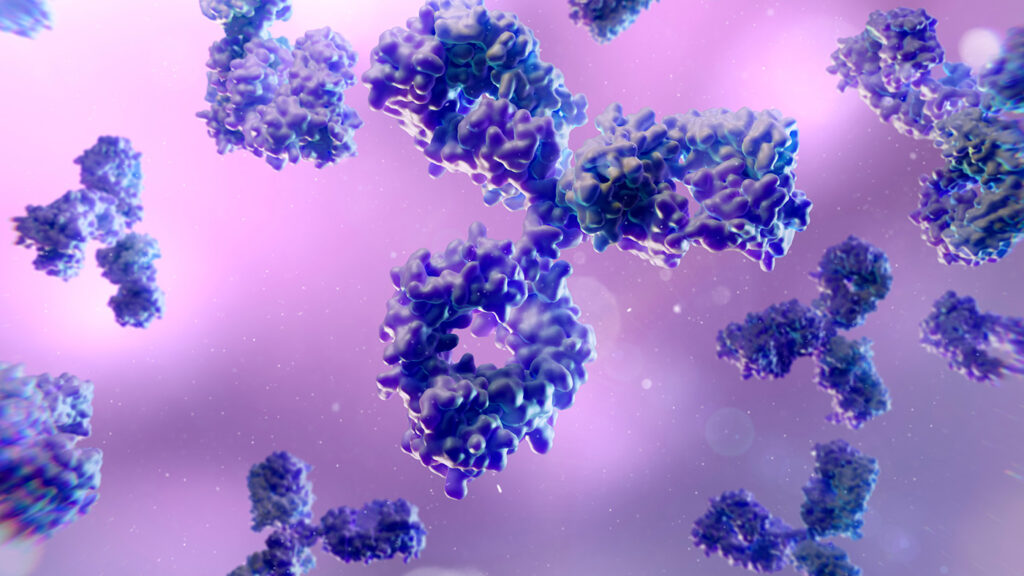
By analyzing maternal sera from term and preterm pregnancies, in combination with studies in live mice and in human placental tissues, researchers at University of California, San Francisco (UCSF) identified antibodies that play a role in triggering early labor. The antibodies were present in higher levels and appeared earlier during pregnancy in women who went on to give birth to their babies before 37 weeks’ gestation, compared to women who delivered their babies at term.
For their study the researchers used a new immune profiling tool built at UCSF, which they suggest could lead to new ways of screening for preterm birth risk and to new preventive interventions. “We built our tool to find exactly these kinds of hidden immune signals,” said Joe DeRisi, PhD, the Gordon M. Tomkins Professor of Biochemistry and Biophysics. “The fact that it’s pointing us toward why some pregnancies go wrong is an exciting result.”
The results also hint that an existing drug used to treat certain inflammatory conditions might feasibly represent a potential candidate for preventing preterm birth. DeRisi is senior author of the scientists’ published paper in Nature Immunology, titled “Evidence for maternal autoantibodies in the pathogenesis of preterm birth.”
Every pregnancy presents a puzzle for the human immune system. A fetus is not genetically identical to a mother, yet her body must not reject it. “The maternal immune system is reprogrammed during pregnancy to tolerate a semi-allogeneic fetus, yet the mechanisms by which immune tolerance is established and maintained in normal human pregnancy remain incompletely understood,” the authors noted. In most cases the immune system knows not to attack. However, as the authors pointed out, “Failure to establish or maintain maternal–fetal immune tolerance is associated with preterm birth, and complications of prematurity remain the leading cause of death in children under five worldwide.”
To investigate whether the immune system could be triggering some cases of preterm births research lead and first author Elze Rackaityte, PhD, formerly a postdoctoral researcher in the DeRisi lab and now an assistant professor at UCSF, recruited volunteers who were being seen at UCSF’s fertility clinic. The team collected initial blood samples and then tracked a handful of women after they became pregnant from frozen embryo transfers.
“We wanted to capture the immune system before pregnancy, and then measure what changed,” Rackaityte said. “This patient population was particularly well suited to answering that question, because the timing of pregnancy following a frozen embryo transfer could be closely tracked.”
The researchers used a technology called phage immunoprecipitation (IP) sequencing (PhIP-seq), which the DeRisi lab has substantially refined and advanced. PhIP-Seq allows researchers to take a broad look at the antibodies in a person’s blood and determine which proteins they recognize—including, in this case, whether any are reacting to the body’s own proteins.
For their reported study the team used the approach to identify a set of antibodies that appeared consistently once pregnancy began. With that baseline established, the team then turned to a much larger dataset: blood samples from more than 2,000 pregnant women across eight cohorts, including samples collected by California’s statewide prenatal screening program at 15 weeks of gestation. This could show whether any antibodies were specifically associated with preterm birth, not just with pregnancy itself.
The data showed that women who went on to deliver prematurely experienced broader antibody changes earlier than those who delivered at term. Within the broader antibody signature seen in women with preterm deliveries, one antibody that reacted against a protein called IL1RA—which is known to control inflammation in the body— stood out.
IL1RA works by blocking a molecule called IL1β, which drives a kind of inflammation known to trigger uterine contractions. IL1RA is the body’s natural brake to keep IL-1β in check. An antibody that neutralizes IL1RA removes that brake, allowing IL1β and the inflammation it causes to rise unchecked. This could explain why some women with the antibody go into labor too early.
To confirm the significance, Rackaityte injected the IL1RA antibodies into pregnant mice. IL1β levels rose in the mothers’ blood, and their placentas showed signs of damage—something also seen in human preterm deliveries. “Consistent with our hypothesis, anti-IL1RA injected dams also exhibited profound reproductive defects,” the team wrote.
Wondering how the immune molecule was linked to placental health, Rackaityte next examined human placental tissue to find where IL-1RA was normally located. She found it accumulated in the junctions between cells lining placental blood vessels where nutrients and oxygen cross from mother to fetus. “The placenta is basically stocking up on this inhibitor to protect the pregnancy, and it’s deposited in these strings that go along with the flow of blood,” Rackaityte said. “The first time I looked under the microscope, I thought something went wrong because I had never seen a protein organized like this before.”
The researchers caution that the anti-IL1RA antibodies were seen in only a fraction of preterm births, so there are likely many other causes. They also don’t yet know whether the antibodies were already present before pregnancy—triggered by previous infection or immune disease—or appeared after conception, since the women who carried the antibody signature were only followed after they conceived.
Anakinra, a synthetic form of the IL1RA molecule, has already been used for nearly two decades to treat inflammatory diseases including rheumatoid arthritis. The new results suggest that the already-approved drug could be worth investigating as a potential way to prevent preterm births, by putting the brakes back on IL-1, preventing inflammation and preterm uterine contractions. “Just the fact that this drug has been around for a while, and that we have decades of safety data on it, is very compelling for use in pregnancy,” Rackaityte said.
In her new lab, Rackaityte plans to continue studying anti-IL1RA antibodies as well as follow up on other antibodies that were found in the preterm-birth-associated immune signature. In their paper the authors concluded, “Beyond an individual protein, these collective proteome-wide data, representing thousands of individuals, reveals that pregnancy itself elicits a broad and shared program of humoral autoreactivity, and that preterm birth is distinguished by a markedly expanded signature targeting proteins essential for placental function, vascular remodeling and immune regulation.”