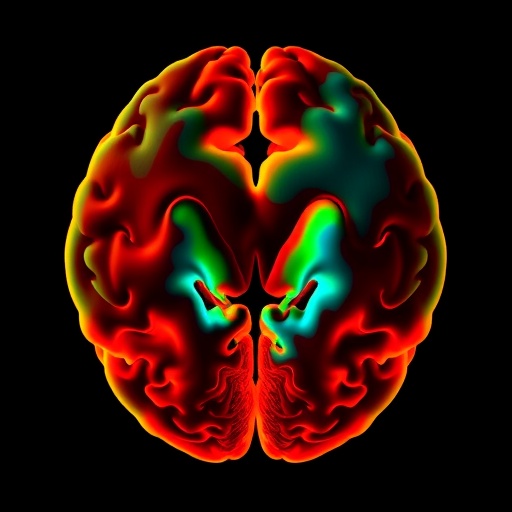
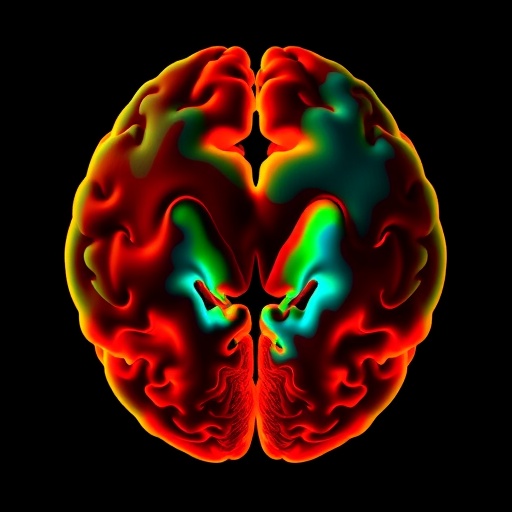
A new study reports that autism spectrum disorder (ASD) may involve a subtle breakdown in brain timing: thalamic reticular nucleus (TRN) spindles fail to coordinate properly, undermining social memory. Published in Nature Communications (2026), the work links disrupted sleep-associated spindle synchrony to impaired recall of socially relevant cues in both mice and humans.
In mammals, TRN spindles—brief bursts of rhythmic activity that occur during non-rapid eye movement sleep—help organize information flow between thalamus and cortex. To test whether these micro-events matter for social learning, the researchers combined behavioral assays with electrophysiology and translational analyses across species.
Using mouse models relevant to ASD, the team measured spindle timing and assessed performance on tasks requiring memory for social interactions. Animals with ASD-like phenotypes showed reduced coordination among TRN spindles, alongside clear deficits in remembering social partners compared with control mice.
The investigators then examined how spindle dyscoordination maps onto neural connectivity patterns. They report that improperly synchronized spindle events weaken the temporal “windows” through which thalamocortical circuits communicate, potentially impairing the consolidation of social experiences during sleep.
To strengthen the human connection, the study also analyzed human data associated with ASD. Individuals with ASD demonstrated altered spindle-related synchrony, suggesting that the same coordinating mechanism observed in mice may operate in the human brain.
Notably, the findings emphasize that it is not simply the presence or absence of spindles that matters, but their precise coordination across the thalamic reticular network. When that coordination is disrupted, social memory appears particularly vulnerable.
The study frames TRN spindle synchrony as a potential biomarker and offers a mechanistic target for future interventions. If sleep-dependent coordination can be restored, therapies might improve how social memories are stabilized after learning.
Together, the results position thalamic reticular spindle coordination as a shared neurophysiological signature connecting mouse models and human ASD. By tying a sleep rhythm to social recall, the work advances a viral-science narrative: tuning brain timing during sleep could influence who we remember as “social” and when.
Subject of Research: Thalamic reticular nucleus spindle coordination; social memory deficits in autism spectrum disorder
Article Title: Dyscoordination of thalamic reticular spindles is associated with social memory deficits in mice and humans with autism spectrum disorder.
Article References: Cui, D., Wang, X., Ai, R. et al. Dyscoordination of thalamic reticular spindles is associated with social memory deficits in mice and humans with autism spectrum disorder. Nat Commun (2026). https://doi.org/10.1038/s41467-026-75162-x
Image Credits: AI Generated
DOI: 10.1038/s41467-026-75162-x
Tags: autism spectrum disorderCross-species analysis of sleep rhythmsElectrophysiology in autism modelsMicro-events in brain timingNeural connectivity in ASDNeural mechanisms of social impairmentsSleep and social cognitionSleep spindle dyscoordinationSleep-dependent social learningSocial memory deficitsThalamic reticular nucleusThalamocortical communication