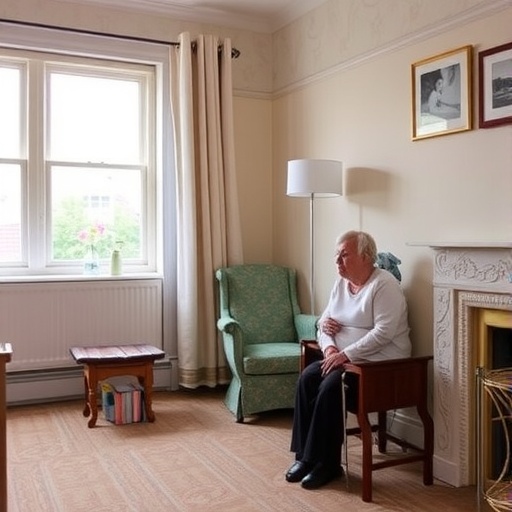
As our global population ages at an unprecedented rate, residential care facilities have become indispensable havens for millions of elderly individuals who can no longer live independently. Yet, beneath the surface of these institutions lie critical challenges that often escape the public eye. One such issue drawing increasing scholarly attention is the persistent existence of unmet care needs among older residents in these environments. The forthcoming study by Xie, Daly, Tang, and colleagues, slated for publication in BMC Geriatrics in 2026, offers an exhaustive scoping review that shines a stark light on the gaps and deficiencies embedded within current eldercare frameworks.
This study embarks on a meticulous journey through existing literature, aggregating and synthesizing data regarding the spectrum of care shortfalls experienced by older adults residing in care homes. The term “unmet care needs” refers to instances where required assistance—whether physical, psychological, or social—is inadequately provided, thereby compromising the health, dignity, and overall well-being of these vulnerable populations. The implications of these findings reach far beyond individual suffering; they reflect systemic faults that, unless addressed, may perpetuate health disparities, increase hospital readmissions, and elevate societal healthcare costs.
A cornerstone of the research revolves around elucidating the multifactorial nature of these unmet needs. Physical care, such as help with activities of daily living (ADLs) including bathing, dressing, and mobility, is frequently highlighted as inadequately addressed. Despite protocols and staffing tailored to meet these requirements, resource limitations, staff shortages, and high workload pressures often culminate in incomplete or delayed assistance. The consequences range from falls and injuries to the exacerbation of chronic illnesses, underscoring an urgent need for enhanced care delivery models.
Equally pressing are psychological and emotional care gaps. Loneliness, depression, and cognitive decline represent formidable challenges within residential settings. The review dissects how insufficient emotional support and social engagement activities can accelerate mental health deterioration, adversely impacting residents’ quality of life. Notably, dementia care emerges as a domain rife with unmet needs, given the specialized knowledge and tailored interventions it requires. The absence of personalized cognitive stimulation and empathetic staff interaction frequently leaves residents vulnerable to confusion and behavioral disturbances.
Nutrition and hydration inadequacies constitute another alarming category outlined in the study. Malnutrition and dehydration are common among care home residents, often stemming from swallowing difficulties, poor appetite, or neglect. The scoping review reveals that routine assessments and interventions targeting nutritional status are inconsistently applied, exacerbating frailty and susceptibility to infections. The interplay between physical illness and nutritional deficits compounds the challenge, necessitating innovative multidisciplinary approaches for early detection and management.
Infection control and medication management are technical aspects scrutinized in the review. Older individuals in residential care settings are particularly prone to infections due to immunosenescence and communal living conditions. The authors emphasize lapses in timely identification of infections and rational pharmacotherapy as contributors to adverse clinical outcomes. Polypharmacy—a prevalent phenomenon among elderly residents—heightens the risk of drug interactions and side effects, yet systematic medication reviews and deprescribing practices remain underutilized.
The review also probes the systemic and structural determinants influencing unmet care needs. Staffing ratios, training adequacy, regulatory frameworks, and funding models emerge as pivotal factors shaping care quality. Staffing shortages not only limit the capacity to meet residents’ needs but also contribute to burnout and reduced job satisfaction among caregivers, fueling a vicious cycle. Regulatory oversight varies internationally, engendering disparities in care standards and accountability mechanisms. Financial constraints, both at institutional and policy levels, further entrench the difficulties of delivering comprehensive care.
Technological innovations and their role in addressing unmet needs receive nuanced attention. While digital health tools such as electronic health records, telemedicine, and assistive devices hold promise, their implementation in residential care remains sporadic and under-resourced. The review advocates for technology integration that complements human caregiving rather than replaces it, emphasizing user-centered design and staff training to optimize benefits and minimize disruption.
Importantly, the scoping review adopts a person-centered care lens, advocating for individualized care plans that respect residents’ preferences, histories, and autonomy. This approach aligns with contemporary gerontological paradigms aiming to foster dignity and empowerment despite physical or cognitive limitations. However, the complexity of operationalizing person-centered care in institutional settings presents formidable practical challenges, demanding organizational commitment and cultural transformation.
The study also identifies research gaps and future directions. Longitudinal studies capable of capturing dynamic changes in unmet needs, intervention trials testing innovative care models, and qualitative research exploring residents’ and families’ lived experiences are critical. Moreover, cross-national comparative analyses could elucidate best practices transferable across various healthcare systems and cultural contexts.
Addressing these multifaceted unmet care needs calls for a holistic strategy involving policymakers, care providers, researchers, and community stakeholders. Resource allocation must prioritize adequate staffing, comprehensive training, and infrastructure improvements. Policy reforms need to embed stringent monitoring and accountability systems that promote transparency and quality assurance. Community engagement initiatives can also contribute to combating social isolation and enhancing residents’ social networks within and beyond institutional boundaries.
The implications of this scoping review extend to ethical considerations as well. Respecting older adults’ rights to quality care, informed consent, and participation in care decisions remains paramount. The grim reality of persistent unmet needs challenges societies to confront ageism and systemic neglect, recommitting to the principles of justice and compassion in eldercare.
Ultimately, the findings presented by Xie and colleagues serve as a clarion call to reexamine and revitalize residential care systems. Leveraging evidence-based strategies, embracing technological advancements, and fostering a culture of empathy and person-centeredness can transform residential care from a setting of unmet needs into one of fulfilled potentials and enriched lives. As the demographic tides continue to shift, the urgency for innovative, equitable, and effective eldercare solutions has never been greater.
Subject of Research: Unmet care needs among older people in residential care settings
Article Title: Unmet care needs among older people in residential care: a scoping review
Article References:
Xie, F., Daly, L., Tang, L. et al. Unmet care needs among older people in residential care: a scoping review. BMC Geriatr (2026). https://doi.org/10.1186/s12877-026-07636-y
Image Credits: AI Generated
Tags: aging population care challengeschallenges in eldercare facilitiescomprehensive scoping review elderly careeldercare framework deficiencieselderly well-being in care homeshealth disparities in elderly carehospital readmissions among elderlyimproving residential eldercare servicesphysical psychological social care gapssocietal healthcare costs elderly caresystemic issues in eldercareunmet care needs in elderly residential homes