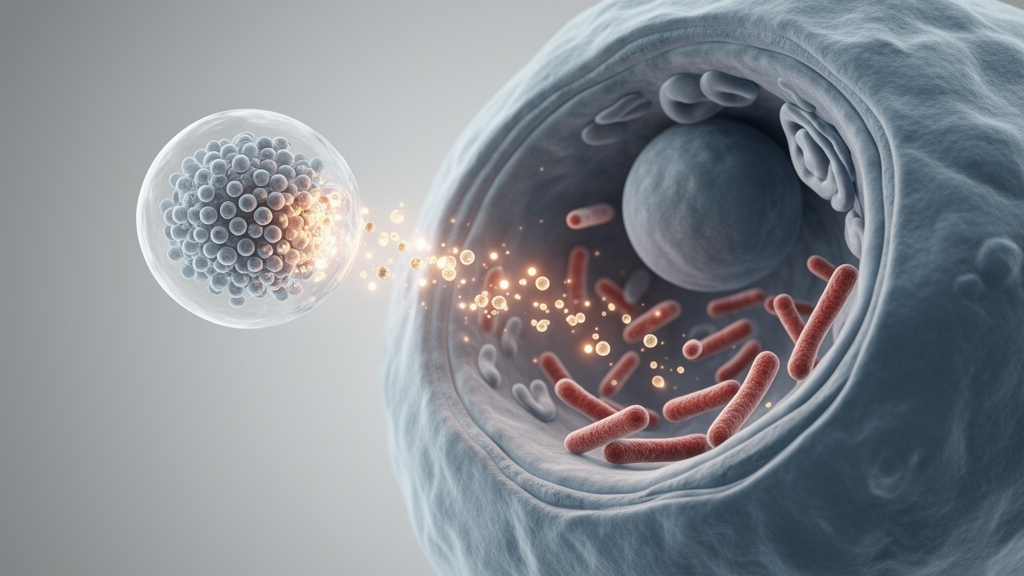
Intracellular bacterial pathogens that establish persistent survival niches inside eukaryotic host cells present enduring therapeutic bottlenecks for conventional medicine, but advanced nano-drug delivery platforms are demonstrating substantial capacity to overcome these barriers. According to a narrative review conducted by researchers at Inner Mongolia Minzu University and partner institutions, encapsulating antimicrobial regimens within engineered nanocarriers markedly improves intracellular drug deposition, extends therapeutic retention, and curtails systemic side effects compared to standard unencapsulated antibiotic regimens. The evaluation, synthesizing literature indexed in PubMed, Web of Science, and Scopus through July 2026, investigates how nanotechnological platforms address the clinical management challenges of brucellosis. Caused by facultative intracellular species including Brucella melitensis, Brucella abortus, and Brucella suis, brucellosis represents the most prevalent zoonotic bacterial disease globally. In humans, infection occurs predominantly through occupational contact with placental tissues, vaginal discharges, blood, or urine from infected livestock, through ingestion of unpasteurized dairy and undercooked meat, or via aerosol inhalation in abattoirs and laboratory environments. Once internalized, Brucella bacteria evade host immune surveillance and frequently transition into debilitating chronic infections that remain remarkably recalcitrant to standard therapies.
The underlying pharmacological failure of traditional intervention stems from the stringent biological microenvironments that protect internalized bacteria from antibiotic exposure. The standard first-line treatment for brucellosis relies on combination regimens comprising oral doxycycline paired with either aminoglycosides like streptomycin or rifamycins such as rifampicin. This protocol shares fundamental chemical principles with chemotherapy regimens directed against Mycobacterium tuberculosis, but both therapeutic protocols encounter severe subcellular and tissue-level transport impediments. Conventional antibiotics lack intrinsic targeting mechanisms and depend entirely on passive systemic biodistribution, necessitating high therapeutic dosages that frequently cause dose-limiting toxicities. Furthermore, Brucella specifically avoids immune clearance through antigenic variation, immunomodulatory factor secretion, and the alteration of intracellular vesicle trafficking. Rather than allowing normal phagolysosomal maturation, Brucella modulates the Brucella-containing vacuole to traffic toward and fuse directly with the endoplasmic reticulum of host macrophages, establishing an intracellular replication niche derived from endoplasmic reticulum membranes. To eradicate the pathogen, antimicrobial molecules must cross both the host macrophage plasma membrane and the internal vacuolar membrane without losing biological activity within acidic intracellular compartments.
Comparative structural analysis between brucellosis and tuberculosis highlights both shared intracellular hurdles and distinct tissue architecture that govern nanoparticle engineering. While Mycobacterium tuberculosis blocks early phagosomal acidification and relies on a thick, waxy, mycolic acid-rich cell envelope to resist chemical entry within modified phagosomes, Brucella relies on endoplasmic reticulum localization. Hydrophilic therapeutics such as streptomycin encounter severe membrane impermeability that prevents passive diffusion across host cell boundaries, and any drug internalized through non-specific pinocytosis risks functional inactivation within acidic lysosomes. At the gross tissue level, divergence in lesion anatomy dictates distinct physical transport dynamics. Tuberculosis is defined by highly structured granulomas that feature dense necrotic cores, hypoxic gradients, and thick outer fibrous capsules that restrict passive macromolecular diffusion. In contrast, Brucella infection typically establishes diffuse granulomatous inflammatory foci in reticuloendothelial organs including the liver, spleen, and lymph nodes without forming well-developed fibrotic capsules. While this less restrictive vascular architecture allows heightened nanoparticle extravasation via inflammation-induced permeability, cross-disciplinary insights developed from tuberculosis research provide a rigorous blueprint for engineering active targeting systems.
Among the investigated carrier architectures, lipid nanoparticles and synthetic biodegradable polymers have demonstrated the most consistent preclinical therapeutic benefits for brucellosis. Solid lipid nanoparticles formulated with low systemic toxicity provide controlled release kinetics and improve the bioavailability of poorly water-soluble antibiotics, although they can exhibit relatively low encapsulation efficiency. Studies evaluating solid lipid nanoparticles loaded with doxycycline or rifampicin demonstrated sustained release profiles extending up to 120 hours, doubling antibacterial activity and significantly reducing macrophage toxicity relative to equivalent free drug controls. Polymeric carriers such as poly(lactic-co-glycolic acid) provide versatile surface functionalization and undergo predictable hydrolytic ester cleavage to maintain sustained release. Rifampicin encapsulated within poly(lactic-co-glycolic acid) nanoparticles displayed a biphasic release profile featuring an initial burst phase followed by sustained delivery that completed over 30 days, yielding marked suppression of intracellular bacterial growth. Other systems, including oil-in-water nanoemulsions, improve the solubility of lipophilic molecules but face potential physical degradation and phase separation during prolonged storage.
Beyond single-drug encapsulation, recent investigations have prioritized multifunctional single-carrier designs that integrate multiple antimicrobial compounds or responsive frameworks. Nanostructured lipid carriers co-loaded with doxycycline, gentamicin, and the plant-derived antimicrobial agent thymol achieved a mean hydrodynamic diameter of 398 nanometers with an overall encapsulation efficiency reaching 97 percent. When applied to J774A.1 macrophage models infected with Brucella melitensis, this triple-agent lipid system produced a 3.4-log10 reduction in intracellular bacterial counts, exceeding the bacterial reduction achieved by the unencapsulated drug combination by approximately 1.6-log10. In parallel, metal-organic framework materials have expanded therapeutic capabilities by merging targeted antimicrobial delivery with host tissue regeneration. A hybrid formulation utilizing dihydroartemisinin loaded into zeolitic imidazolate framework-8 coated with hyaluronic acid and embedded within a gelatin methacryloyl hydrogel targeted CD44 receptors overexpressed on infected macrophages. Triggered by phagolysosomal acidity, the framework released its payload in a rat vertebral bone defect model, achieving a 92.9 percent reduction in bacterial counts at one week while facilitating osteogenic repair of infected osseous lesions across eight weeks of observation.
Dual-agent delivery systems represent an increasingly vital development pathway because clinical management protocols rely on multi-agent regimens to deter the emergence of resistant strains. Two primary dual-delivery strategies dominate current preclinical investigations: the co-loading of two synergistic antibiotics, and the pairing of an antibiotic with an intracellular microenvironment modulator. Formulations co-encapsulating gentamicin with doxycycline into solid lipid nanoparticles, or doxycycline with rifampicin into poly(lactic-co-glycolic acid) nanoparticles labeled with cadmium telluride quantum dots, showed enhanced bacterial clearance in macrophage models alongside reduced host cytotoxicity. Similarly, pairing doxycycline or streptomycin with the lysosomotropic agent hydroxychloroquine within fluorescent solid lipid nanoparticles showed therapeutic superiority. Hydroxychloroquine alkalinizes acidic macrophage vacuoles, which is hypothesized to suppress Brucella virulence factors and restore the activity of pH-sensitive antibiotics. In acute and chronic murine brucellosis models, these co-loaded formulations reduced bacterial burdens in splenic and hepatic tissues more effectively than equivalent free drug regimens, although researchers note that direct vacuolar pH measurements and virulence gene assessments remain necessary to confirm the exact biochemical mechanism.
Inorganic nanoparticles and functionalized metals contribute complementary therapeutic mechanisms through direct, intrinsic bactericidal activity. Metal-based nanoparticles composed of silver, gold, zinc oxide, or titanium dioxide interact electrostatically with the negatively charged bacterial outer envelope, disrupting membrane integrity, elevating outer membrane permeability, and generating reactive oxygen species that damage bacterial nucleic acids and proteins. Preclinical assessments indicate that silver and gold nanoparticles exert potent antibacterial effects against multidrug-resistant Brucella isolates at low concentrations without inducing observable host toxicity in rodent models. Conjugating silver nanoparticles directly to ciprofloxacin substantially lowered the minimum inhibitory concentration against Brucella, indicating that nanoscale inorganic conjugates may prevent or suppress adaptive bacterial resistance pathways. Meanwhile, comparative studies examining silica versus silver formulations demonstrated that silica nanoparticles provide smaller particle diameters, higher loading efficiencies, reduced hemolytic rates, and minimal high-concentration cytotoxicity, identifying them as versatile structural templates for therapeutic antibiotic payloads.
Advanced multimodal strategies integrating physical stimuli with responsive nanocarriers have emerged as powerful methods to eradicate recalcitrant intracellular reservoirs. Reactive oxygen species-responsive nanogels loaded with the photosensitizer zinc phthalocyanine and surface-functionalized with folic acid achieved active macrophage uptake via folate receptors. Upon exposure to 808-nanometer near-infrared laser light, the photosensitizer mediated dual phototherapeutic actions: localized hyperthermia that thermally disrupted bacterial cell wall integrity and denatured virulence proteins, alongside photodynamic generation of reactive oxygen species that cleaved thioketal crosslinkers within the gel to release encapsulated antibiotics on demand. This combined photothermal, photodynamic, and chemotherapeutic platform attained a 99.8 percent eradication rate against extracellular Brucella and significantly suppressed intracellular bacterial survival. Other physical modalities adapted from tuberculosis models, including alternating magnetic field-driven hyperthermia using biomimetic magnetic nanoparticles conjugated to bacteriocin AS-48 and low-intensity ultrasound-activated sonodynamic therapy employing catalase-loaded polymers, similarly demonstrate how mechanical cavitation and localized heat can bypass conventional antibiotic resistance.
Parallel to therapeutic nanomedicines, nanocarrier delivery architectures are resolving long-standing efficacy and safety constraints in brucellosis immunization. Conventional livestock vaccines suffer from safety liabilities, insufficient immunogenicity, and an inability to establish durable, balanced cellular and humoral immune protection. Biomimetic pathogen-like nanovaccines constructed by coating Brucella outer membrane proteins onto mannose-functionalized polydopamine cores effectively targeted mannose receptors on host dendritic cells, stimulating dendritic cell maturation and robust antigen presentation. In murine challenge assays, this platform induced elevated Brucella-specific immunoglobulin G titers alongside enhanced CD4-positive and CD8-positive T-cell proliferation and T helper 1 cytokine production, conveying substantial protective immunity against live bacterial challenge. Similarly, nanoliposomal vaccine formulations co-encapsulating recombinant outer membrane protein 19 and ribosomal protein L7/L12 with liposomal adjuvants produced significantly higher antigen-specific antibody titers and splenocyte proliferation than naked antigen controls, yielding marked reductions in splenic bacterial counts following virulent challenge with Brucella melitensis.
Despite these extensive preclinical successes, the narrative review emphasizes that translational medicine faces profound technical and methodological bottlenecks that currently prevent clinical adoption. Most available in vitro and in vivo studies assess therapeutic performance against standardized laboratory reference strains rather than multidrug-resistant clinical isolates, substantially limiting their real-world clinical predictive value. Furthermore, the vast majority of preclinical trials compare experimental nanoformulations against single unencapsulated drugs rather than against standard dual-antibiotic clinical regimens. Long-term toxicology and in vivo pharmacokinetic distribution represent another critical blind spot; for instance, imaging platforms utilizing heavy metal cadmium telluride quantum dots present high risks of chronic tissue accumulation, systemic cadmium leakage, and organ toxicity upon repeated dosing. The translational extrapolation of tuberculosis delivery concepts to brucellosis also demands caution, as pulmonary nebulization strategies common in tuberculosis do not address systemic brucellosis foci, and nanoparticles optimized for lysosomal release may not traffic efficiently to the endoplasmic reticulum-derived Brucella replication niche.
To advance nano-drug delivery platforms toward clinical utility, the authors argue that future investigations must establish standardized, Good Laboratory Practice-compliant experimental protocols and chronic disease models. Research should prioritize advanced multi-omics profiling, gene editing, and high-resolution live-cell imaging to map the precise intracellular trafficking pathways, autophagy interactions, and organ toxicities associated with novel nanomaterials. Safer imaging tags, including carbon dots and aggregation-induced emission fluorophores, must replace toxic heavy metals to permit clinical validation. Furthermore, green scalable synthesis technologies, including microbial and biotemplate-assisted manufacturing, will be required to ensure high-yield batch consistency and environmental safety for industrial production. Ultimately, transitioning these sophisticated multifunctional nanocarriers from proof-of-concept laboratory models into verified, guideline-aligned medical solutions holds the potential to overcome chronic bacterial persistence and transform the clinical management of brucellosis worldwide.
Subject of Research: Nanocarrier-based drug delivery systems and translational strategies for treating brucellosis
Article Title: Nano-drug delivery systems for the treatment of brucellosis: current evidence, translational lessons from tuberculosis nanotherapy, and future directions
Article References: Tian, J., Li, X., Tian, H., Ao, S., Hu’he, D., Liu, G., & Geng, W. (2026). Nano-drug delivery systems for the treatment of brucellosis: current evidence, translational lessons from tuberculosis nanotherapy, and future directions. Frontiers in Cellular and Infection Microbiology, 16, Article 1855690. https://doi.org/10.3389/fcimb.2026.1855690
Image Credits: AI Generated
DOI: 10.3389/fcimb.2026.1855690
Keywords: brucellosis, nanomedicine, drug delivery systems, intracellular infection, antibiotics, solid lipid nanoparticles, tuberculosis nanotherapy, combination therapy, Nano-drug, delivery, systems, treatment