Lower expression of the gene SLC25A28, which encodes the mitochondrial iron transporter mitoferrin-2, was associated with unfavorable clinicopathological features and shorter overall survival across glioma cohorts in a meta-analysis yielding a pooled hazard ratio of 1.91 (95% confidence interval, 1.46 to 2.50; I² = 84.9%).
To investigate the clinical significance and biological relationships of SLC25A28, researchers screened SLC25-family genes in the Chinese Glioma Genome Atlas (CGGA) and The Cancer Genome Atlas (TCGA), and subsequently evaluated survival outcomes and performed a meta-analysis across nine GlioVis cohorts. The investigation incorporated clinical Cox models, prognostic scores, and subgroup evaluations across tumor grades and isocitrate dehydrogenase (IDH) mutation status.
Exploratory analyses supported survival associations in both IDH-mutant and IDH-wild-type subgroups of CGGA and TCGA. However, findings specifically within glioblastoma varied between the datasets, indicating heterogeneity across disease subgroups.
Metabolic, immune, and curated ferroptosis-related signatures were examined using clinically adjusted models. Positive associations with oxidative phosphorylation persisted after adjustment for grade and IDH status in both pooled cohorts, although within glioblastoma this association was supported in CGGA but not in TCGA. In addition, ferroptosis-related transcriptional associations showed consistent all-glioma WikiPathways results across sensitivity analyses in TCGA, but regulator signatures exhibited dependence on scoring methods and cohorts.
Evaluation of the immune microenvironment showed that immune-cell differences survived false-discovery-rate correction for 10 of 22 populations in CGGA and 16 of 22 populations in TCGA, while three checkpoint genes demonstrated positive correlations in both cohorts. In laboratory measurements, quantitative reverse transcription PCR and Western blotting confirmed lower SLC25A28 expression in U87 and U251 cell lines than in normal human astrocytes.
The study authors concluded that SLC25A28 represents a candidate prognostic biomarker associated with mitochondrial metabolism, ferroptosis-related transcriptional features, and immune features in glioma. Given the observed statistical heterogeneity and subset-level variations, the researchers noted that further subtype-specific clinical validation and functional investigations are necessary to define its clinical utility and biological role.
Subject of Research: Prognostic and biological evaluation of SLC25A28 in glioma cohorts
Article Title: Prognostic significance of SLC25A28 and its associations with mitochondrial metabolism and immune features in glioma
Article References: Yu, W., Yang, Y., Guo, W., Wang, Y., Bai, J., & Li, C. (2026). Prognostic significance of SLC25A28 and its associations with mitochondrial metabolism and immune features in glioma. Frontiers in Oncology, 16, Article 1917001. https://doi.org/10.3389/fonc.2026.1917001
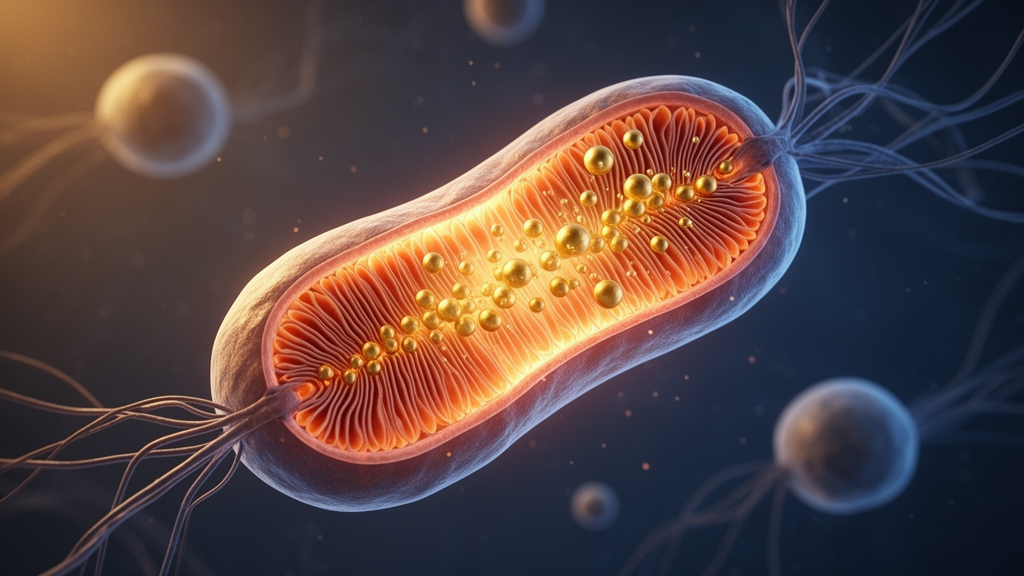
Image Credits: AI Generated
DOI: 10.3389/fonc.2026.1917001
Keywords: glioma, SLC25A28, mitoferrin-2, mitochondrial metabolism, oxidative phosphorylation, ferroptosis, tumor microenvironment, biomarkers, Prognostic, significance, associations, mitochondrial