
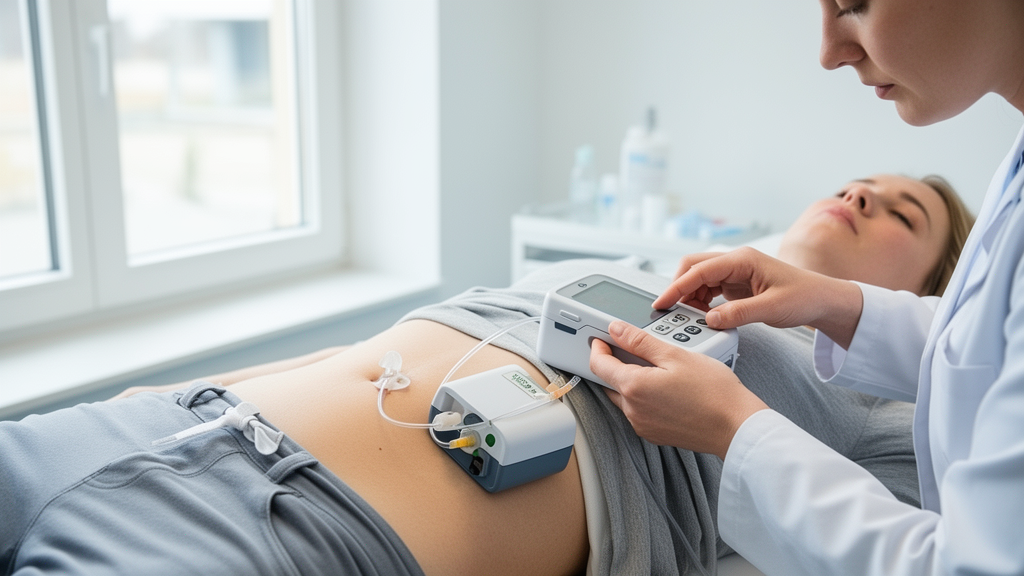
Two years after Germany approved continuous subcutaneous infusion of foslevodopa and foscarbidopa, known as LDp/CDp, practical insights from routine medical care are revealing how this device-aided approach performs outside controlled clinical trials. Parkinson’s disease represents the second most prevalent neurodegenerative disorder among elderly populations, with disease-associated disability, prevalence, and mortality having more than doubled across the preceding generation. While oral levodopa remains the foundational treatment for the condition, its clinical effectiveness frequently diminishes as progressive synaptic degeneration advances over time. This loss of therapeutic consistency leads to debilitating motor and non-motor response fluctuations marked by debilitating OFF periods when dopamine levels plunge and rigidity, bradykinesia, tremor, pain, anxiety, and cognitive shifts return. Clinical records indicate that approximately fifty percent of patients encounter these fluctuations within five years of diagnosis, expanding to nearly all patients after ten years of disease duration. When conventional optimization of oral dopaminergic medication fails to provide satisfactory symptom control, clinical guidelines advise transitioning individuals to device-aided therapies, which include deep brain stimulation, intestinal gel infusions, and continuous subcutaneous infusions to re-establish quality of life.
Approved in Germany in December 2023 as only the second nation globally following Japan, continuous subcutaneous LDp/CDp therapy delivers soluble prodrug formulations of levodopa and carbidopa continuously across twenty-four hours using an external portable pump. This regular subcutaneous administration helps sustain steady plasma levodopa concentrations, which appear to correlate directly with stable striatal dopamine levels, thereby damping the severity of daily motor fluctuations. Pivotal phase three trial investigations encompassing a twelve-week comparative period demonstrated that LDp/CDp produced statistically significant increases in daily ON time without troublesome dyskinesia alongside substantial reductions in daily OFF time relative to oral formulations. These therapeutic gains persisted across fifty-two weeks of continued administration, during which morning akinesia prevalence declined markedly from 77.7 percent at baseline down to 27.8 percent at week fifty-two, accompanied by measured enhancements in nocturnal sleep parameters and overall health-related quality of life metrics. Because Germany quickly became the country where the largest number of patients worldwide initiated this continuous subcutaneous therapy, its early nationwide medical adoption provides key empirical lessons regarding candidate selection, institutional titration, and everyday therapeutic sustainability.
Determining appropriate candidates for LDp/CDp in real-world clinical practice involves identifying advanced Parkinson’s disease patients who demonstrate persistent levodopa responsiveness but endure severe motor fluctuations or hyperkinesia despite intensive oral or transdermal treatment combinations. Outpatient clinicians frequently employ the practical five-two-one screening benchmark, which flags individuals taking five or more daily oral levodopa doses, experiencing at least two daily hours of OFF time, or exhibiting at least one daily hour of troublesome dyskinesia. Although device-aided therapies provide well-documented clinical benefits, real-world registry observations reveal that patients often postpone invasive interventions like intestinal pump placement or neurosurgical deep brain stimulation due to fear or an incomplete perception of personal disease severity. In contrast, the non-surgical profile of continuous subcutaneous LDp/CDp offers a comparatively accessible bridge that lowers procedural barriers for both clinicians and patients. An exploratory post-hoc subgroup analysis involving twenty-six younger patients aged sixty-five or younger within five years of motor fluctuation onset showed significant gains in motor control and sleep quality over oral regimens, though current clinical guidelines emphasize that broader validation in randomized trials remains necessary before routinely advancing the intervention into earlier disease stages.
Clinical experience indicates that ideal candidates for subcutaneous LDp/CDp typically require a moderate levodopa equivalent daily dose roughly comparable to one twenty-four-hour pump cartridge containing 2,400 milligrams of foslevodopa and 120 milligrams of foscarbidopa, while possessing preserved cognition or mild impairment and residing within a dependable caregiving environment. Subcutaneous administration can also prove advantageous for patients requiring high-frequency oral levodopa whose absorption is severely disrupted by meal timing and dietary protein intake, as well as individuals presenting with medication-refractory microscopic colitis. Conversely, clinicians consider LDp/CDp substantially less suitable for frail elderly patients experiencing pronounced cognitive decline or individuals lacking dedicated social support, as both factors substantially elevate the risk of therapeutic non-adherence and management complications. When balancing subcutaneous infusion against deep brain stimulation, patient preference frequently guides decisions, although clinical variables like severe medication-refractory tremor or hyperdopaminergic complications favor neurosurgical intervention, whereas milder cognitive alterations or older age generally steer teams toward continuous pump modalities.
The initiation of subcutaneous LDp/CDp therapy routinely occurs within inpatient hospital wards in Germany, frequently integrated inside multimodal complex neurological therapy programs, although structured day-clinic models comprising five comprehensive visits over three weeks have also established practical feasibility. Clinicians strongly discourage unmonitored outpatient initiation because optimal care requires specialized multidisciplinary titration and prompt evaluation of emergent adverse events. Treatment initiation is recommended to occur while the patient is maintained in an ON motor state, with patients continuing their established oral levodopa regimen until the continuous infusion begins. This transitional approach prevents abrupt symptom deterioration and early OFF episodes because continuous subcutaneous LDp/CDp requires between three and eight hours to achieve steady-state plasma concentrations depending on the selected hourly delivery rate. Initial base infusion rates are calculated through standardized conversion algorithms derived from daytime levodopa and catechol O-methyltransferase inhibitor dosing across a sixteen-hour period, with initial titration adjustments proceeding gradually in small increments of 0.01 to 0.03 milliliters per hour over the first one to two weeks.
Titration data demonstrate that final established infusion rates routinely surpass initial mathematical conversion estimates by roughly twenty percent, underscoring the clinical necessity of personalized dose adjustment over rigid adherence to theoretical formulas. In an open-label fifty-two-week study, sixty-three percent of completing patients required upward dose escalation beyond initial conversion estimates to achieve optimal therapeutic symptom stabilization. Due to natural circadian variations in dopaminergic demand, nocturnal delivery rates are generally adjusted downward to between forty and sixty percent of the daytime infusion rate or lowered to the system’s minimal programmable floor of 0.15 milliliters per hour. While certain patients tolerate higher nocturnal rates around eighty percent of daytime delivery, excessive nocturnal dopaminergic stimulation can trigger distressing neuropsychiatric side effects, including visual hallucinations. Pausing the pump entirely during the night remains technically feasible but introduces distinct practical drawbacks, as morning re-initiation demands discarding the medication vial and infusion set, installing a fresh cannula, and delivering a loading bolus to overcome overnight dopaminergic deficits.
Although early registration trials evaluated subcutaneous LDp/CDp as an exclusive monotherapy, real-world clinical experience and extended trial analyses indicate that rapid monotherapy should not represent the primary therapeutic goal. While post-hoc data across ninety-six weeks show that sustained monotherapy is achievable in a subset of patients with substantial reductions in OFF time, observational evidence reveals that aggressively enforcing monotherapy correlates with higher rates of treatment discontinuation. Consequently, experienced clinicians recommend cautiously maintaining concomitant antiparkinsonian medications, including catechol O-methyltransferase inhibitors like opicapone, monoamine oxidase-B inhibitors, or low-dose dopamine agonists, during the early initiation phase. Retaining concomitant agents allows medical teams to reduce the total hourly LDp/CDp volume, which prevents the need for disruptive daytime cartridge changes when daily volume would otherwise exceed single-cartridge capacity. Furthermore, keeping infusion rates lower helps mitigate localized subcutaneous fluid accumulation and tissue swelling while shielding patients from dopamine agonist withdrawal syndromes during therapy initiation.
Infusion site dermatological reactions and neuropsychiatric manifestations represent the two most common and clinically relevant adverse events encountered during routine LDp/CDp maintenance. Cutaneous reactions occur across 12-week, 52-week, and 96-week clinical assessments as well as everyday care, presenting predominantly as localized, aseptic inflammatory responses within the subcutaneous tissue rather than true bacterial infections. Because these reactions are aseptic, systemic antibiotic treatments are generally unwarranted unless patients present with systemic inflammatory markers such as elevated C-reactive protein, leukocytosis, or fever. Practical management relies on rigorous skin hygiene, reducing subcutaneous cannula dwell time to one or two days, rotating insertion sites, and applying topical corticosteroids such as mometasone 0.1 percent either preventively or upon initial tissue erythema. Post-marketing observations indicate that cutaneous reaction rates tend to diminish over time as patients refine handling hygiene, while surgical interventions to drain local collections remain exceptionally rare.
In contrast to dermatological issues, neuropsychiatric complications demand meticulous clinical surveillance, particularly given that real-world clinical cohorts display higher vulnerability than selected clinical trial populations. Although continuous subcutaneous administration maintains stable systemic drug levels without large concentration spikes, clinical studies demonstrate a higher incidence of hallucinations with LDp/CDp compared to oral therapies, ranging up to 18.5 percent versus 2.2 percent. In real-world cohorts, cognitive or neuropsychiatric worsening has been observed in up to forty-seven percent of patients, though symptoms typically remain mild when managed proactively with clozapine or quetiapine. Advanced chronological age, pre-existing cognitive impairment, and a clinical history of visual hallucinations represent significant predictive risk factors. Furthermore, international findings from Japan highlight that individuals exhibiting pre-existing impulse control disorders face heightened risks of developing atypical psychosis characterized by auditory or somatic hallucinations and manic-like delusions, necessitating structured risk-benefit evaluations, nocturnal dose reductions, and judicious tapering of concomitant oral dopamine agonists.
Real-world registry data indicate that early treatment discontinuation rates for subcutaneous LDp/CDp in Germany currently hover around thirty-five percent, closely paralleling Japanese observational studies showing forty percent discontinuation within initial treatment months. These discontinuation rates exceed those documented for intestinal levodopa infusions or deep brain stimulation, a disparity attributed partly to the non-invasive nature of subcutaneous therapy, which lowers the threshold for initiation but also permits easier premature withdrawal when patients feel subjectively burdened by the equipment. Apparent lack of therapeutic efficacy rarely stems from true pharmacological failure; instead, it typically reflects initial underdosing, delayed absorption from subcutaneous depot formation, or the absence of the rapid subjective onset kick characteristic of oral levodopa tablets. Long-term therapeutic retention improves significantly when patients receive structured device education, caregiver support, and realistic expectations regarding gradual dose titration, while technical transitions from existing continuous apomorphine or intestinal gel therapies remain clinically feasible under careful institutional supervision.
Subject of Research: Real-world clinical experience and management strategies for continuous subcutaneous foslevodopa/foscarbidopa in advanced Parkinson’s disease
Article Title: Real-world experience with foslevodopa/foscarbidopa in Germany: therapeutic insights and lessons learned
Article References: Weise, D., Warnecke, T., Buhmann, C., Ebersbach, G., Eggers, C., Falkenburger, B., Höglinger, G., Mollenhauer, B., Pedrosa, D., Südmeyer, M., Weiss, D., Kassubek, J., & Jost, W. H. (2026). Real-world experience with foslevodopa/foscarbidopa in Germany: therapeutic insights and lessons learned. Neurological Research and Practice, 8(1), Article 72. https://doi.org/10.1186/s42466-026-00530-3
Image Credits: AI Generated
DOI: 10.1186/s42466-026-00530-3
Keywords: Parkinson’s disease, foslevodopa/foscarbidopa, continuous subcutaneous infusion, device-aided therapies, motor fluctuations, levodopa equivalent daily dose, infusion site reactions, hallucinations, atypical psychosis, inpatient initiation, day-clinic titration, dopaminergic therapy, treatment discontinuation, apomorphine infusion, deep brain stimulation, impulse control disorders, subcutaneous pump therapy

